

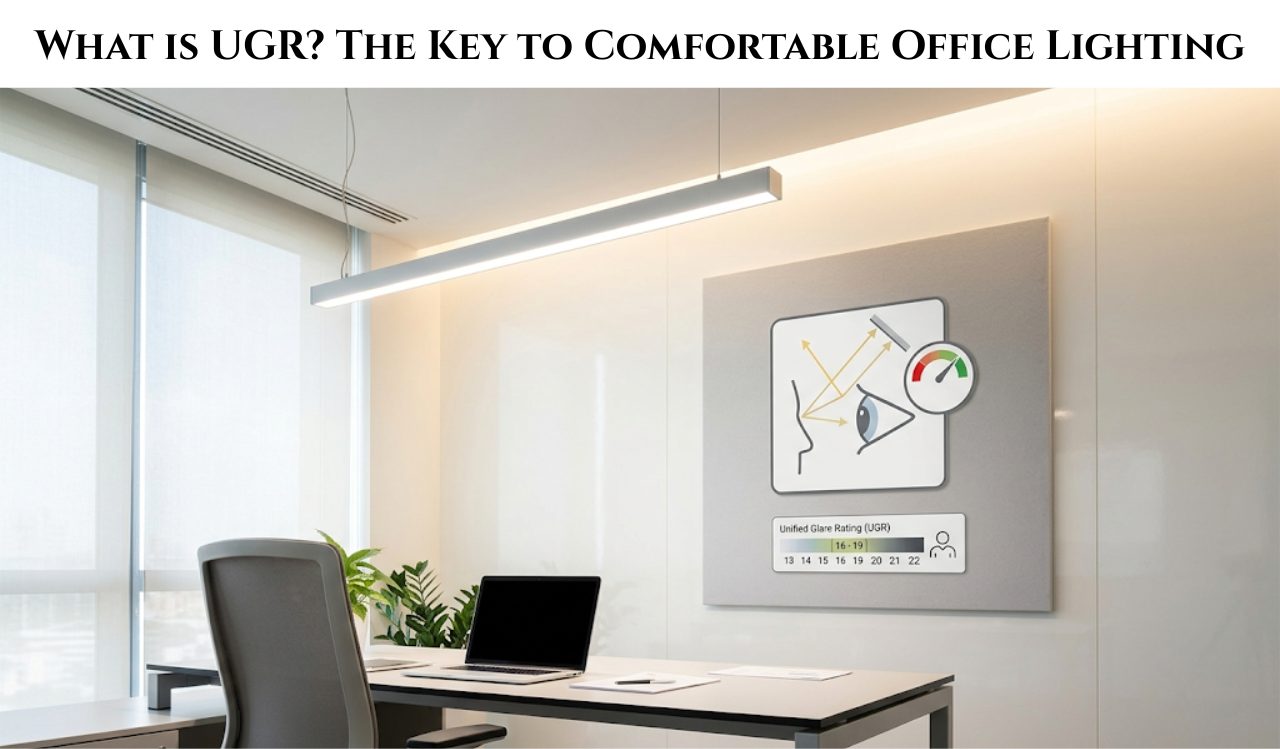
If you have ever sat under a bright office light and felt your eyes strain after a few hours, you have felt the effect of poor glare control. This is where UGR (Unified Glare Rating) comes in. UGR is one of the most searched terms in commercial lighting design today, and for good reason. It decides whether a workspace feels comfortable or causes eye fatigue, headaches, and low productivity.
What is UGR in Simple Words?
UGR stands for Unified Glare Rating. It is a number that measures how much glare a light fixture produces in a space. Glare is the harsh, uncomfortable brightness that comes from a light source directly into a person's eyes.
The UGR scale usually runs from 10 to 30:
- Lower UGR number = Less glare = More comfort
- Higher UGR number = More glare = More eye strain
So when someone asks "what is a good UGR rating for office lighting," the simple answer is: the lower, the better.
Why UGR Matters for Office Lighting
Offices are spaces where people spend 8 or more hours a day looking at screens, papers, and each other. If the lighting has high glare, it leads to:
- Eye strain and fatigue
- Reduced focus and productivity
- Headaches after long working hours
- Discomfort during video calls and screen work
This is why UGR compliant lighting has become a standard requirement in modern office design, especially in spaces with computer monitors.
UGR 19: The Global Standard for Offices
If you search "UGR 19 meaning," you will find that it is the maximum glare rating recommended by international lighting standards like EN 12464-1 for office environments with computer screens. This standard is followed by architects and constructors across the world to design eye-friendly workspaces.
Choosing UGR less than 19 LED panels or fixtures ensures:
- Comfortable working conditions
- Better compliance with building codes
- Higher client satisfaction in commercial projects
How is UGR Calculated?
UGR calculation is based on several factors:
- Luminance of the light source – how bright the fixture appears
- Background luminance – brightness of the surrounding area
- Size and position of the light fitting
- Angle between the light and the viewer's eyes
While the actual formula is complex and handled by lighting design software, the outcome is simple: fixtures with proper diffusers and louvers get a lower UGR score, meaning better visual comfort.
UGR vs Glare Index vs Lux: What is the Difference?
Many people confuse UGR with other lighting terms. Here is a quick and simple comparison:
- Lux measures how much light falls on a surface (brightness level)
- UGR measures how uncomfortable that light feels to the human eye
- Glare Index is an older method, mostly replaced today by UGR
A space can have perfect lux levels but still feel uncomfortable if the UGR rating is high. This is why both factors must be considered together during lighting design.
Why Architects and Constructors Should Care About UGR
For architects, UGR is not just a technical number. It directly affects:
- Building certification and green building ratings
- Employee wellbeing in commercial interiors
- Client satisfaction after project handover
For constructors and contractors, choosing the right UGR rated fixtures during the procurement stage avoids costly replacements later. It is far easier to install UGR less than 19 lighting during construction than to retrofit it after complaints from occupants.
UGR for Residential and Commercial Spaces
While UGR is mostly discussed for offices, it applies to homes too.
For residential spaces:
- Living rooms and study areas benefit from UGR 19 or lower fixtures
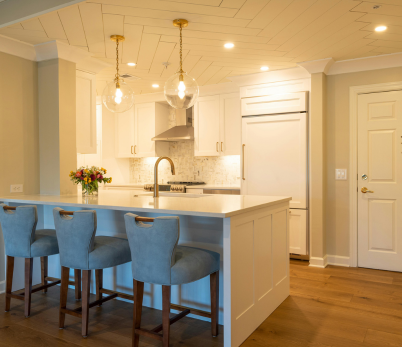
- Kitchen task lighting should avoid high glare fittings above cooking counters
For commercial spaces:
- Retail stores can use slightly higher UGR since focus is on product display
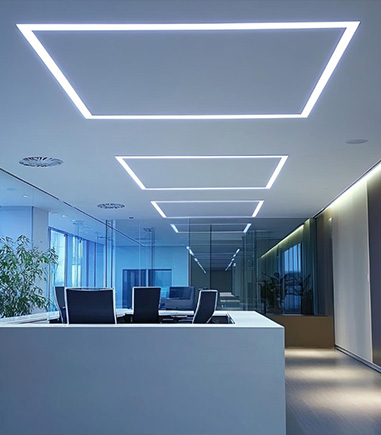
- Offices and control rooms need strict UGR 19 or below
- Conference rooms with video calls need low glare for screen comfort
How to Choose Low UGR Lighting Fixtures
Here are simple tips for selecting the right fixtures:
- Always check the UGR value on the product datasheet before buying
- Prefer LED panel lights with UGR less than 19 for office ceilings
- Use fixtures with diffusers, louvers, or micro-prism lenses to reduce direct glare
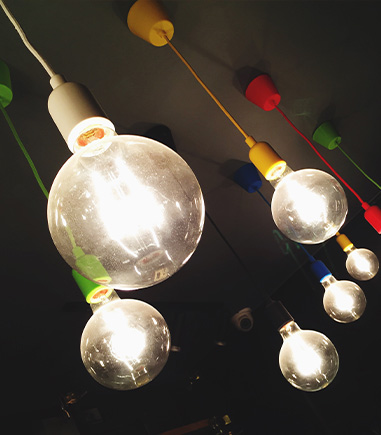
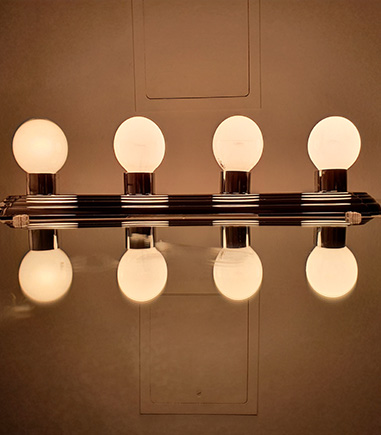
- Avoid bare bulb or exposed LED strip designs in work areas
- Position lights away from direct line of sight to computer screens
Common Questions About UGR
Is lower UGR always better? Yes, for spaces where people work on screens or need focus, lower UGR gives better comfort.
What UGR is best for a computer screen area? UGR 19 or below is the recommended standard for screen-based work.
Does UGR affect energy efficiency? No, UGR is about visual comfort, not energy consumption. A fixture can be both energy efficient and low glare.
Final Thoughts
UGR, or Unified Glare Rating, is a simple but powerful number that decides how comfortable a lighting design feels to the human eye. For architects, constructors, and anyone designing residential or commercial spaces, understanding UGR is now a must, not an option.
Choosing fixtures with UGR less than 19 ensures happier employees, better building compliance, and long term client satisfaction. The next time you plan a lighting layout, do not just check the brightness. Check the glare too.