



How 3D Lighting Simulation Saves Time and Money Before Installation
Good lighting can make or break a building. It affects how a space feels, how safe it is, and how much energy it uses every month. In the past, lighting decisions were often made using guesswork or basic 2D drawings. Today, 3D lighting simulation gives architects, builders, and contractors a much smarter way to plan lighting before a single fixture is installed.
In this blog, we will look at what 3D lighting simulation is, why it matters, and how it helps save both time and money on residential and commercial projects.
What is 3D Lighting Simulation?
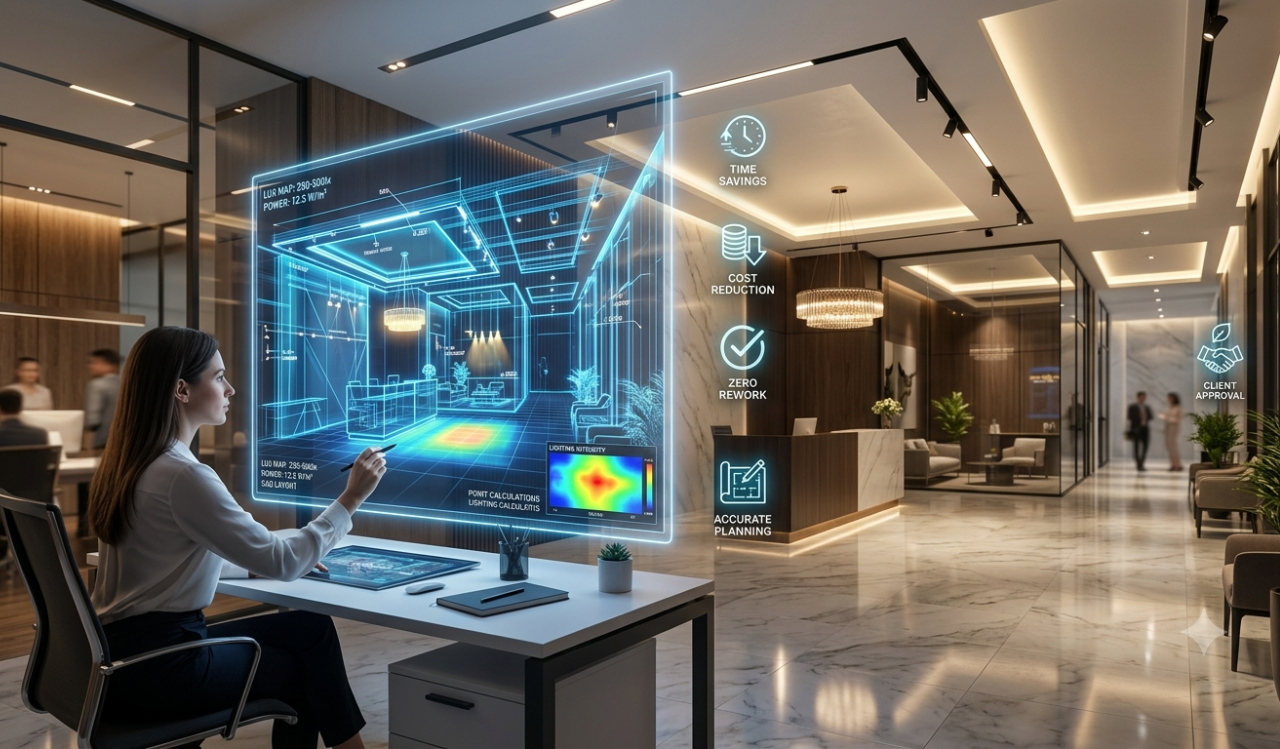
3D lighting simulation is a digital process that shows how light will behave inside and outside a building before construction begins. Using special software, designers create a virtual model of the space and add light sources, materials, windows, and furniture. The software then calculates how light spreads through the space at different times of day.
This gives a realistic preview of brightness, shadows, glare, and overall mood, all before any physical work starts.
Why It Matters for Architects and Builders
Lighting is not just about turning on a bulb. It affects comfort, safety, productivity, and energy costs. For architects and builders, getting it right the first time is important because changes made after installation are expensive and time-consuming.
Here are the main reasons this technology matters for the construction industry.
1. Avoids Costly Mistakes
Without simulation, teams often rely on standard placement rules or past experience. This can lead to poorly lit corners, harsh glare near windows, or wasted fixtures in areas that do not need them. Fixing these issues after installation means extra labor, extra materials, and delays. With simulation, these problems are caught early on a screen, not on the job site.
2. Saves Money on Materials and Labor
Every fixture, cable, and control system has a cost. 3D lighting simulation helps teams calculate exactly how many fixtures are needed and where they should go. This reduces over-ordering of materials and prevents rework, which directly lowers project costs.
3. Improves Energy Efficiency
Simulation tools can estimate energy use based on fixture type, placement, and daylight availability. This helps teams choose energy-efficient solutions from the start, which is especially useful for residential projects where homeowners care about long-term utility bills.
4. Better Communication with Clients
Homeowners and clients often struggle to picture how a space will look based on drawings alone. A 3D lighting simulation gives them a clear, realistic image of the finished space. This builds trust, reduces back-and-forth revisions, and speeds up approval timelines.
5. Supports Better Design Decisions
Architects can test different lighting layouts, fixture types, and color temperatures in the virtual model. This makes it easy to compare options and choose the one that best fits the function and mood of each room, whether it is a living room, kitchen, office, or outdoor area.
Real Benefits for Residential Projects
For residential builders and contractors, lighting has a direct impact on how a home feels day to day. Simulation helps with:
- Planning natural light and artificial light together
- Reducing glare in living spaces and bedrooms
- Highlighting architectural features like ceilings, walls, or staircases
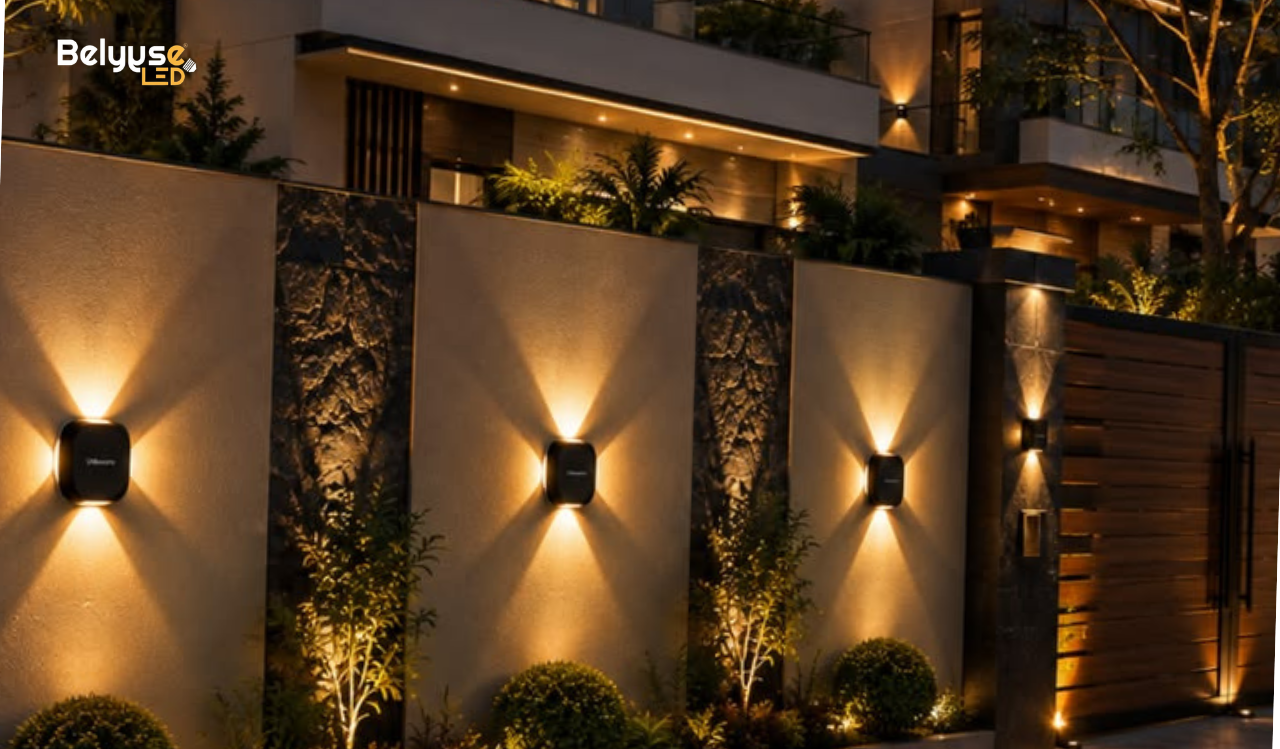
- Making outdoor and landscape lighting safer and more attractive
These small details often make the biggest difference in how satisfied a homeowner feels with their finished space.
Why This Technology Is Worth Adopting
Construction projects run on tight schedules and tight budgets. Any tool that reduces rework and last-minute changes is valuable. 3D lighting simulation gives architects, builders, and contractors the confidence to move forward with a design, knowing it has already been tested virtually.
Instead of finding out problems after installation, teams can solve them on screen, saving both time and money.
Final Thoughts
3D lighting simulation is changing the way lighting is planned in construction and residential projects. It reduces guesswork, avoids costly mistakes, improves energy efficiency, and helps clients feel confident about their design before construction begins.
For architects, builders, and contractors looking to deliver better results with fewer surprises, 3D lighting simulation is a smart step toward smarter, more efficient projects.