

Layered Lighting: The Secret Behind Premium Interiors
Good lighting can make a small room feel big. Bad lighting can make a big room feel flat. This is why top designers never use just one light source. They use layered lighting design to create warmth, depth, and mood in every room.
In this guide, you will learn what layered lighting means, why it matters, and how to use it in your own home.
What Is Layered Lighting?
Layered lighting means using more than one type of light in a room. Each layer does a different job. Together, they create a space that feels rich and complete.
There are three main layers:
- Ambient lighting – the main light that fills the whole room
- Task lighting – bright, focused light for specific work
- Accent lighting – light that highlights art, walls, or special features
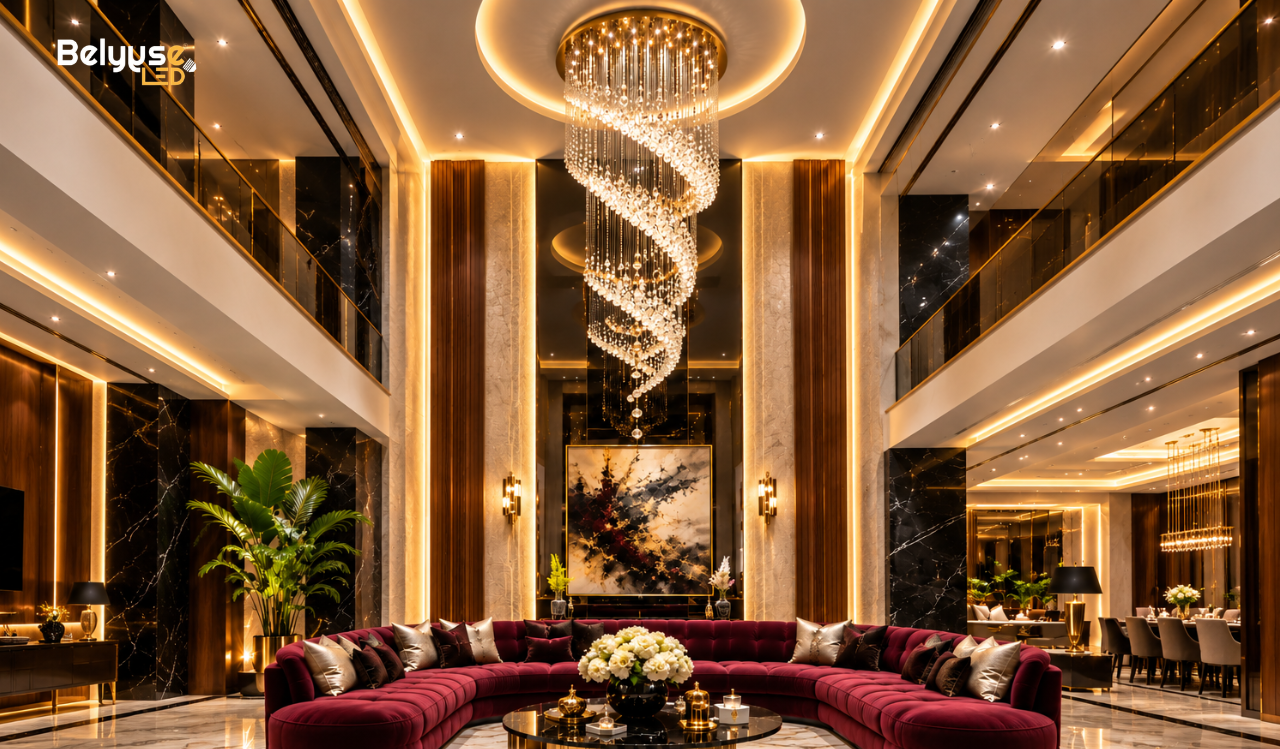
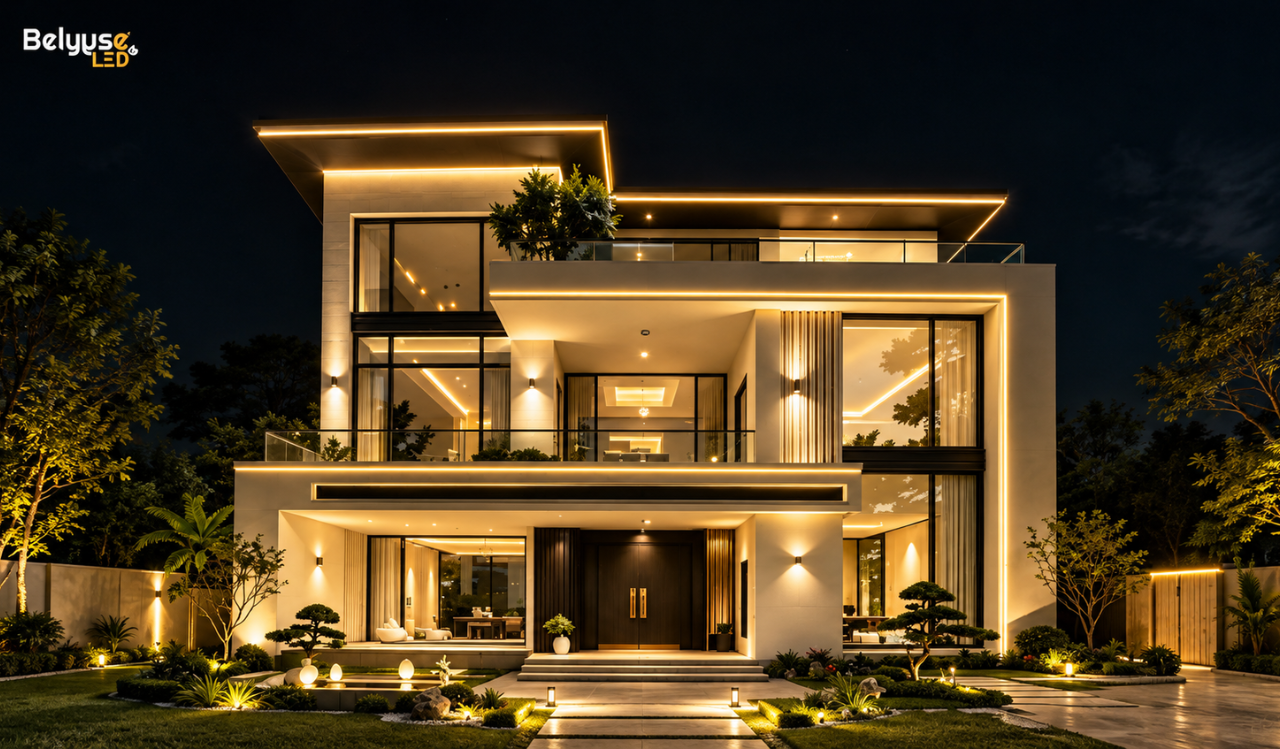
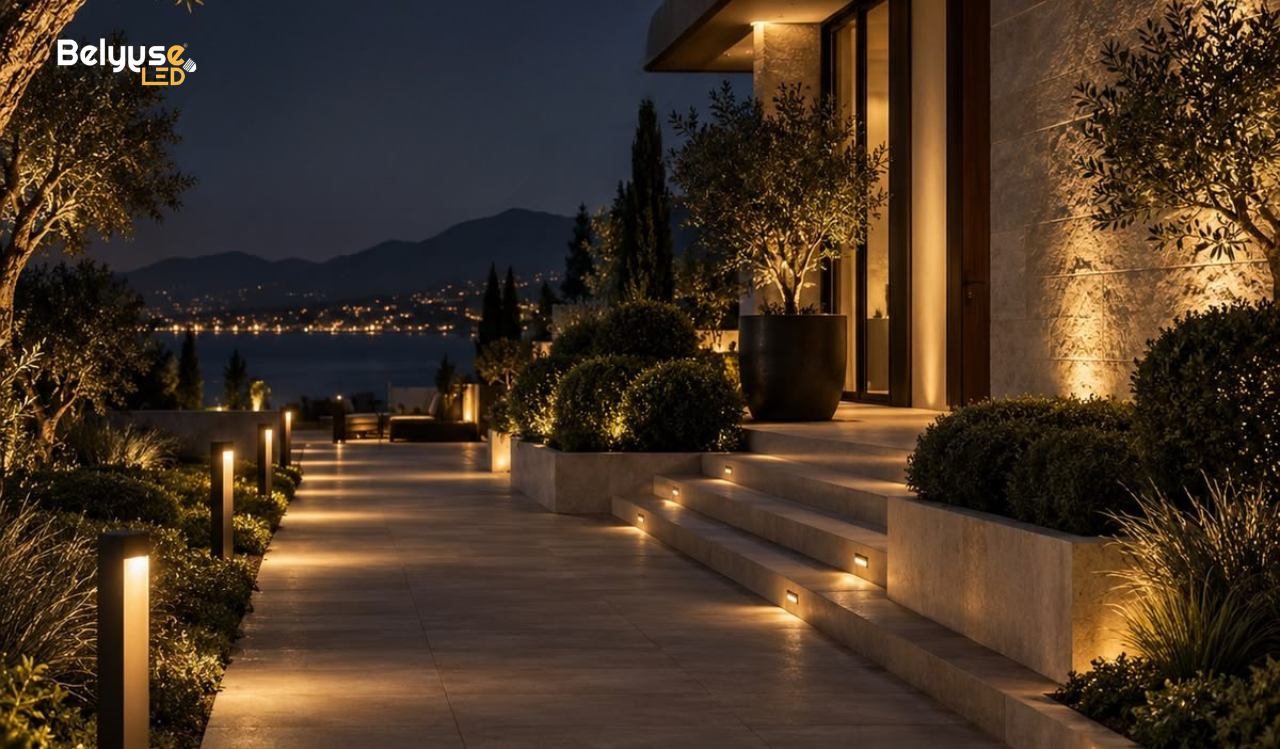
When you mix these three layers well, you get a room that looks warm, balanced, and expensive, even on a normal budget.
Why Layered Lighting Matters in Interior Design
Many homes use only one ceiling light. This is called flat lighting. It makes rooms feel dull and harsh. Shadows fall in the wrong places. The room has no mood or character.
Layered lighting fixes this problem. It adds depth to walls and furniture. It removes hard shadows. It lets you change the mood of a room in seconds, from bright and active to soft and relaxing.
This is why interior designers call layered lighting a must-have home lighting idea for any modern house.
The Three Layers Explained
1. Ambient Lighting (Base Layer)
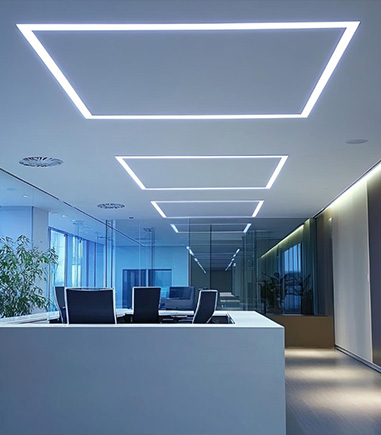
This is the general light in a room. It comes from ceiling fixtures, recessed lights, or chandeliers. Its job is to give enough light to move around safely.
Tips for ambient lighting:
- Use dimmers to control brightness
- Avoid one single bright bulb in the center of the ceiling
2. Task Lighting (Function Layer)
Task lighting helps you do specific activities like reading, cooking, or working. It should be bright and placed close to the task area.
Common examples:
- Desk lamps for study or office work
- Under-cabinet lights in the kitchen
- Reading lamps beside the bed or sofa
3. Accent Lighting (Style Layer)
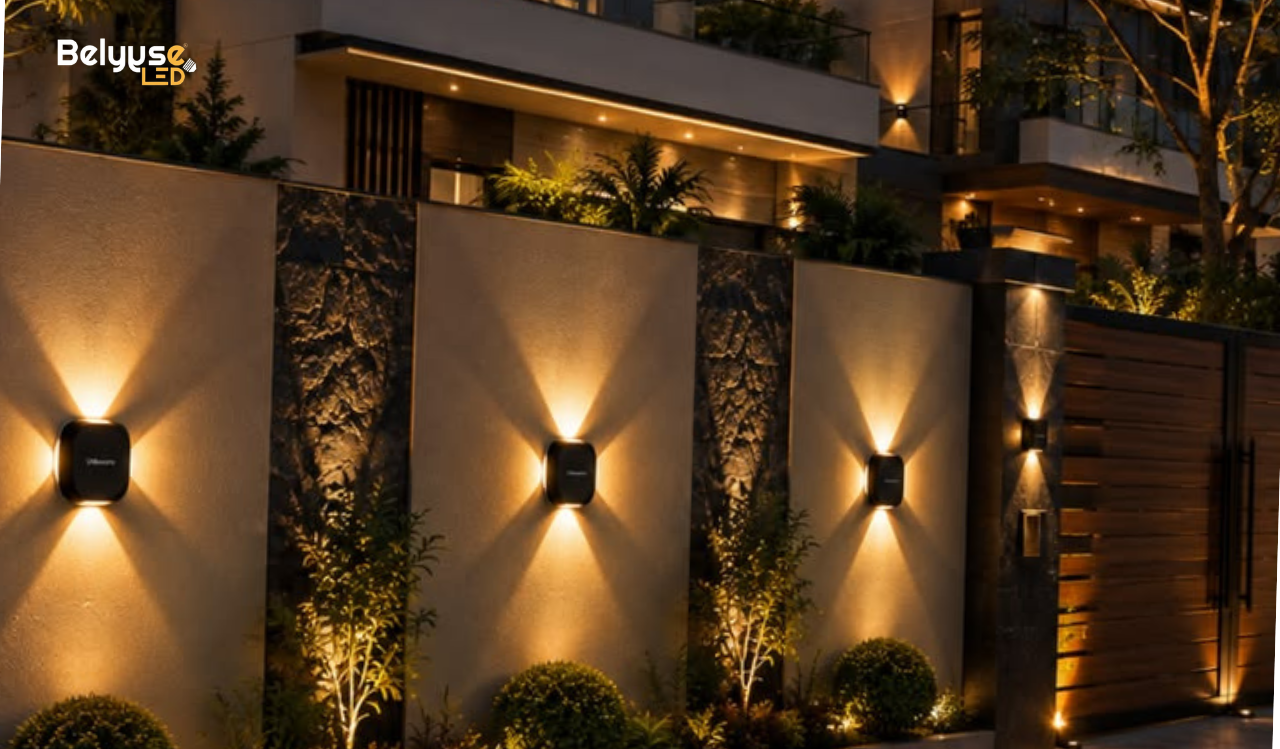
Accent lighting adds drama and style. It draws the eye to a feature you want to show off, like a painting, a bookshelf, or a textured wall.
Popular accent lighting ideas:
- Wall sconces
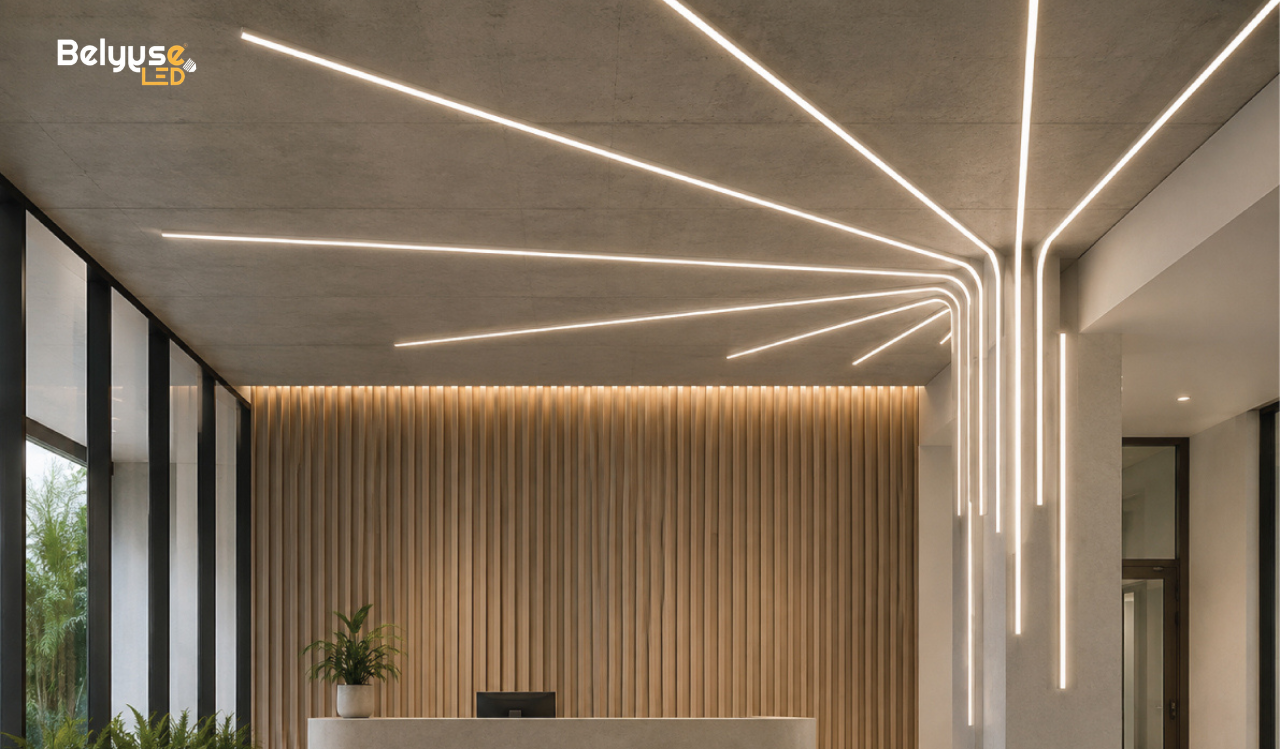
- LED strip lights behind a TV or shelf
- Small spotlights on art or plants
How to Layer Lighting in Each Room
Living Room
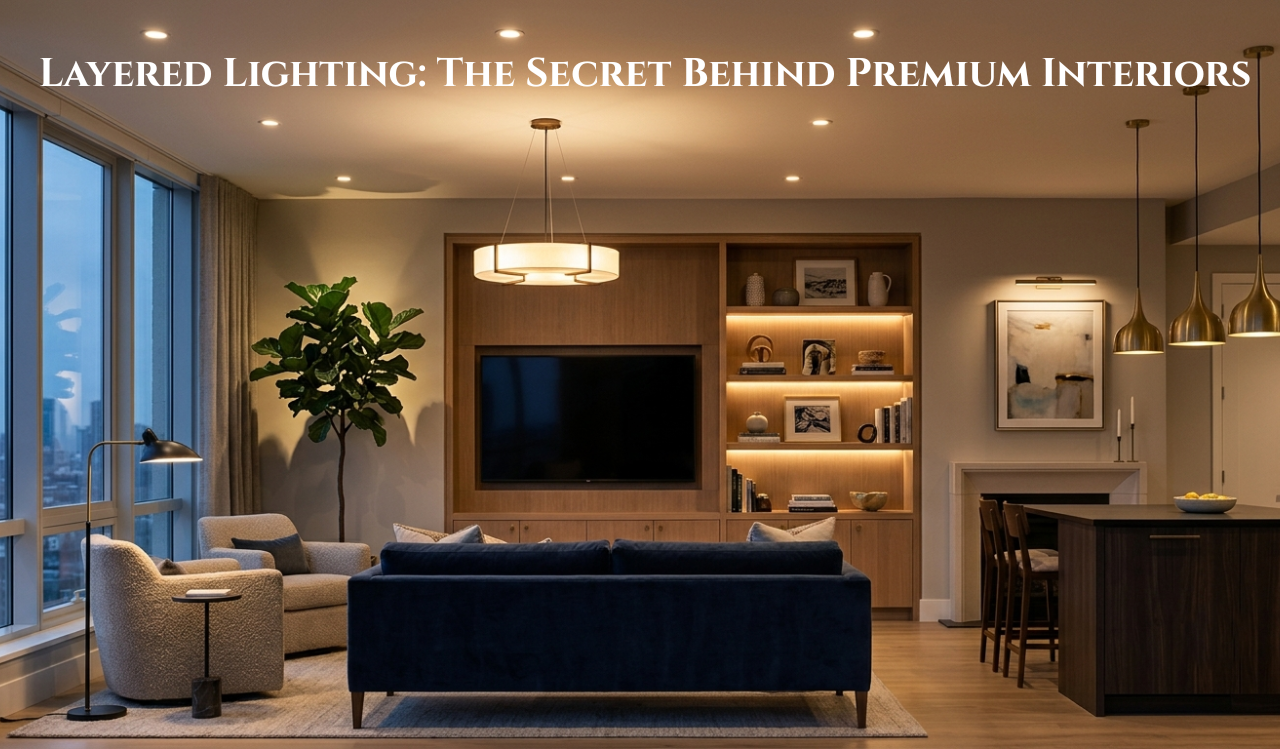
Add a ceiling light for ambient glow, a floor lamp near the reading chair for task light, and LED strips behind the TV unit for accent light.
Bedroom
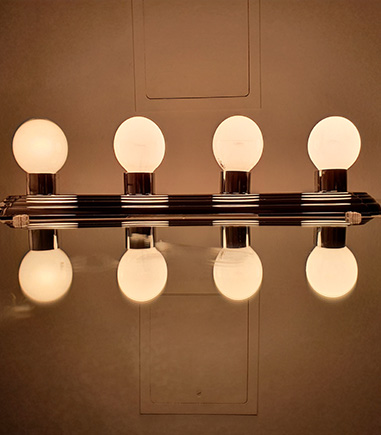
Use a soft ceiling light, bedside lamps for reading, and small accent lights near a mirror or artwork.
Kitchen
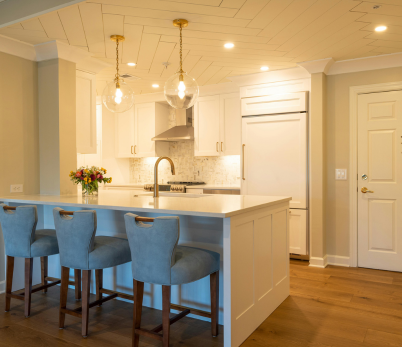
Combine overhead lights, under-cabinet task lights for cooking, and pendant lights over the island as a style statement.
Home Office
Pair a ceiling light with a bright desk lamp and a small accent light on a bookshelf or plant corner.
Simple Layered Lighting Tips for Beginners
- Never rely on one light source in any room
- Mix warm and neutral tones, not cold white everywhere
- Use dimmer switches to control mood at any time of day
- Place lights at different heights, not just on the ceiling
- Let each layer turn on and off on its own switch
Common Mistakes to Avoid
- Using only bright white lights everywhere
- Placing all lights on the ceiling
- Forgetting task lighting in work areas
- Ignoring shadows created by furniture
- Using the same light plan in every room
Final Thoughts
Layered lighting is one of the easiest ways to turn a normal home into a premium space. You do not need a big budget. You need a smart plan with ambient, task, and accent lights working together.
Start small. Add one lamp, one accent light, or one dimmer switch. Over time, your home will feel warmer, richer, and more designed, just like the interiors you see in magazines.