


Choosing the right light color is one of the most important decisions in any building project. It affects how a space looks, how people feel in it, and how well the design works overall. For architects, contractors, builders, and homeowners, understanding color temperature is just as important as choosing paint colors or flooring materials.
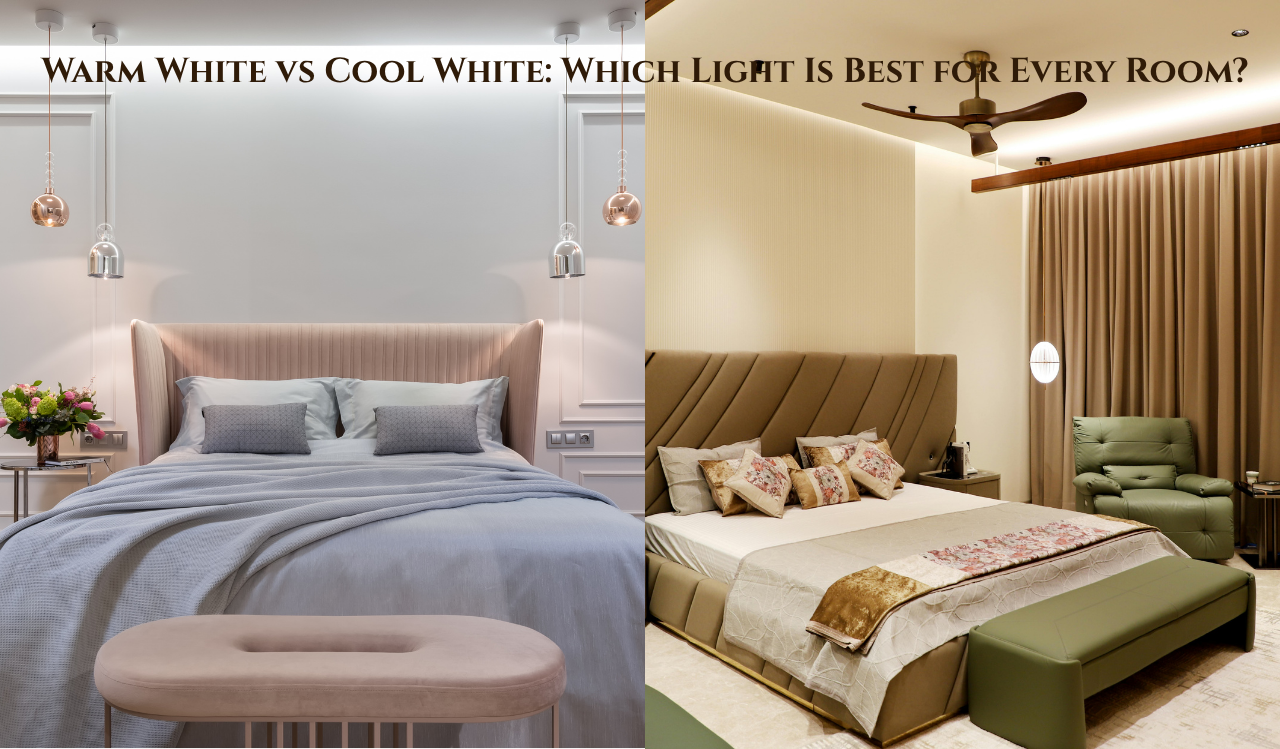
In this guide, we break down warm white and cool white lighting in simple words, so you can pick the right option for every room. Warm White vs Cool White: Which Light Is Best for Every Room?
What Is Color Temperature in Lighting?
Light color is measured in Kelvin (K). This number tells you how warm or cool a light bulb looks.
- Lower Kelvin (2700K–3000K) = Warm white light (yellowish, soft glow)
- Mid Kelvin (3500K–4500K) = Neutral white light (balanced, natural)
- Higher Kelvin (5000K–6500K) = Cool white light (bluish, bright, crisp)
This simple scale is the foundation of every good lighting design plan, whether it's for a home, office, or commercial building.
Warm White Light: Features and Benefits
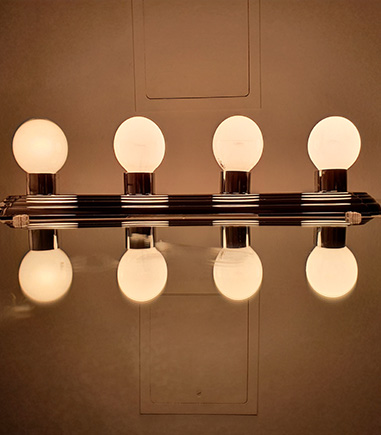
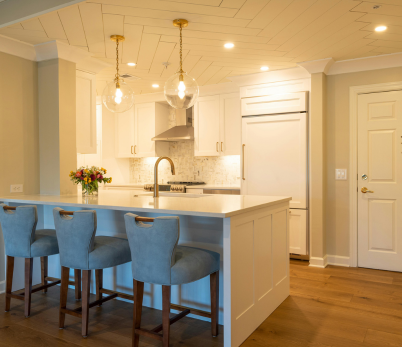
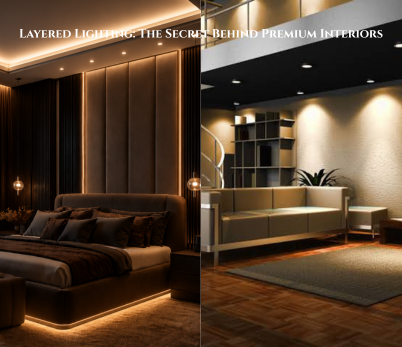
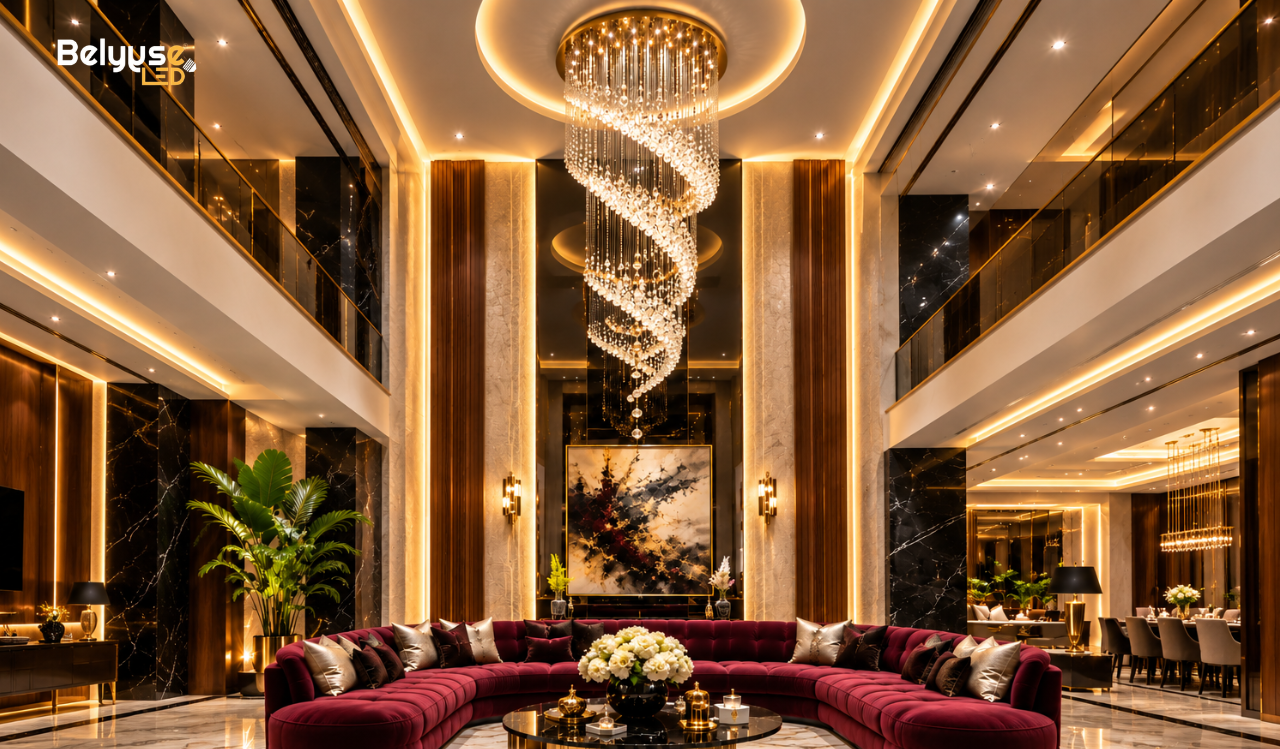
Warm white light gives a cozy, relaxing feel. It is close to the light produced by traditional incandescent bulbs.
Best features of warm white lighting:
- Creates a calm and welcoming atmosphere
- Reduces eye strain in the evening
- Works well with wood, beige, and earthy interior tones
- Ideal for spaces where people relax and unwind
Where to use warm white light:
- Living rooms
- Bedrooms
- Dining areas
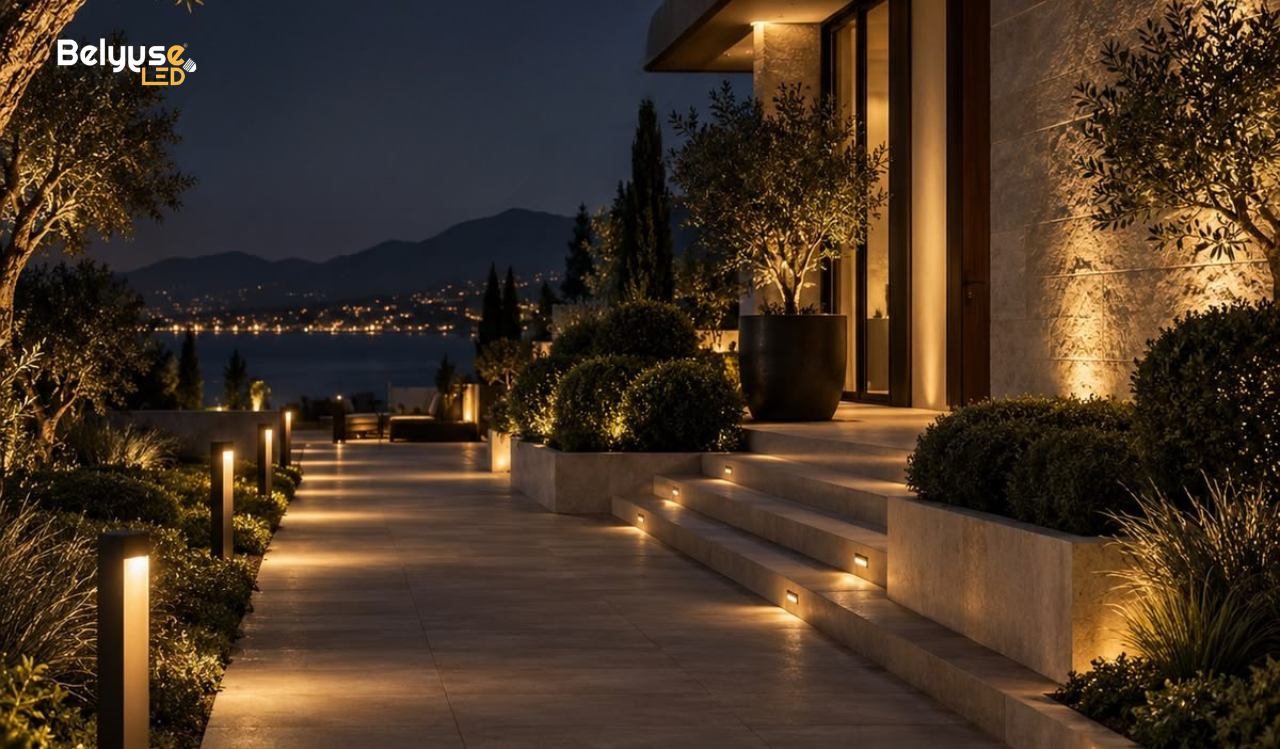
- Hotel lobbies
- Restaurants and cafes
Cool White Light: Features and Benefits
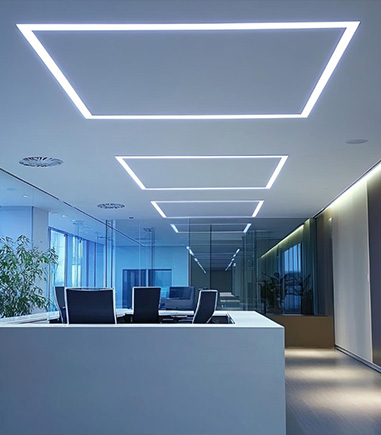
Cool white light is bright, sharp, and energizing. It resembles daylight and helps people stay alert and focused.
Best features of cool white lighting:
- Improves visibility and focus
- Makes colors appear true and accurate
- Works well in areas that need task lighting
- Common in modern, minimalist interior designs
Where to use cool white light:
- Kitchens
- Bathrooms
- Home offices and study rooms
- Garages and workshops
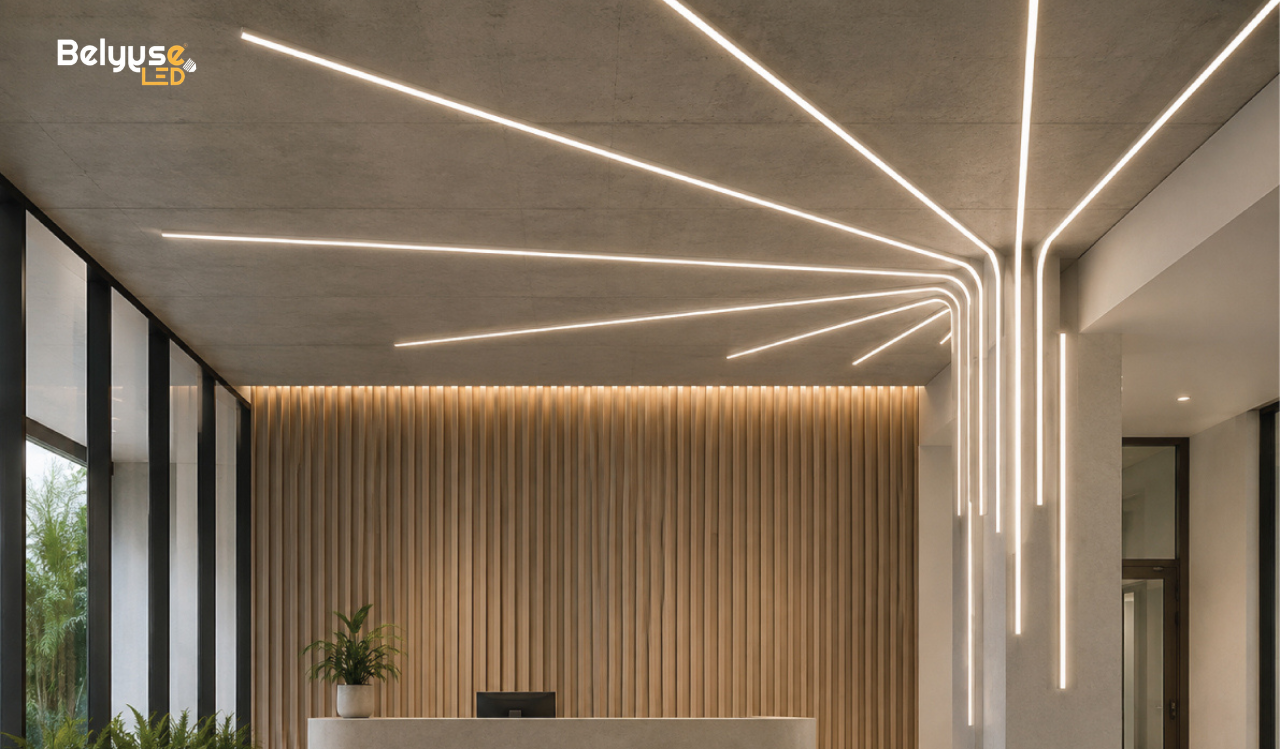
- Commercial spaces and retail stores
Warm White vs Cool White: Room-by-Room Guide
Here is a simple room-wise breakdown that architects, contractors, and builders can use during project planning.
| Room | Recommended Light | Kelvin Range |
|---|---|---|
| Living Room | Warm White | 2700K–3000K |
| Bedroom | Warm White | 2700K–3000K |
| Kitchen | Cool White or Neutral | 4000K–5000K |
| Bathroom | Cool White | 4000K–5000K |
| Home Office | Cool White | 4000K–5000K |
| Dining Room | Warm White | 2700K–3000K |
| Garage/Workshop | Cool White | 5000K–6500K |
| Hallway/Entryway | Neutral White | 3500K–4000K |
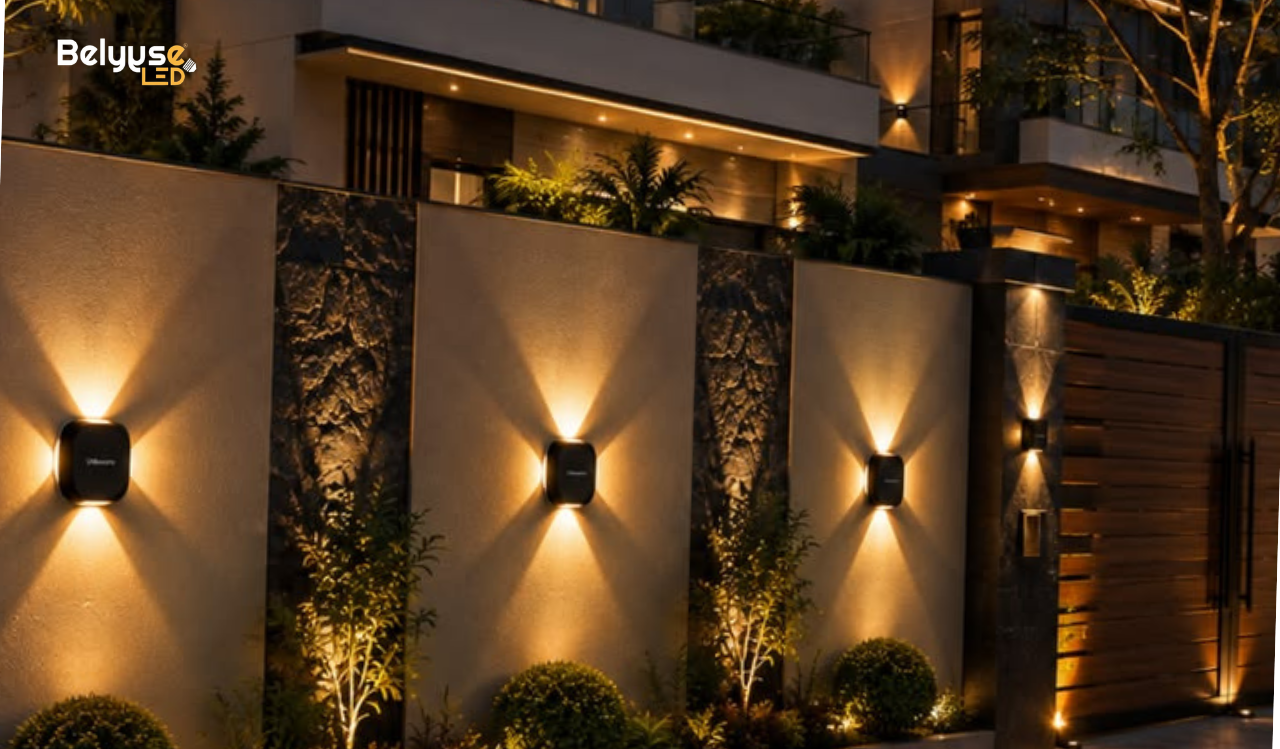
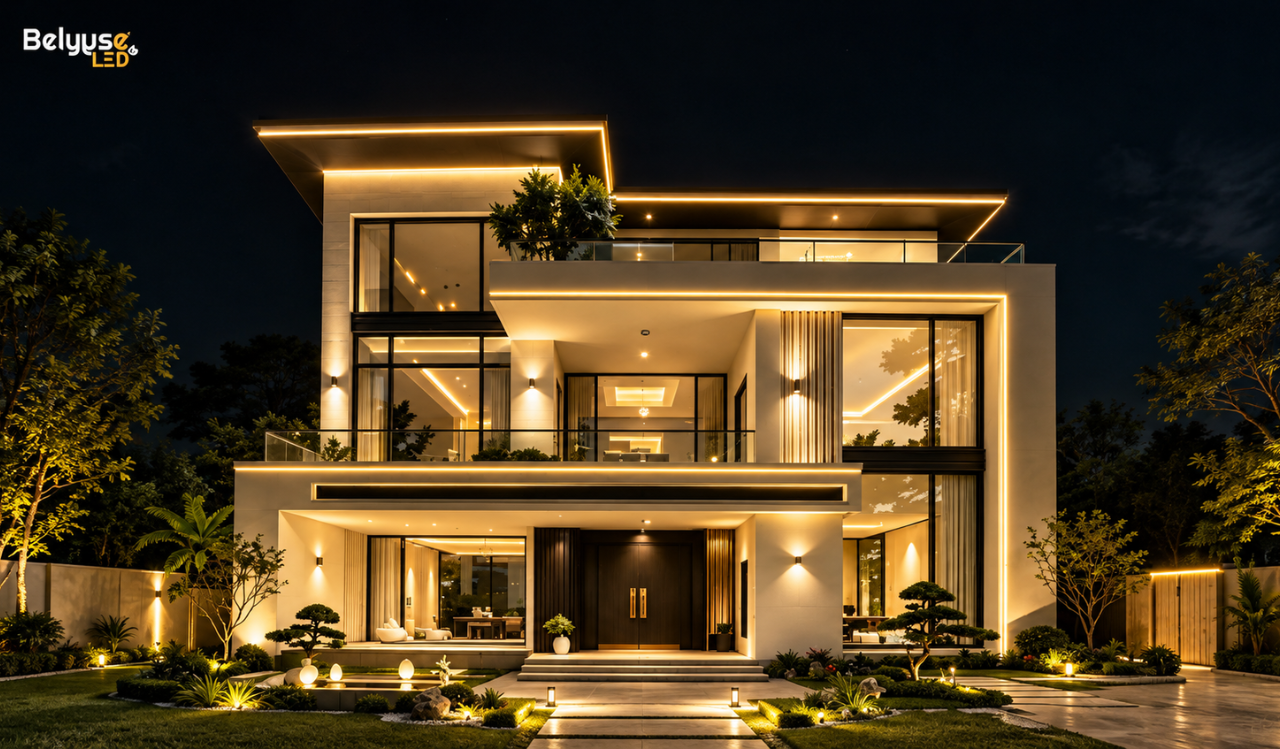
| Outdoor Areas | Cool White | 4000K–5000K |
Why This Matters for Architects, Builders, and Contractors
Lighting is not just a finishing touch. Choosing the correct color temperature at the planning stage helps avoid costly changes later and improves the final look and function of the property.
Key points to remember during project planning:
- Match the lighting plan with the purpose of each room
- Combine warm and cool white lighting for a balanced home design
- Check the CRI (Color Rendering Index) of LED lights — a CRI above 80 is recommended for residential and commercial projects
- Use layered lighting (ambient, task, and accent lighting) instead of a single light source
- Consider energy-efficient LED lighting for long-term cost savings
Warm White vs Cool White: Quick Comparison
| Factor | Warm White | Cool White |
|---|---|---|
| Mood | Cozy, relaxing | Bright, energetic |
| Best Use | Relaxing spaces | Task-focused spaces |
| Kelvin Range | 2700K–3000K | 5000K–6500K |
| Color Appearance | Yellowish | Bluish-white |
| Ideal For | Homes, hotels, restaurants | Offices, kitchens, garages |
Final Thoughts
There is no single "best" light color for an entire building. The right choice depends on the room, its purpose, and the mood the space needs to create. A good rule to follow: use warm white light for comfort and cool white light for focus.
For architects, contractors, and builders, planning lighting temperature early in the design process leads to better results, happier clients, and homes that feel as good as they look.