

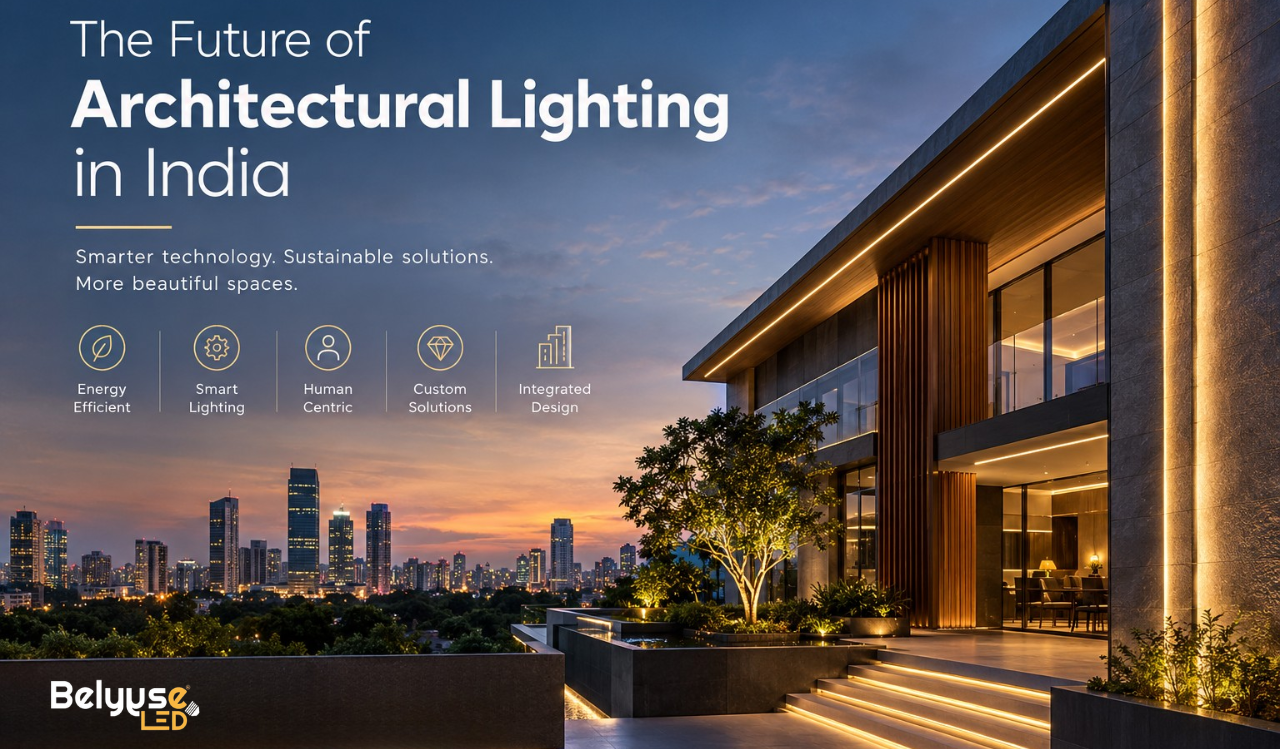
The Future of Architectural Lighting in India: Trends Shaping the Next Generation of Spaces
Architectural lighting in India is entering a new era. Lighting is no longer treated as simply a way to illuminate a room - it has become an essential part of architecture, interior design, energy efficiency, building technology, and user experience.
From luxury residences and commercial offices to hotels, retail spaces and modern façades, Indian projects are increasingly demanding lighting solutions that are energy-efficient, intelligent, aesthetically integrated and highly customizable.
The growth of LED technology, smart lighting, automation, sustainable construction and digital design is rapidly changing how architects, interior designers, builders and developers approach lighting.
India's LED lighting market is expected to continue strong growth, while smart lighting is projected to expand even faster as connected controls and automation become more accessible.
So, what will architectural lighting in India look like in the coming years?
1. LED Lighting Will Become the Foundation of Modern Architecture
LED lighting has already replaced many conventional lighting technologies, but its role in architectural design is becoming much more sophisticated.
Modern LED lighting allows designers to create:
- Linear lighting
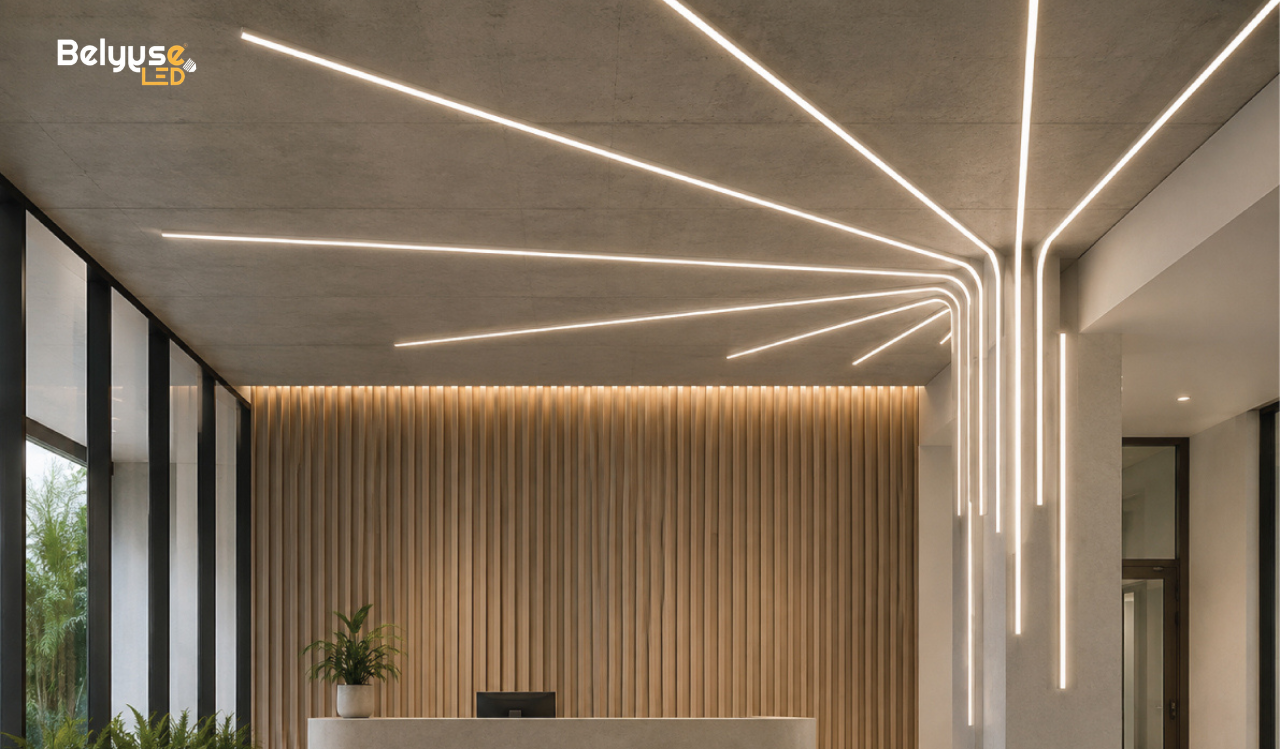
- Cove lighting
- Recessed lighting
- Magnetic track lighting
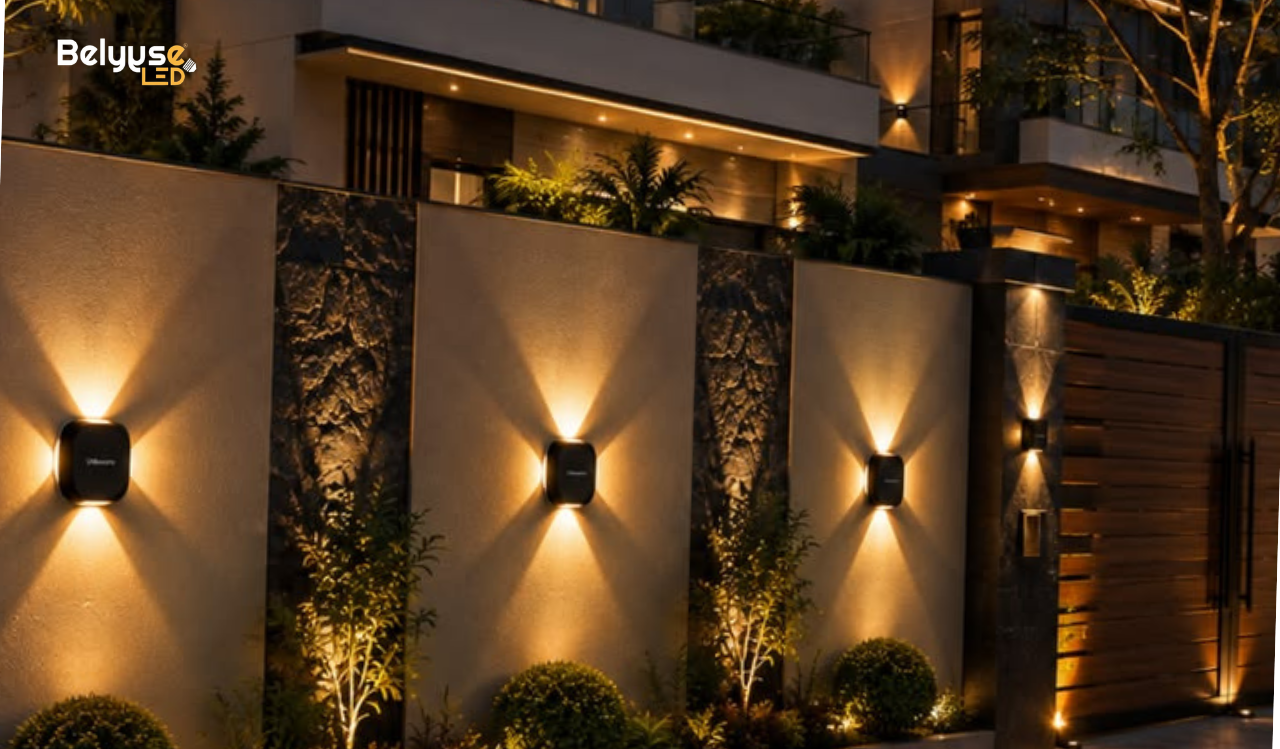
- Wall grazing
- Wall washing
- Facade lighting
- Decorative lighting
- Custom architectural profiles
The focus is also shifting from simply choosing the right wattage to considering lumens, beam angle, colour temperature, CRI, glare control and energy efficiency.
This means future lighting design will focus on delivering the right amount of light in the right location, rather than simply installing more fixtures.
LED already represents a dominant share of India's lighting market, reflecting how deeply the technology has entered residential, commercial and architectural applications.
2. Smart Lighting and Automation Will Transform Buildings
One of the biggest future lighting trends in India will be connected and automated lighting.
Smart lighting systems can integrate:
- Motion sensors
- Occupancy sensors
- Daylight sensors
- Dimming systems
- Remote control
- Timers and scheduling
- Building management systems
- Smartphone and voice control
Imagine entering a conference room and having the lighting automatically adjust according to occupancy and daylight. Or a hotel façade that changes its lighting scene according to the time of day.
This is no longer futuristic technology. The Indian smart lighting market is expanding rapidly, driven by demand for energy savings, customization and connected environments.
3. Human-Centric Lighting Will Become More Important
The future of architectural lighting isn't only about technology—it is also about people.
Human-centric lighting focuses on creating environments that support comfort, productivity and well-being through appropriate light levels and colour characteristics.
For example:
Homes: warm, comfortable lighting for relaxation.
Offices: balanced illumination designed for concentration and productivity.
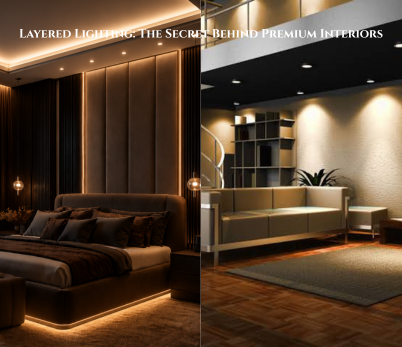
Hotels: layered lighting that creates a premium and relaxing atmosphere.
Healthcare: high-quality lighting with appropriate colour rendering.
Instead of asking, "How many lights do we need?", designers will increasingly ask:
"How should people feel in this space?"
This shift toward human-centric lighting is already being identified as one of the major developments in the lighting industry.
4. Architectural Lighting Will Become More Integrated
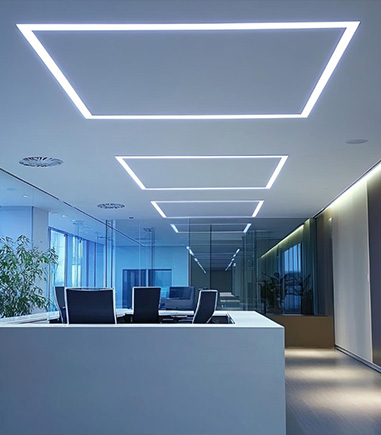
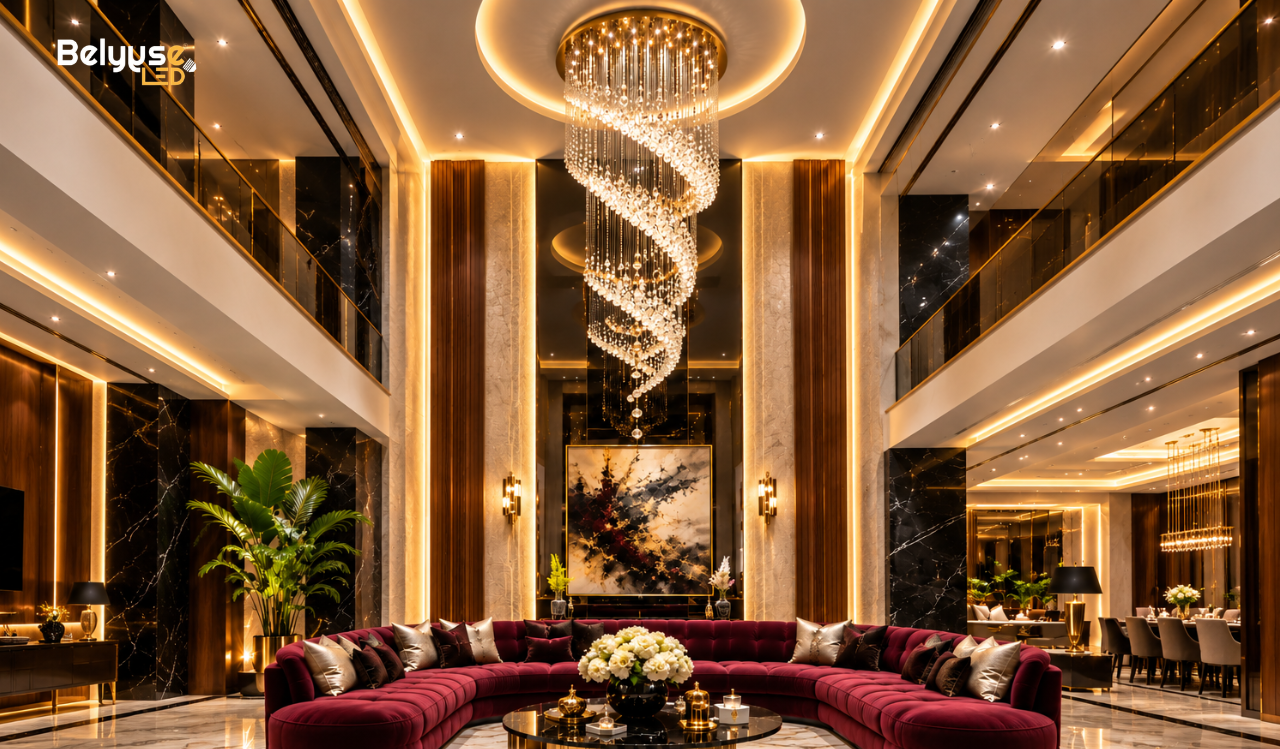
One of the most visible trends will be lighting that disappears into architecture.
Instead of seeing the light fixture, users will see the effect of the light.
This includes:
- Concealed cove lighting
- Recessed linear profiles
- Trimless downlights
- Shadow-gap lighting
- Integrated furniture lighting
- Minimalist magnetic track systems
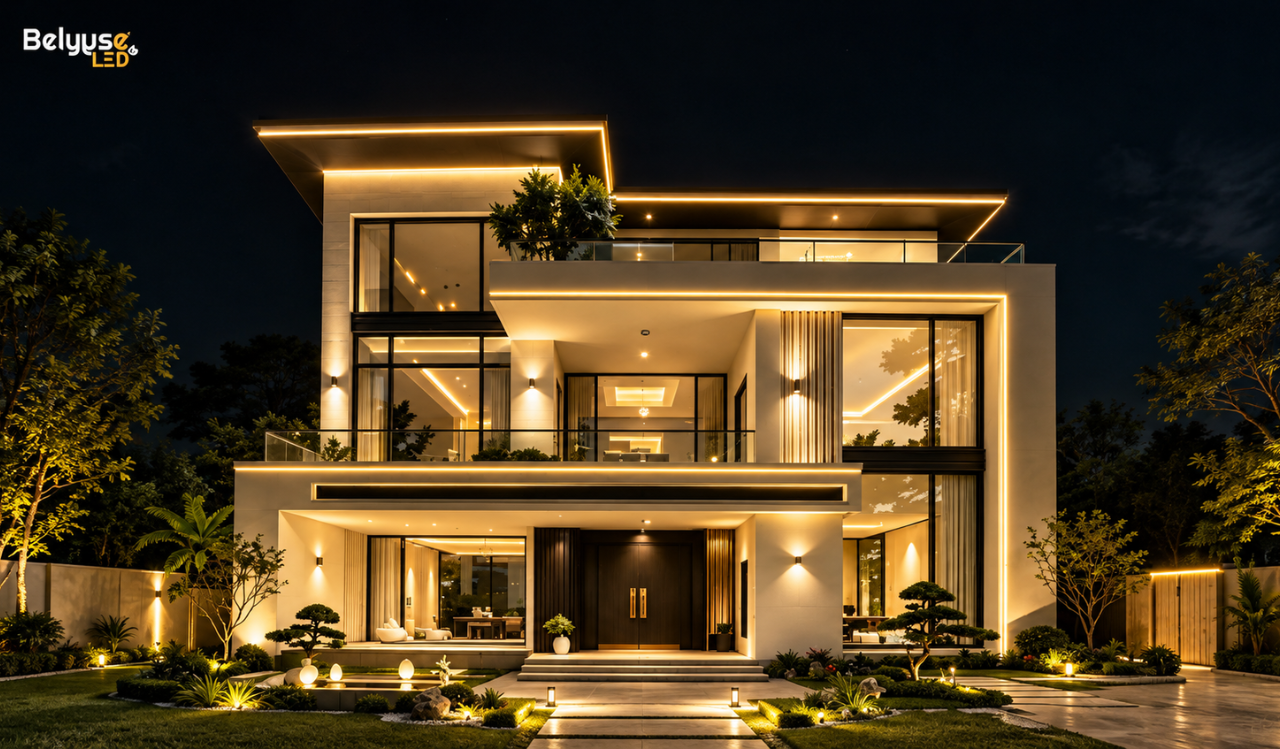
- Concealed façade lighting
The objective is simple:
See the architecture. Experience the light.
This approach is particularly powerful in luxury residential projects, hospitality, retail environments and premium commercial interiors.
5. Facade Lighting Will Become More Dynamic
Indian cities are rapidly developing modern commercial buildings, hotels, mixed-use developments and landmark architecture.
As a result, facade lighting design is becoming increasingly important.
The future will move beyond simple floodlighting toward:
- Wall grazing
- Pixel lighting
- Linear façade lighting
- RGB and RGBW systems
- Dynamic lighting scenes
- Media façades
- Automated colour-changing systems
Architectural lighting can transform the identity of a building after sunset, making the façade an important part of the overall brand experience.
This opportunity is also expanding beyond major metros as infrastructure and premium developments grow across Tier-II and Tier-III cities.
6. Energy Efficiency Will Drive Lighting Decisions
Sustainability is becoming a critical consideration in modern construction.
Future lighting projects will focus increasingly on:
Lower energy consumption + longer lifespan + better performance + intelligent controls.
Energy-efficient lighting is particularly important in large commercial buildings where lighting can contribute significantly to operating costs.
Building energy-efficiency standards and government initiatives are also encouraging the adoption of high-performance lighting solutions.
The future isn't simply about installing LED fixtures.
It is about designing a lighting system that uses less energy while delivering better visual performance.
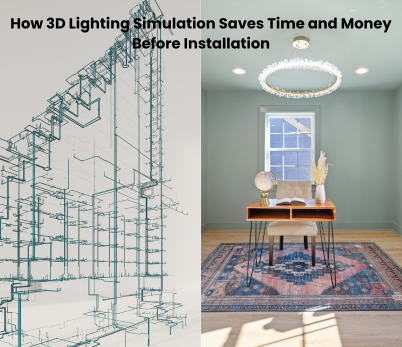
7. 3D Lighting Simulation Will Change the Design Process
Another major opportunity is the use of 3D lighting simulation.
Before installation begins, architects, interior designers and clients can visualize:
- Light intensity
- Beam direction
- Shadows
- Colour temperature
- Wall-washing effects
- Cove-lighting effects
- Facade illumination
- Fixture placement
This allows potential problems to be identified before they become expensive site changes.
For complex architectural projects, lighting design + 3D visualization can become an important part of the planning process.
The future of lighting design will therefore be increasingly digital, allowing clients to understand the final lighting experience before construction is completed.
8. Custom Lighting Solutions Will Grow
Every architectural project is different.
A luxury villa, five-star hotel, retail showroom and corporate office have completely different lighting requirements.
This is creating growing demand for custom architectural lighting solutions instead of standard off-the-shelf fixtures.
Designers will increasingly look for:
- Custom lengths
- Custom profiles
- Specific beam angles
- Special colour temperatures
- Bespoke decorative fixtures
- Integrated lighting details
- Project-specific control systems
The lighting manufacturer of the future will therefore need to act not only as a product supplier, but also as a lighting technology and project solution partner.
9. Better Light Quality Will Matter More Than Higher Wattage
A major mindset change is already happening.
The question is moving from:
"How many watts is this light?"
to:
"How much useful light does it produce, and how well does it reveal the space?"
Parameters such as lumens, CRI, CCT, beam angle, glare and colour consistency will become increasingly important.
For premium architectural projects, high-CRI lighting can dramatically improve the appearance of materials such as wood, stone, artwork, fabrics and finishes.
Better lighting isn't necessarily brighter lighting.
Better lighting is more controlled lighting.
10. The Future Is About Lighting as an Experience
Perhaps the biggest change in architectural lighting in India will be the shift from illumination to experience.
Lighting can influence how a person perceives:
- Space
- Material
- Luxury
- Comfort
- Brand identity
- Safety
- Mood
- Architecture
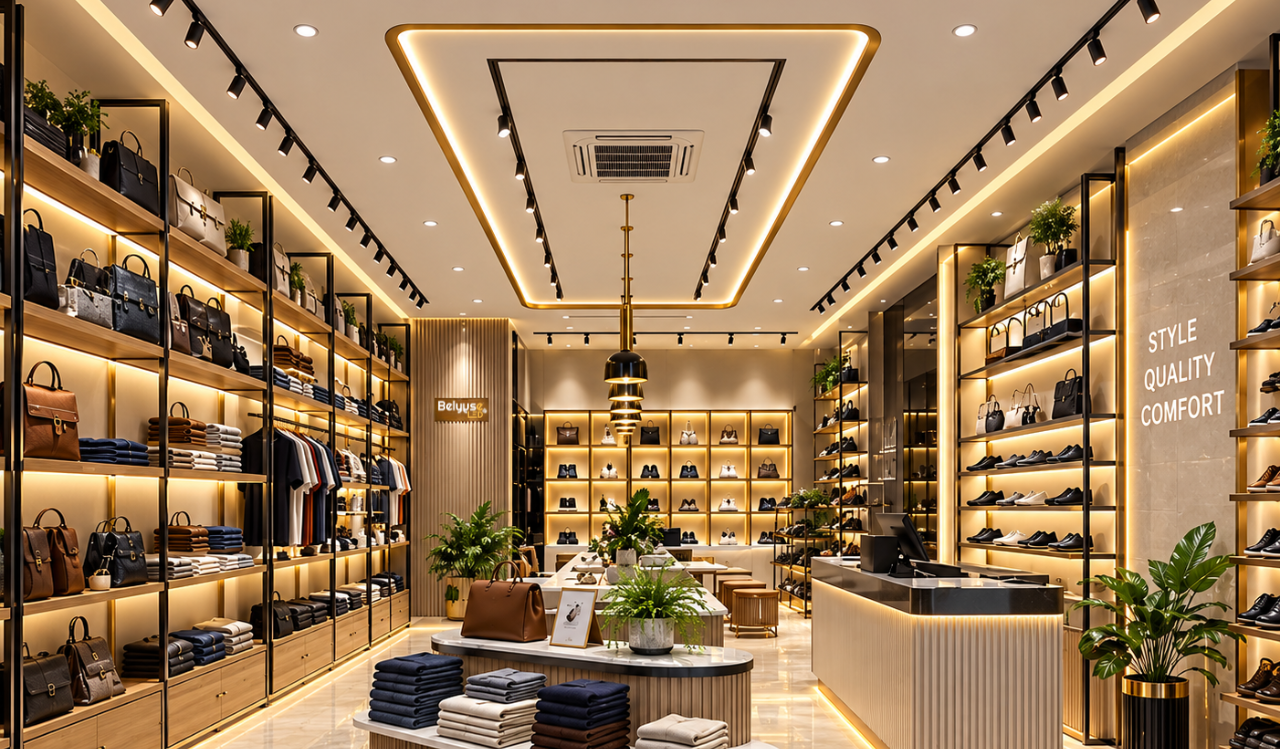
A restaurant can use warm layered lighting to create intimacy. A retail store can use accent lighting to highlight products. A hotel can use architectural lighting to create a premium arrival experience. A residence can use different lighting scenes for different moments of the day.
This makes lighting an integral part of the architectural experience rather than an afterthought.
What Does the Future Hold?
The future of architectural lighting in India will be shaped by five major ideas:
Smart + Sustainable + Integrated + Custom + Human-Centric
LED technology will continue to evolve, while smart controls, automation, connected systems, 3D visualization and energy-efficient design will become increasingly important.
For architects, interior designers, builders, constructors and homeowners, this creates an exciting opportunity: designing spaces where architecture and technology work together through light.
The next generation of Indian buildings won't simply be well illuminated.
They will be intelligently designed, visually memorable and responsive to the people who experience them.
And that is the real future of architectural lighting in India.