
A great restaurant is more than delicious food and beautiful interiors. It is an experience.
From the moment guests walk through the door, every detail influences how they feel — the furniture, colours, music, architecture, and, most importantly, lighting.
The right restaurant lighting design can make a space feel luxurious, intimate, energetic, welcoming, or sophisticated. The wrong lighting can make even an expensive restaurant interior feel flat, uncomfortable, or uninviting.
Modern hospitality designers are therefore treating lighting as a core part of restaurant design rather than simply a functional requirement.
Why Restaurant Lighting Design Matters
Lighting affects how guests perceive food, interiors, colours, materials, and even the overall personality of a restaurant.
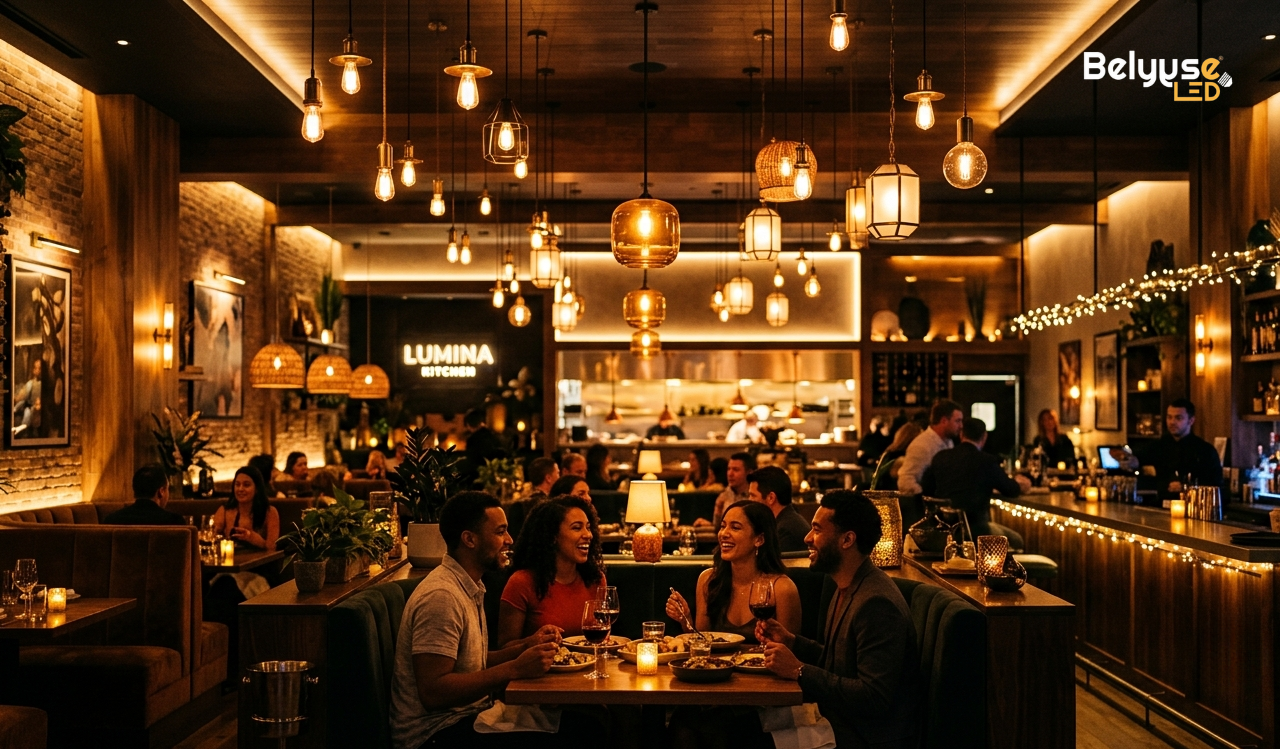
Think about two restaurants with the same furniture and architecture. One uses harsh, uniform white lighting across the ceiling. The other combines warm ambient lighting, focused table lighting, decorative pendants, and subtle accent lights.
The second restaurant will usually feel more layered, comfortable, and visually interesting.
That is the power of hospitality lighting design.
A well-planned lighting system can:
- Create a memorable dining atmosphere
- Highlight architectural features
- Make interiors look more premium
- Improve guest comfort
- Strengthen restaurant brand identity
- Support staff visibility and functionality
- Reduce unnecessary energy consumption with efficient LED solutions
- Create different moods for lunch, dinner, and late-night service
In other words, restaurant lighting is not just about brightness — it is about creating an experience.
The 3 Layers of Restaurant Lighting
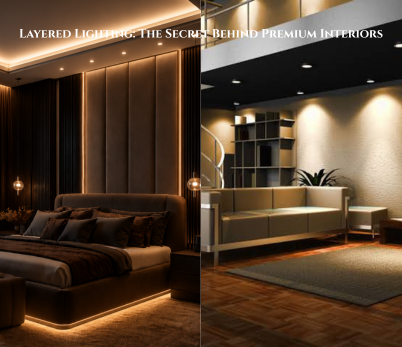
One of the most effective approaches to restaurant interior lighting is layered lighting.
Instead of relying on one type of fixture, designers combine different lighting layers to create depth and visual hierarchy.
1. Ambient Lighting
Ambient lighting provides the overall illumination of the restaurant.
It helps guests move comfortably through the space while establishing the basic atmosphere.
Common options include:
- Recessed LED downlights
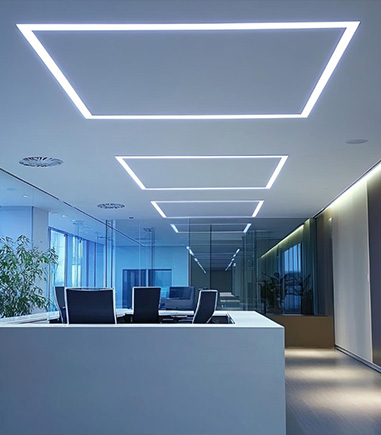
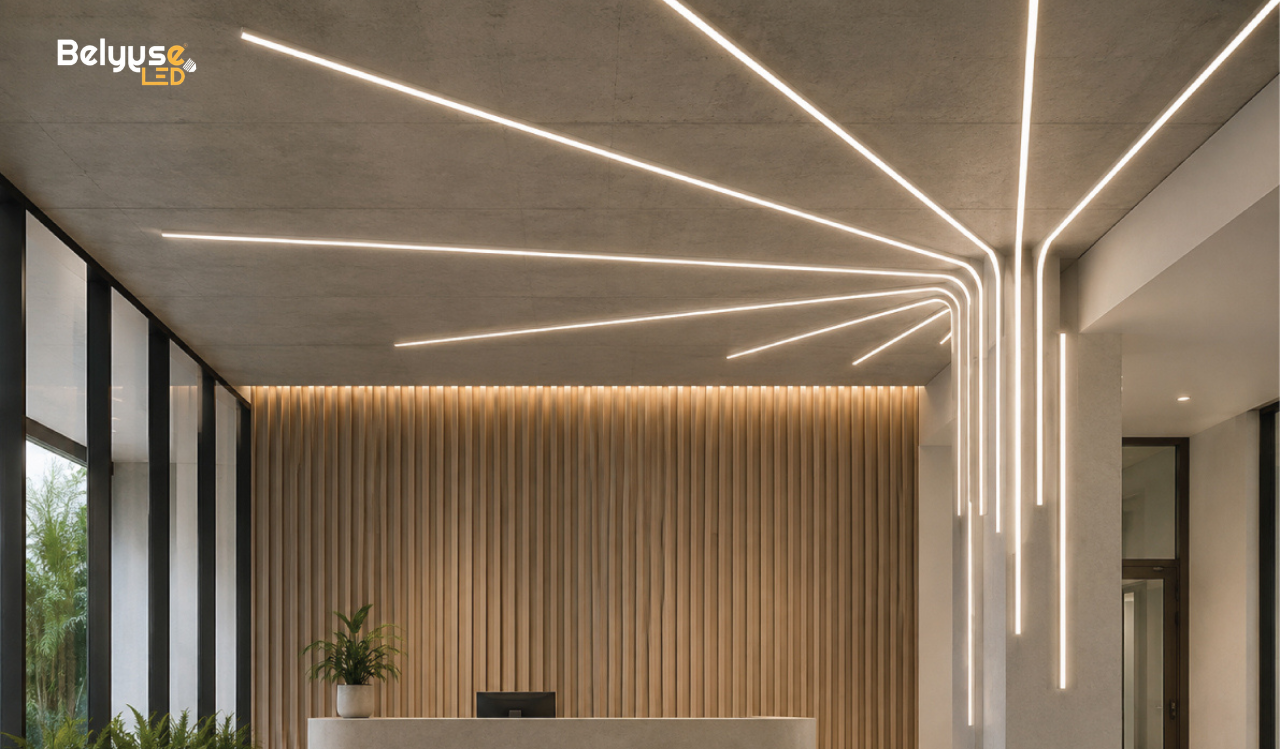
- Linear LED lighting
- Cove lighting
- Ceiling-mounted fixtures
- Indirect lighting
For dining environments, warmer colour temperatures around 2700K–3000K are commonly used to create a welcoming atmosphere.
The goal is not to make every corner equally bright. Instead, ambient lighting should create a comfortable base while leaving room for accent and decorative lighting to create visual interest.
2. Accent Lighting
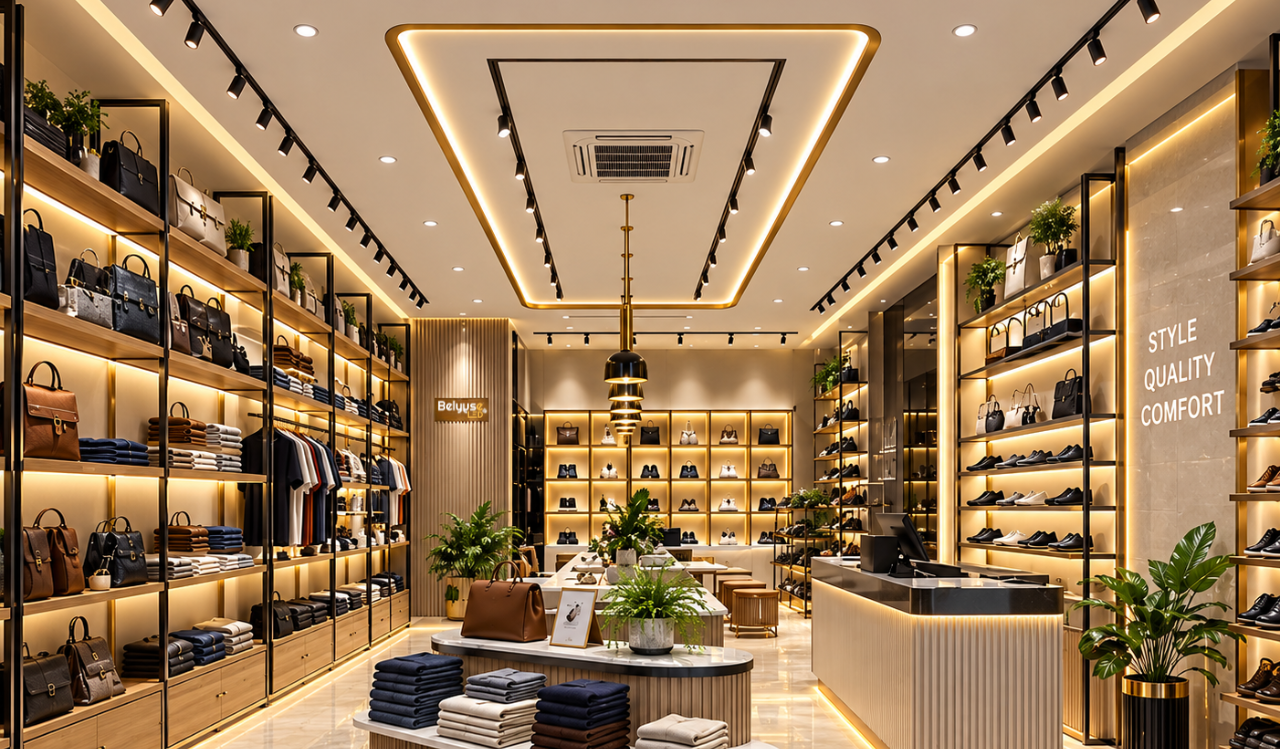
Accent lighting is where restaurant interiors become memorable.
It directs attention toward specific elements such as:
- Feature walls
- Artwork
- Textured surfaces
- Architectural details
- Plants
- Bar counters
- Product displays
- Sculptures
- Restaurant signage
Adjustable spotlights, track lights, wall washers, and directional LED fixtures can be used to create these focal points.
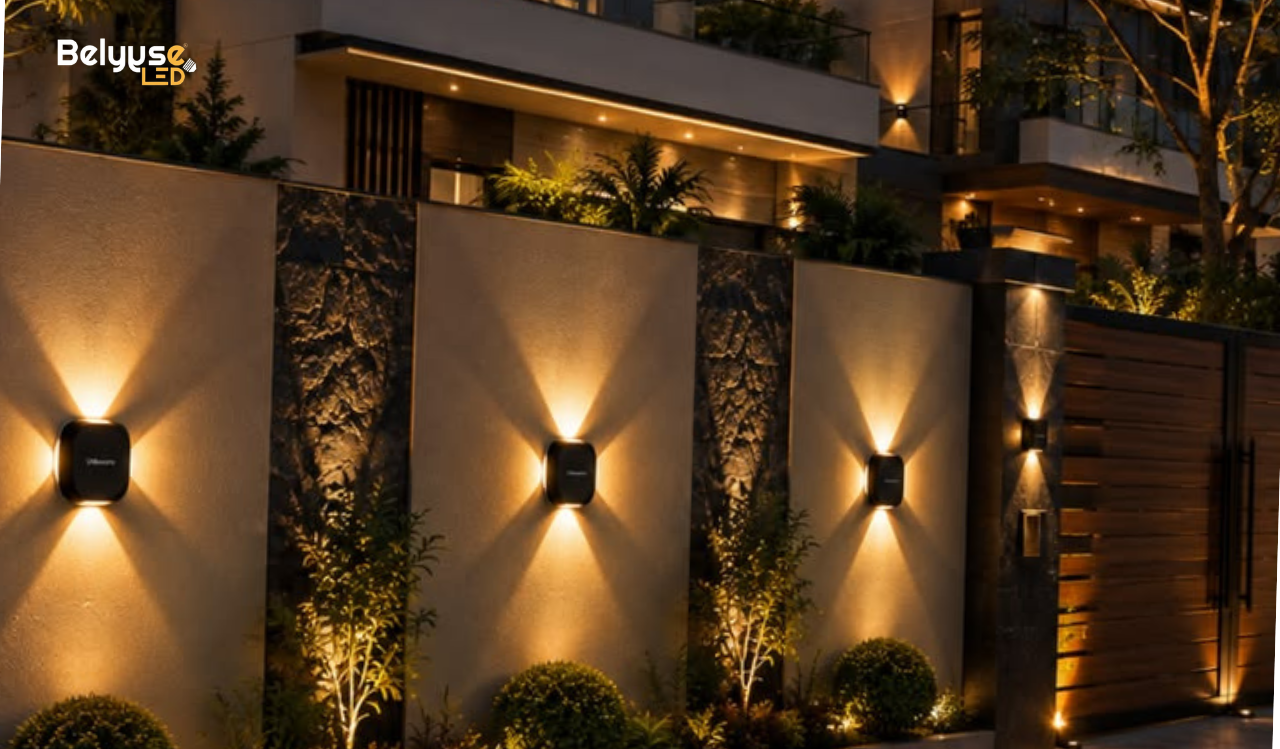
For example, a textured stone wall may look ordinary under flat lighting but become a dramatic architectural feature when illuminated with carefully positioned wall-washing light.
Good restaurant lighting doesn't illuminate everything equally — it tells the guest where to look.
3. Task Lighting
Task lighting provides focused illumination where specific activities require better visibility.
Typical areas include:
- Dining tables
- Bar counters
- Cash counters
- Service stations
- Buffets
- Food preparation areas
- Staff workstations
The challenge is to provide enough visibility without creating glare or destroying the intimate atmosphere of the restaurant.
This is why restaurant lighting should be designed according to the function of each zone rather than using one lighting specification throughout the entire property.
Choose the Right Colour Temperature
One of the most important decisions in restaurant lighting design is colour temperature. Colour temperature is measured in Kelvin (K).
2200K–2700K — Warm & Intimate
Ideal for:
- Fine dining
- Luxury restaurants
- Lounges
- Bars
- Romantic dining spaces
This range creates a warm, intimate and sophisticated atmosphere.
2700K–3000K — Warm & Welcoming
Ideal for:
- Casual dining
- Cafés
- Contemporary restaurants
- Premium dining spaces
This is one of the most versatile ranges for hospitality environments.
3000K–3500K — Cleaner & More Energetic
Can work well for:
- Fast-casual restaurants
- Cafés
- Commercial areas
- Restaurant circulation zones
The important point is to select colour temperature according to the restaurant concept rather than simply following a trend.
CRI: The Secret Behind Better-Looking Food
Have you ever noticed how food can look amazing in one restaurant but dull in another?
CRI — Colour Rendering Index — plays an important role.
CRI indicates how accurately a light source reveals colours compared with a reference light source.
For restaurants, high-CRI lighting is particularly valuable because guests need to see food, skin tones, furniture, fabrics and finishes naturally.
For food-focused areas, many current hospitality lighting guides recommend CRI 90+, with higher CRI specifications used where colour accuracy is especially important.
Imagine a beautifully plated dish with vibrant vegetables, fresh herbs and rich sauces.
The lighting should make those colours look as good as the chef intended.
Great food deserves great light.
Don't Just Increase Brightness
A fixture may provide plenty of light, but if guests can see the LED source directly from their seating position, it can become uncomfortable.
Good LED restaurant lighting should therefore consider:
- Beam angle
- Fixture position
- Shielding
- Diffusers
- Recessed depth
- Seating height
- Viewing angles
- Reflective surfaces
The objective is simple:
Illuminate the experience, not the guest's eyes.
Anti-glare optics and carefully positioned fixtures can dramatically improve visual comfort.
Make the Dining Table the Hero
The dining table is the centre of the restaurant experience.
Lighting should therefore create a visual focus around the table without making the surroundings completely dark.
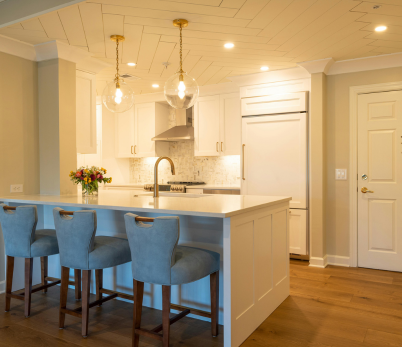
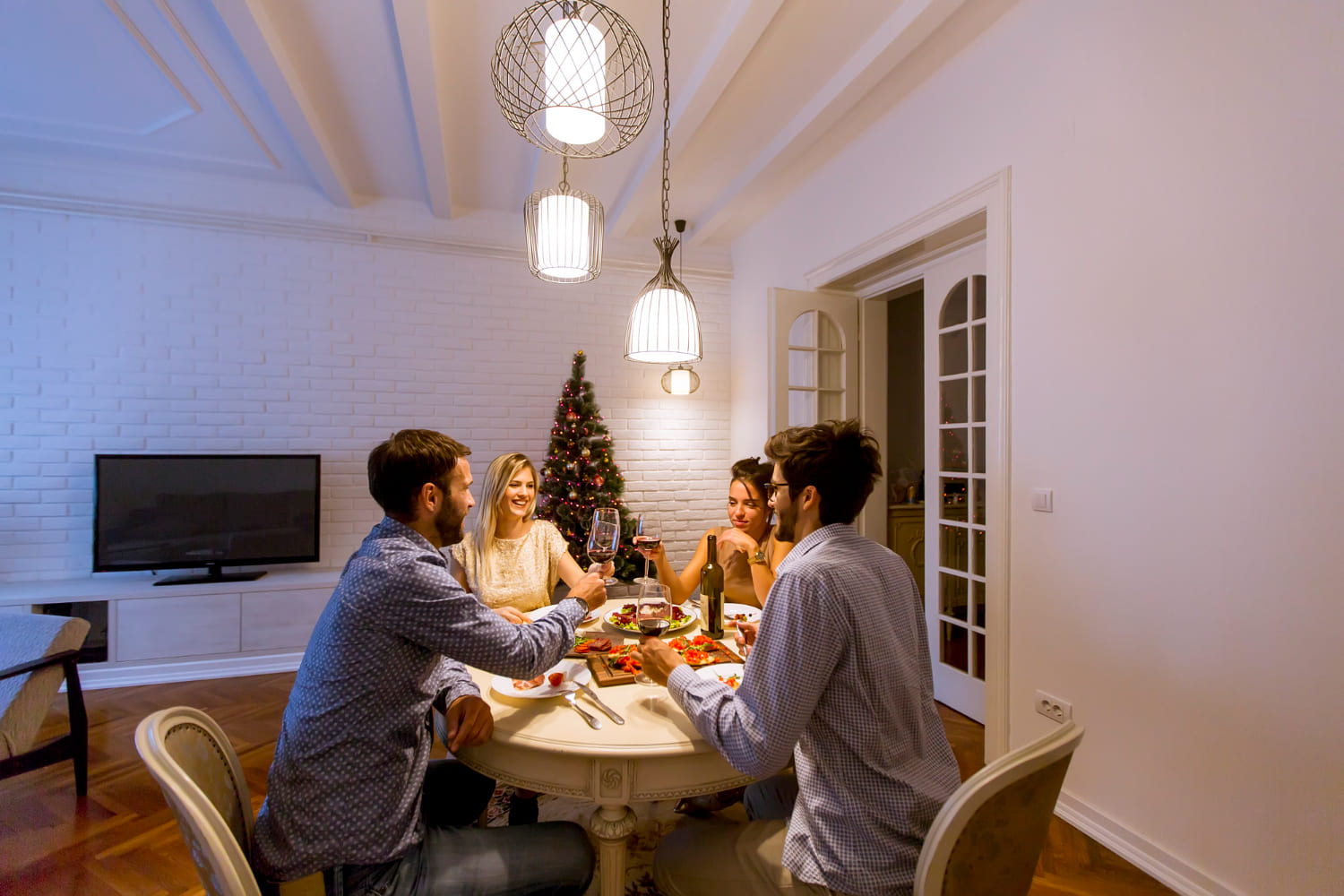
Pendant lights are especially effective because they can provide focused illumination while adding a strong decorative element.
For premium restaurants, designers can combine:
Pendant + accent lighting + wall washing + indirect lighting
This creates a layered composition where the food, table setting and guests become the visual focus.
A well-positioned pendant can also become an important part of the restaurant's identity.
Use Lighting to Highlight Restaurant Branding
Lighting can become a powerful branding tool.
Consider a restaurant with a beautiful logo wall, signature artwork or distinctive architectural feature.
Instead of simply placing a bright fixture in front of it, use:
- Wall washers
- Linear LEDs
- Backlighting
- Grazing light
- Adjustable spotlights
- Cove lighting
These techniques can make brand elements more recognizable and create opportunities for memorable photographs.
In today's social-media-driven hospitality industry, a visually distinctive restaurant interior can become part of the marketing strategy itself.
Design the lighting so guests want to photograph the space.
Restaurant Lighting Should Change Throughout the Day
A restaurant does not have the same atmosphere at 12 PM and 10 PM.
That is why modern hospitality lighting design should include dimming and lighting scenes wherever practical.
For example:
Lunch Scene
Brighter, cleaner and more functional.
Evening Scene
Warmer, softer and more atmospheric.
Dinner Scene
Focused table lighting with stronger architectural accents.
Late-Night Scene
Lower ambient levels with decorative and accent lighting creating a relaxed mood.
Dimmable LED systems and programmable scenes allow one restaurant to create multiple experiences using the same lighting installation.
Energy-Efficient LED Lighting for Restaurants
Restaurants often operate for long hours, making energy efficiency an important consideration.
Switching from inefficient conventional sources to properly designed commercial LED lighting can help reduce energy consumption while providing better control over brightness, colour temperature and lighting scenes.
However, energy efficiency should not mean simply installing fewer fixtures.
The better approach is to design the lighting system intelligently.
Use light only where it creates value.
Highlight important architectural elements.
Avoid unnecessary brightness.
Use dimming when full output is not required.
Select efficient LED fixtures with reliable drivers and appropriate optics.
This approach can create a restaurant that is both visually impressive and operationally efficient.
Common Restaurant Lighting Mistakes to Avoid
1. Using the Same Brightness Everywhere
Uniform lighting creates a flat appearance and removes visual hierarchy.
2. Choosing Fixtures Only for Their Appearance
A beautiful fixture is not automatically a good lighting fixture.
Performance, glare, beam angle, colour quality and maintenance must also be considered.
3. Using Low-CRI Lighting
Poor colour rendering can make food, skin tones and interior finishes look unnatural.
4. Ignoring Glare
Guests should never feel uncomfortable because a bright LED source is directly in their field of view.
5. Mixing Too Many Colour Temperatures
Uncontrolled combinations of warm and cool light can make a restaurant feel visually inconsistent.
6. Planning Lighting After the Interior Design
Lighting should be integrated into the design process from the beginning.
Ceiling layouts, furniture, feature walls, electrical points and architectural elements should all work together.
The Future of Restaurant Lighting Design
The future of restaurant lighting is moving toward experience-driven, energy-efficient and intelligent lighting systems.
Architects, interior designers and restaurant owners are increasingly looking beyond simple illumination and focusing on:
- Smart lighting controls
- Dimmable LED systems
- Tunable lighting
- High-CRI LEDs
- Architectural linear lighting
- Decorative lighting
- Anti-glare solutions
- Scene-based lighting
- Energy-efficient lighting
- Bespoke lighting installations
The objective is no longer simply to make a restaurant bright.
It is to create an environment that guests remember.
Final Thoughts
A memorable restaurant experience is created through hundreds of small details — and lighting connects many of them together.
The right restaurant lighting design can make food look more appetizing, interiors look more luxurious, architectural details stand out, and guests feel more comfortable.
For architects, interior designers, builders and restaurant owners, lighting should therefore be considered an essential part of the restaurant concept from day one.
Don't just light your restaurant. Design the experience.
At BelyyseLED, we approach lighting as a complete design solution — combining architectural lighting, decorative lighting, high-performance LED technology and project-specific lighting design to create spaces that look exceptional and perform efficiently.
Planning a new restaurant or renovating an existing space?
Talk to BelyyseLED about creating a lighting design tailored to your restaurant's architecture, brand identity and guest experience.