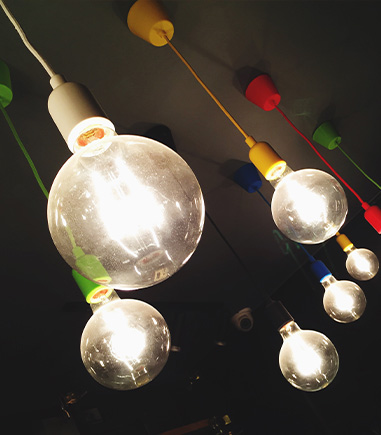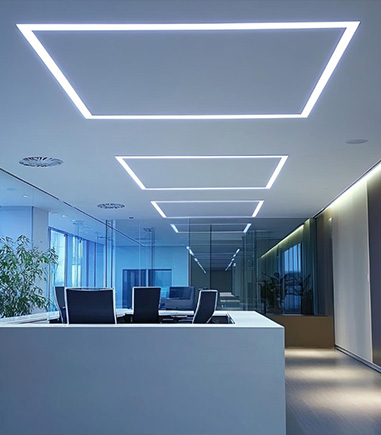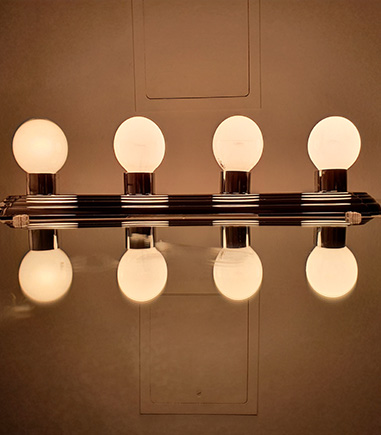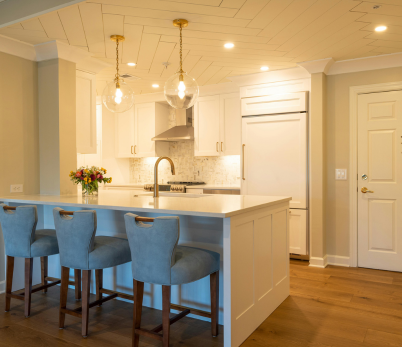


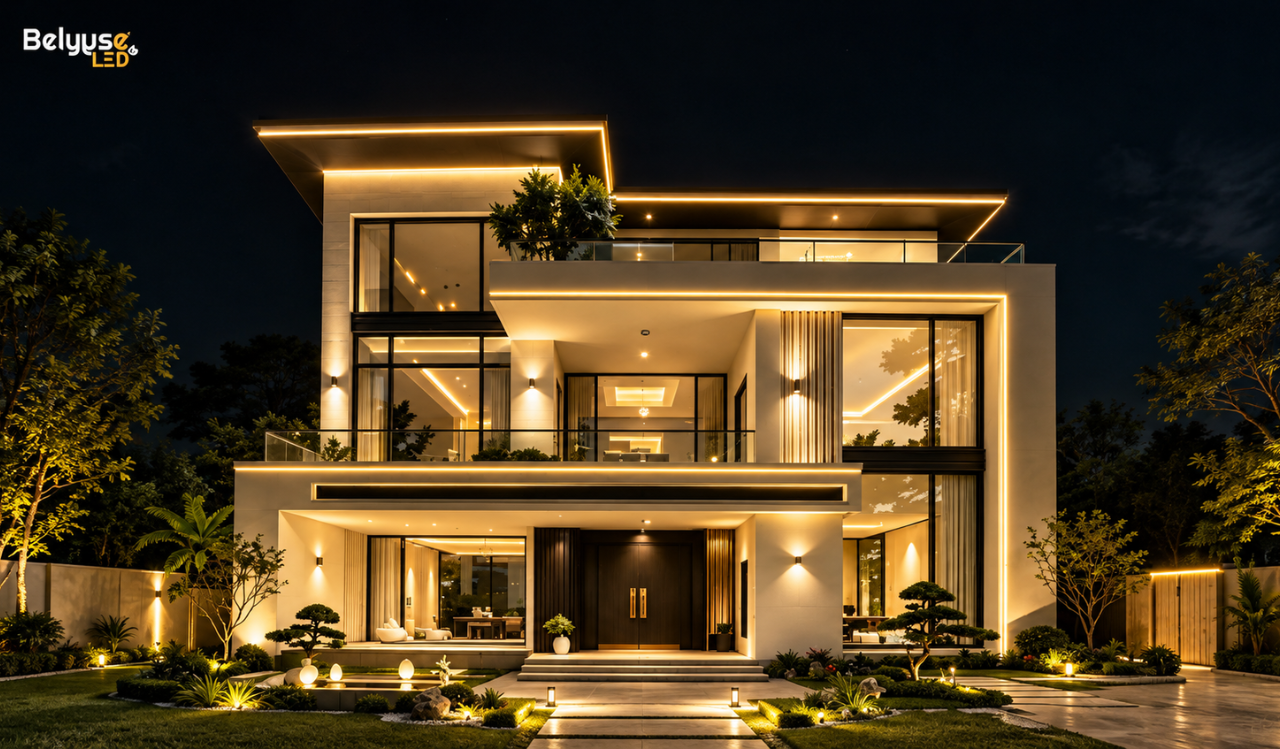
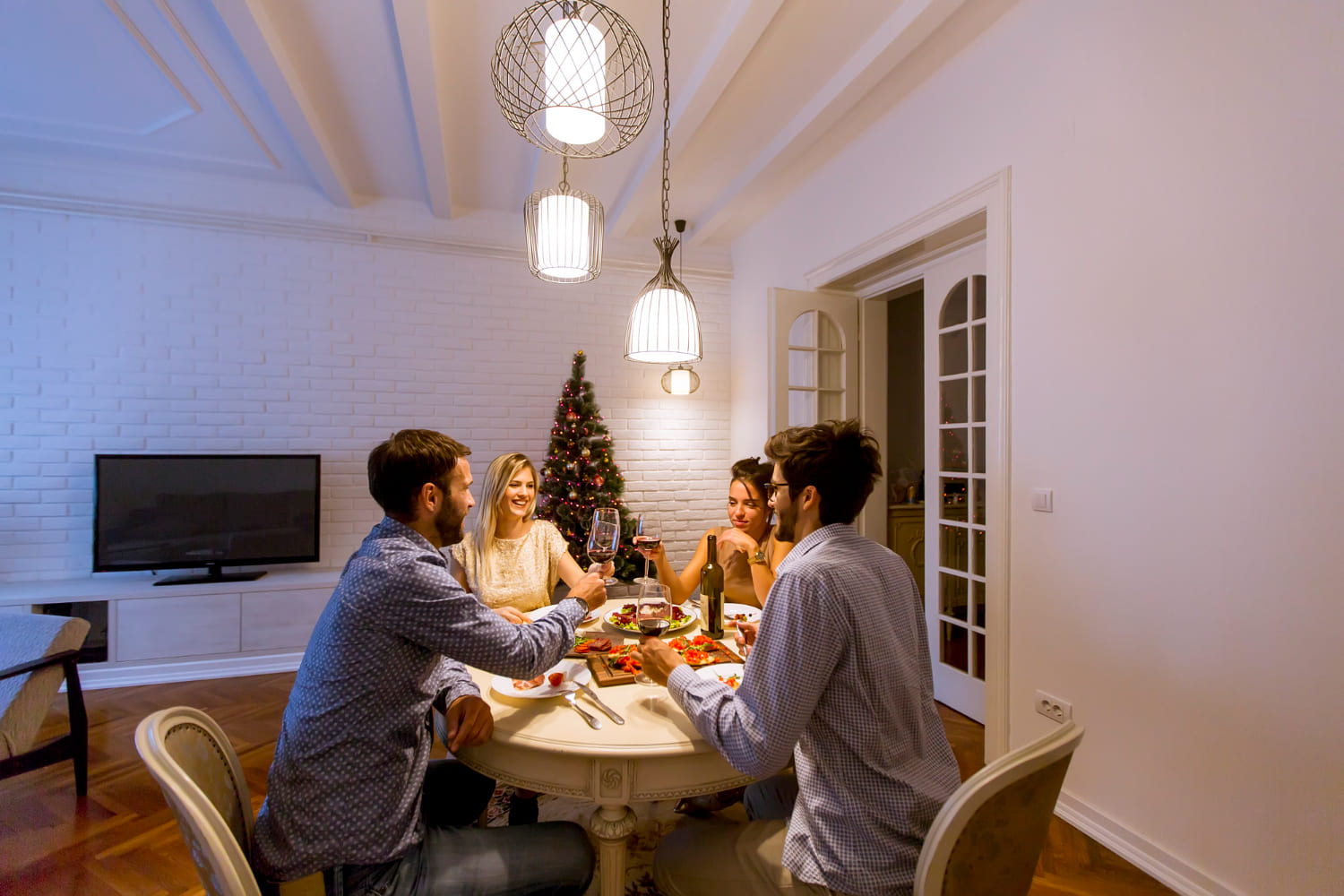
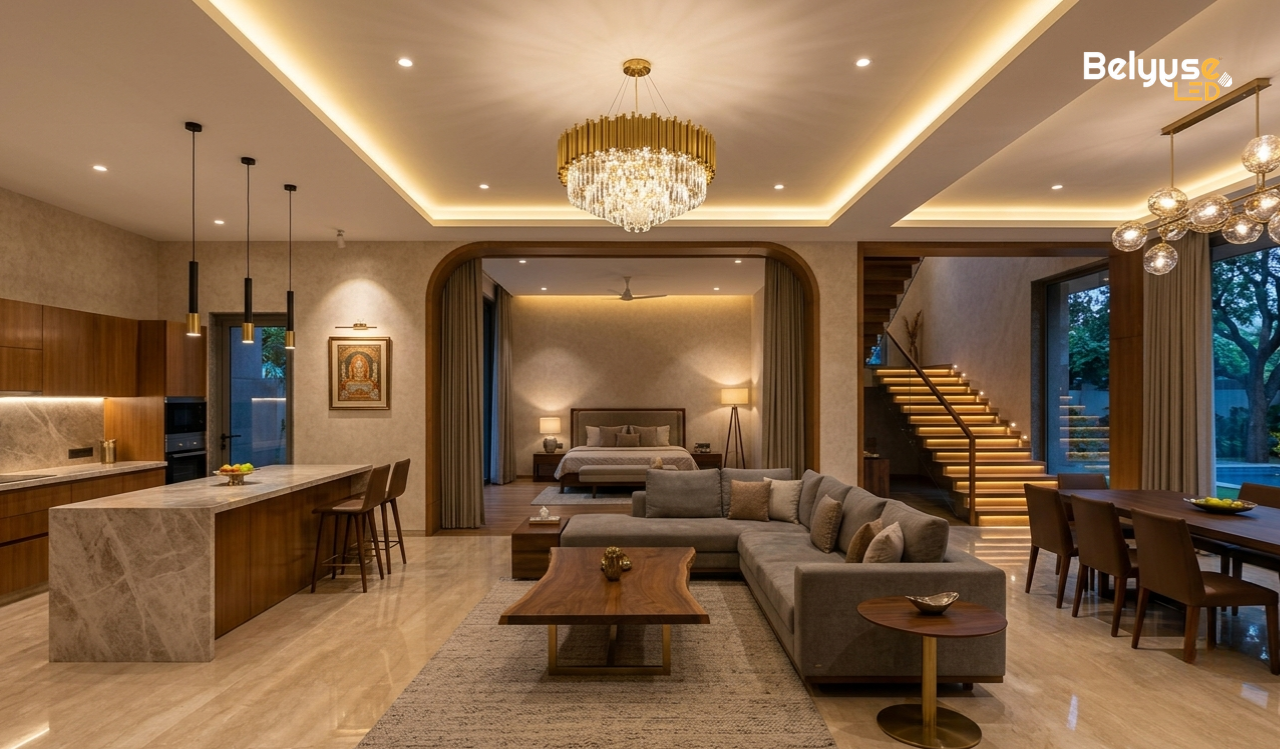
Residential lighting is no longer only about making a home bright. The right lighting can change the look, feel, comfort, and functionality of a home. From living room lighting and bedroom lighting to kitchen lighting and outdoor lighting, every space needs a different lighting approach.
A well-designed residential lighting design combines beauty, comfort, energy efficiency, and functionality. With the right combination of ambient, task, and accent lighting, you can make a simple room look more elegant and premium.
In this guide, we will understand the best home lighting ideas, lighting types, colour temperatures, and practical tips for creating a beautiful and comfortable home.
What Is Residential Lighting?
Residential lighting means planning and using different types of lights inside and around a home. It includes ceiling lights, recessed lights, downlights, LED strip lights, pendant lights, wall lights, spotlights, chandeliers, and outdoor lights.
A good residential lighting plan does not simply add more lights to a room. Instead, it places the right light in the right location.
The main goal is to create:
- Comfortable illumination
- Better visibility
- Attractive interiors
- Highlighted architectural features
- Energy-efficient lighting
- A warm and welcoming atmosphere
Why Is Good Home Lighting Important?
Lighting has a major impact on how a home looks and feels. Even a beautifully designed interior can lose its visual appeal if the lighting is poorly planned.
Good home lighting design can:
1. Improve the Look of Your Interior
Proper lighting can highlight walls, artwork, furniture, textures, curtains, and architectural details.
For example, a focused spotlight can make a painting or decorative wall the main attraction of a room.
2. Create the Right Mood
Warm lighting can make a living room or bedroom feel comfortable and relaxing, while brighter lighting can help create an energetic environment in kitchens and work areas.
3. Improve Functionality
Different activities need different lighting levels. Reading, cooking, working, dressing, and relaxing all require different lighting solutions.
4. Save Energy
Modern LED residential lighting uses less energy than many traditional lighting technologies and can provide long-lasting performance.
5. Increase the Premium Feel
Well-planned lighting can make materials such as marble, wood, fabric, metal, and decorative surfaces look more attractive.
Types of Residential Lighting
A successful lighting design usually uses a combination of three main lighting types.
1. Ambient Lighting
Ambient lighting provides the overall illumination of a room.
Examples include:
- LED ceiling lights
- Recessed downlights
- Surface lights
- Cove lighting
- Chandeliers
Ambient lighting should provide comfortable general illumination without creating excessive brightness or glare.
2. Task Lighting
Task lighting provides focused light for specific activities.
Examples include:
- Kitchen counter lighting
- Study table lights
- Bedside reading lights
- Dressing mirror lights
- Bathroom mirror lighting
The purpose is simple: provide enough light exactly where the activity takes place.
3. Accent Lighting
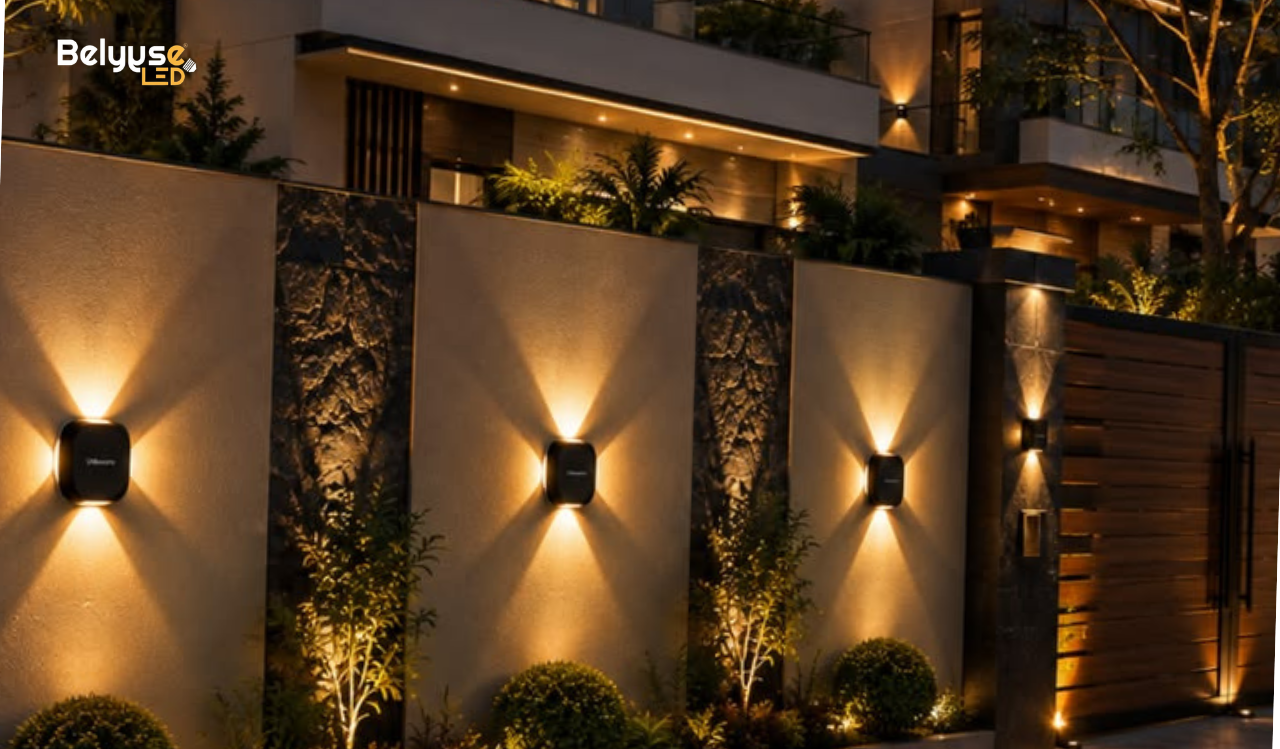
Accent lighting is used to highlight specific objects or architectural features.
It can be used for:
- Artwork
- Decorative walls
- Sculptures
- Plants
- Textured walls
- Display shelves
- Architectural details
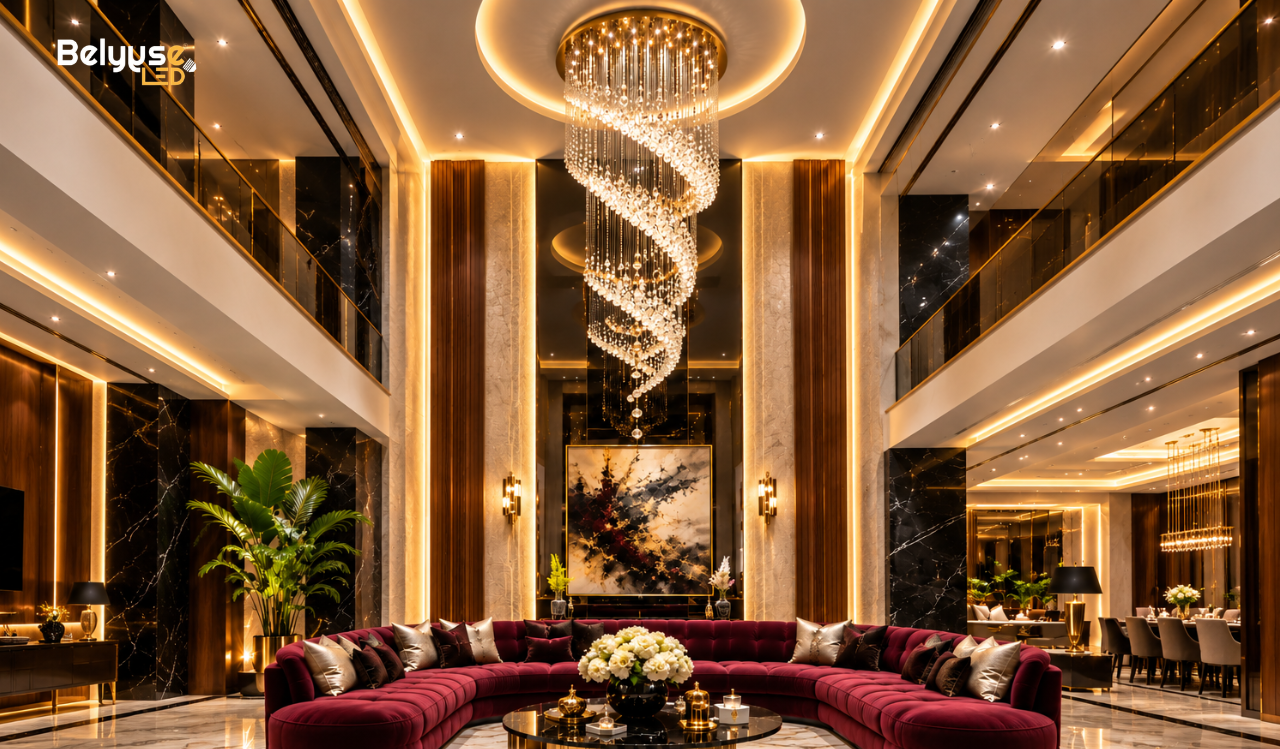
Accent lighting is especially useful when you want to create a luxury interior lighting effect.
Room-Wise Residential Lighting Ideas
Every room has a different purpose, so the lighting should also be different.
Living Room Lighting
The living room is often the main social area of a home. It needs lighting that is comfortable, attractive, and flexible.
Popular living room lighting ideas include:
- Recessed LED downlights
- Cove lighting
- Pendant lights
- Chandeliers
- Wall lights
- Accent spotlights
- LED strip lighting
Instead of using only one bright ceiling light, consider layering different lights.
For example, general ceiling lighting can provide overall brightness, while spotlights can highlight artwork or a feature wall.
Bedroom Lighting
Bedroom lighting should create a calm and relaxing environment.
Good bedroom lighting ideas include:
- Warm recessed lights
- Bedside wall lights
- Pendant lights
- Cove lighting
- LED strip lighting
- Wardrobe lighting
For bedrooms, warm white light is often preferred because it creates a softer and more comfortable atmosphere.
Avoid placing very bright lights directly above the bed if they create glare.
Kitchen Lighting
The kitchen requires both functional and decorative lighting.
Good kitchen lighting design can include:
- Ceiling downlights
- Under-cabinet LED lights
- Pendant lights
- Cabinet lighting
- Cove lighting
Countertops need sufficient task lighting because cooking and food preparation require clear visibility.
Under-cabinet lighting can be especially useful because it directly illuminates the working surface.
Dining Room Lighting
The dining table should be the visual focus of the room.
A pendant light or chandelier positioned above the dining table can create an elegant appearance.
The light should provide sufficient illumination without causing uncomfortable glare for people sitting around the table.
For a premium dining area, combine decorative lighting with subtle ceiling or wall lighting.
Bathroom Lighting
Bathroom lighting needs careful planning because visibility is important.
A combination of:
- Ceiling lighting
- Mirror lighting
- Wall lighting
- Shower-area lighting
can provide better illumination.
Mirror lighting is particularly important. Light should illuminate the face evenly rather than creating strong shadows.
Staircase Lighting
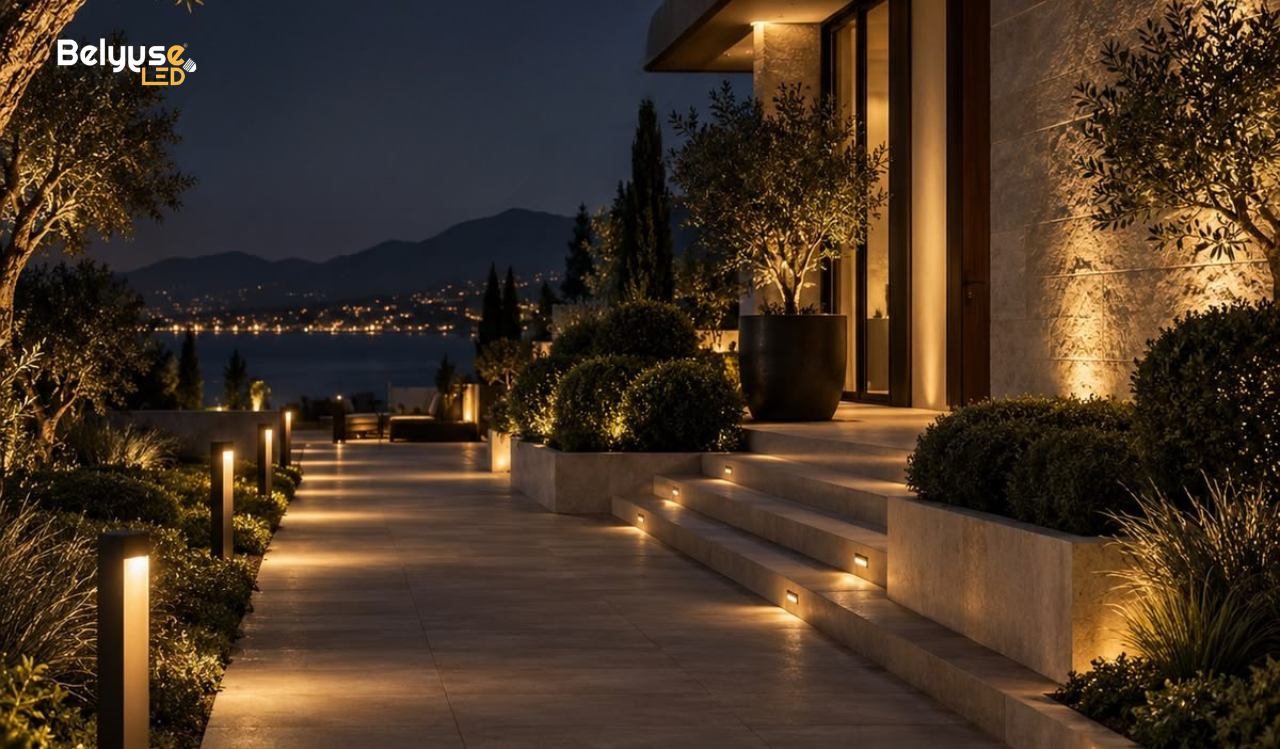
Staircase lighting can improve both safety and visual appeal.
Options include:
- Step lights
- Wall lights
- LED strip lighting
- Handrail lighting
- Ceiling spotlights
Subtle lighting around stair steps can create a modern architectural effect while improving visibility.
Choosing the Right Colour Temperature
Colour temperature is one of the most important parts of residential lighting design.
It is measured in Kelvin (K).
2700K–3000K: Warm White
Warm white creates a comfortable and relaxing atmosphere.
It works well for:
- Bedrooms
- Living rooms
- Dining rooms
- Lounges
3500K–4000K: Neutral White
Neutral white provides a cleaner and more balanced appearance.
It can work well in:
- Kitchens
- Bathrooms
- Study areas
- Home offices
5000K–6500K: Cool/Daylight White
Cooler light creates a bright and energetic appearance.
However, using very cool light throughout a home can sometimes make the interior feel less warm and comfortable.
Tip: Do not select colour temperature only by the number. Consider the interior design, wall colours, furniture, materials, and purpose of the room.
What Is CRI and Why Does It Matter?
CRI stands for Colour Rendering Index. It indicates how naturally colours appear under a light source.
For residential interiors, a higher CRI can help colours appear more accurate and natural.
High-CRI lighting is especially useful in areas where colour appearance matters, such as:
- Dressing areas
- Bathrooms
- Wardrobes
- Art displays
- Kitchens
- Decorative interiors
If your home uses beautiful fabrics, artwork, wood finishes, or colourful surfaces, good colour rendering can help those materials look closer to their natural appearance.
LED Lighting for Modern Homes
LED lighting for homes has become popular because it offers several advantages.
Modern LED lighting can provide:
- Energy efficiency
- Long operating life
- Different colour temperatures
- Compact designs
- Flexible installation options
- Low maintenance
LED technology is available in many forms, including recessed lights, track lights, strip lights, pendant lights, spotlights, and decorative fixtures.
The important point is that choosing an LED light should not be based only on wattage. Brightness, beam angle, CRI, colour temperature, glare control, driver quality, and application also matter.
Common Residential Lighting Mistakes
Even expensive lights may not look good if they are poorly planned.
Mistake 1: Using Too Many Lights
More lights do not always mean better lighting.
Too many fixtures can make a room look overly bright and can create unnecessary glare.
Mistake 2: Using Only One Type of Light
Using only ceiling lights can make an interior look flat.
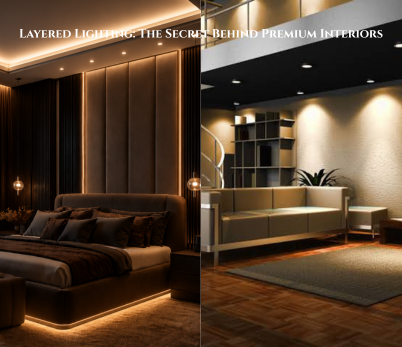
Layering ambient, task, and accent lighting creates more depth.
Mistake 3: Ignoring Beam Angle
Beam angle determines how widely the light spreads.
A narrow beam can be useful for highlighting artwork or objects, while a wider beam can provide broader illumination.
Mistake 4: Ignoring Glare
A light can be bright but still uncomfortable.
Good lighting design should control glare, especially in living rooms, bedrooms, offices, and areas with screens.
Mistake 5: Selecting Lights Only by Wattage
Wattage tells you about power consumption, not the complete lighting performance.
Look at lumens, CRI, beam angle, colour temperature, glare, efficiency, and light distribution.
Smart Lighting for Residential Projects
Smart home lighting is becoming increasingly popular in modern residential projects.
Smart lighting systems can allow homeowners to:
- Switch lights on and off remotely
- Adjust brightness
- Change lighting scenes
- Schedule lighting
- Control different zones
- Automate selected lighting
For example, a home can have different scenes such as:
Morning Mode: Bright and functional lighting
Relax Mode: Soft and warm lighting
Dinner Mode: Focused dining lighting
Movie Mode: Low ambient lighting
Night Mode: Low-level pathway lighting
This makes lighting more flexible and improves the overall experience of the home.
How to Plan Residential Lighting
Before selecting fixtures, create a lighting plan.
Step 1: Understand the Space
Look at the room size, ceiling height, furniture placement, wall finishes, and architectural features.
Step 2: Identify Activities
Ask what will happen in each area.
Will people read, cook, work, relax, eat, or entertain guests?
Step 3: Select Lighting Layers
Combine ambient, task, and accent lighting based on the room's requirements.
Step 4: Select Colour Temperature
Choose the colour temperature according to the mood and function of the space.
Step 5: Plan Beam Angles
Use suitable beam angles for general illumination and focused highlighting.
Step 6: Control Glare
Position fixtures carefully and select suitable optics to maintain visual comfort.
Step 7: Consider Energy Efficiency
Choose efficient LED solutions and avoid unnecessary lighting.
Step 8: Use Lighting Simulation
For larger residential projects, a 3D lighting simulation can help visualize how the lighting will look before installation.
This can help identify issues with brightness, shadows, beam direction, and overall lighting balance before the project reaches the installation stage.
Residential Lighting Trends
Modern homeowners are moving towards lighting designs that combine aesthetics, comfort, and technology.
Some popular residential lighting trends include:
- Minimalist recessed lighting
- Trimless downlights
- Magnetic track lighting
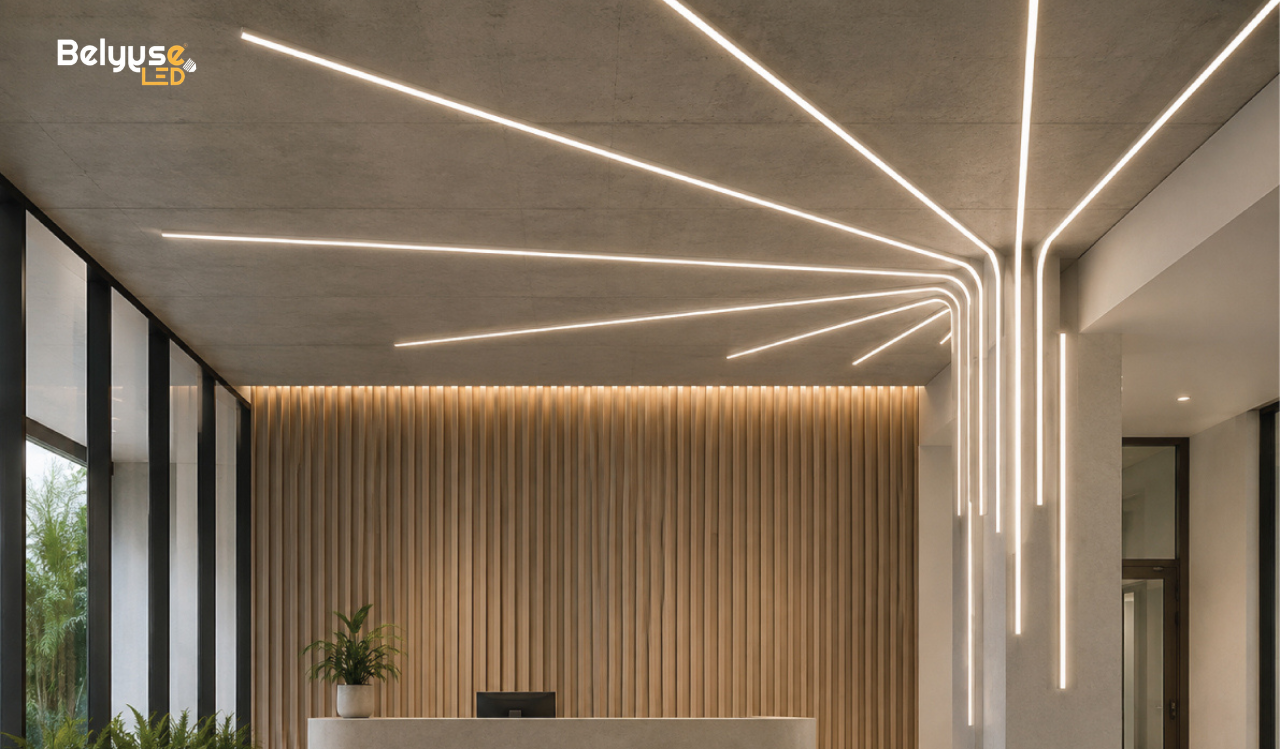
- Linear lighting
- Cove lighting
- Smart lighting systems
- High-CRI LED lighting
- Decorative pendant lights
- Statement chandeliers
- Architectural accent lighting
- Automated lighting controls
The trend is moving away from simply making a room bright. Modern residential lighting focuses on creating the right lighting experience.
Final Thoughts
Residential lighting is an important part of modern interior design. The right lighting can make a home more comfortable, functional, attractive, and energy efficient.
Instead of selecting lights at the final stage of construction, lighting should be considered during the design process.
A successful residential lighting design combines the right fixtures, colour temperature, beam angle, brightness, CRI, controls, and placement.
Whether you are designing a new home, renovating an existing property, or planning a luxury residential project, thoughtful lighting can transform the entire space.
Good interiors create the space. Good lighting brings it to life.