
LED Flexible Linear Profile: Uses, Types and Installation Ideas for Homes and Commercial Spaces
Most rooms are not built from perfect right angles. There are arched entryways, rounded reception desks, coved ceilings and pillars that refuse to behave. Rigid light fixtures cut straight lines through all of that, and the result often looks forced.
An LED flexible linear profile is the fix for these awkward spaces. It bends with the architecture instead of fighting it, and it gives you one clean ribbon of light instead of a row of bright dots. This guide explains how these profiles work, which types suit which jobs, and how to install them so the finished result looks designed rather than improvised.
So, What Exactly Is It?
An LED flexible linear profile is a bendable housing that holds an LED strip and covers it with a light-diffusing layer. The housing is typically silicone, PVC or a flexible polymer, and some versions pair a pliable body with a metal backing for better heat control.
Why not just stick a bare LED strip on the wall? Because a bare strip has three problems. You can see every individual LED, the strip is exposed to dust and knocks, and there is nothing keeping it in a tidy, consistent line. The profile solves all three. It hides the dots, protects the circuitry and holds the shape you’ve chosen.
When Flexible Beats Rigid
Rigid aluminium channels are still the right answer for long, straight runs such as under-cabinet lighting or a straight ceiling cove. But a flexible profile makes more sense when:
- The surface is curved, arched or round
- You want waves, circles or freeform shapes
- Corner connectors would break the continuity of the glow
- The space is tight and cutting angled joints isn’t practical
- You are retrofitting and need something adaptable
A useful rule of thumb: if you find yourself planning to join five short rigid pieces to approximate a curve, a flexible profile will almost certainly look better and install faster.
The Main Types, and Who They’re For
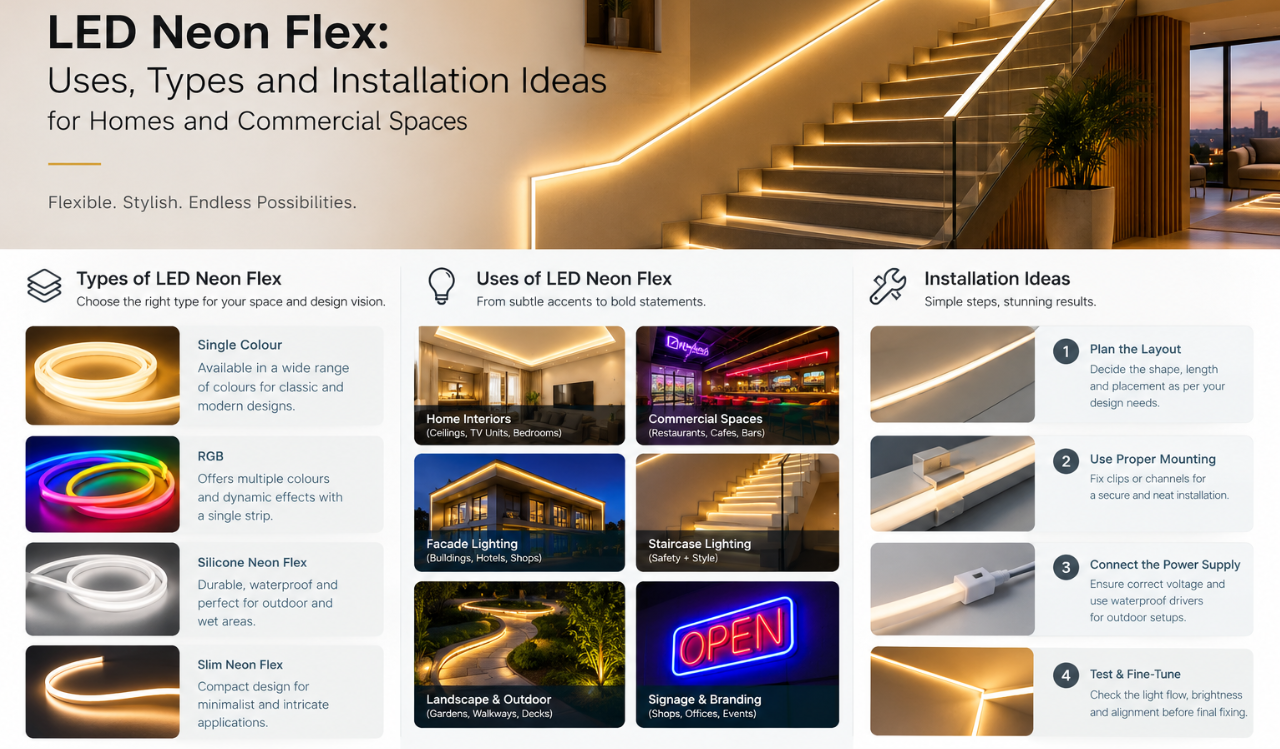
Silicone neon-style profiles. These have a fully enclosed, soft body that glows evenly, much like traditional neon but without glass or high voltage. They suit logos, lettering, decorative wall art and shelf edges. Many versions are water-resistant, so bathrooms and outdoor features are possible too.
Flexible profiles with a heat-spreading base. If you’re running powerful strips over long distances, heat becomes a real concern. Profiles with a metal or thermally conductive backing carry that heat away and protect the LEDs over time. These are a smart pick for large coves and wall-washing.
Surface-mounted flexible profiles. These sit on top of the finished surface, which makes them ideal for rentals, renovations and anywhere you can’t chisel into walls. They are also simple to swap out later.
Recessed or plaster-in flexible profiles. These sink into drywall, plaster or joinery so only the light is visible. Hotels, showrooms and premium homes favour this approach because there is no visible hardware at all.
Top-bend versus side-bend designs. This catches many first-time installers out. A top-bend profile curves up and down, like going over a hill. A side-bend profile curves left and right across a flat surface, like a road bend. Choosing the wrong one for your layout leads to kinks, ripples and uneven light, so match the bend direction to your design before you order.
Where They Shine in Homes
Living rooms. A curved cove along the ceiling edge washes light upward and makes the room feel taller. Behind a wall-mounted TV, a soft halo reduces eye strain during late-night viewing.
Bedrooms. A thin line behind a headboard or around a round mirror creates a gentle glow that feels calm rather than clinical. Warm white tones work best here.
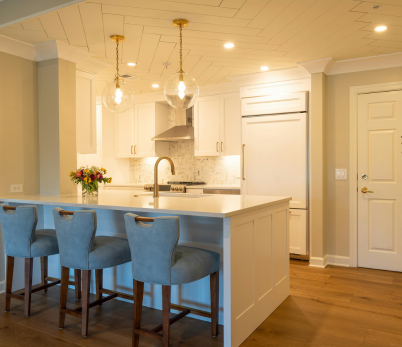
Kitchens. Under-cabinet and counter-edge lighting gives you proper task light for chopping and cooking. On a rounded island, a flexible profile follows the curve with no awkward gaps.
Staircases. Lighting the edge of steps or the underside of a handrail is both a safety feature and a style statement, especially on curved or spiral stairs.
Bathrooms. A water-resistant silicone profile around a vanity mirror or inside a shower niche adds a spa-like feel. Check the IP rating before buying.
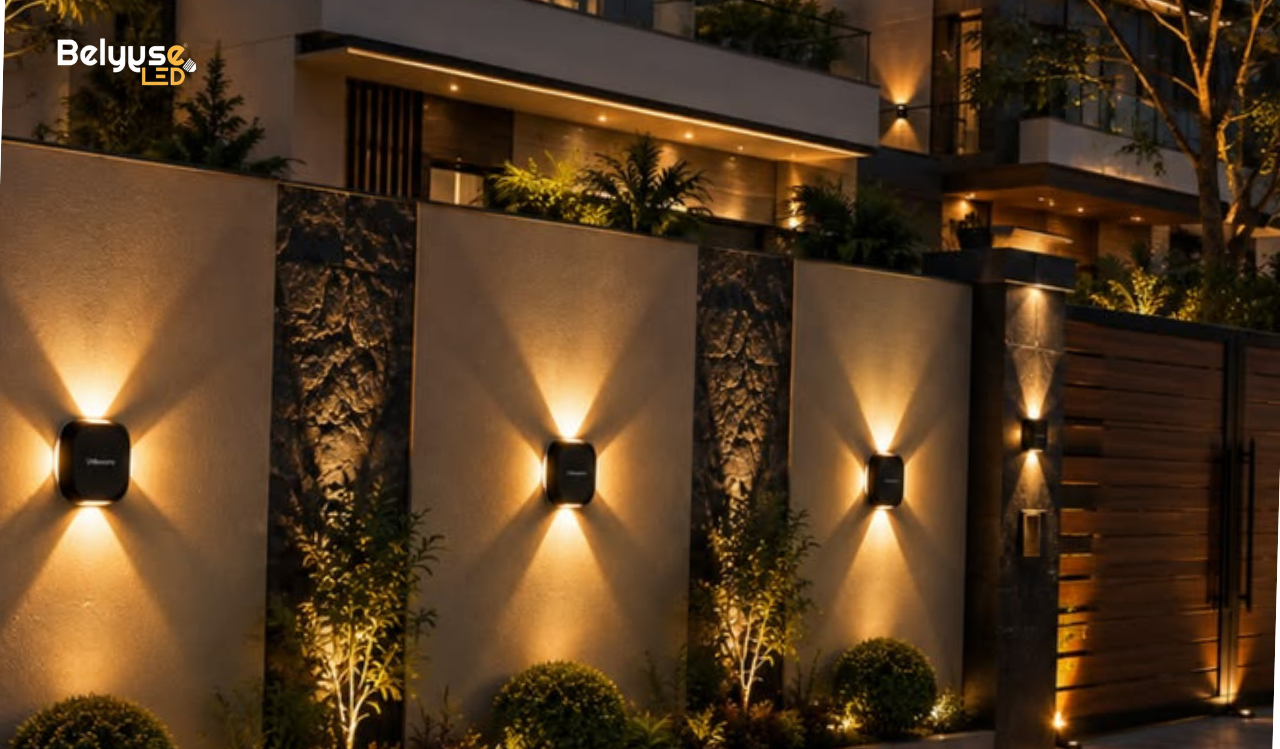
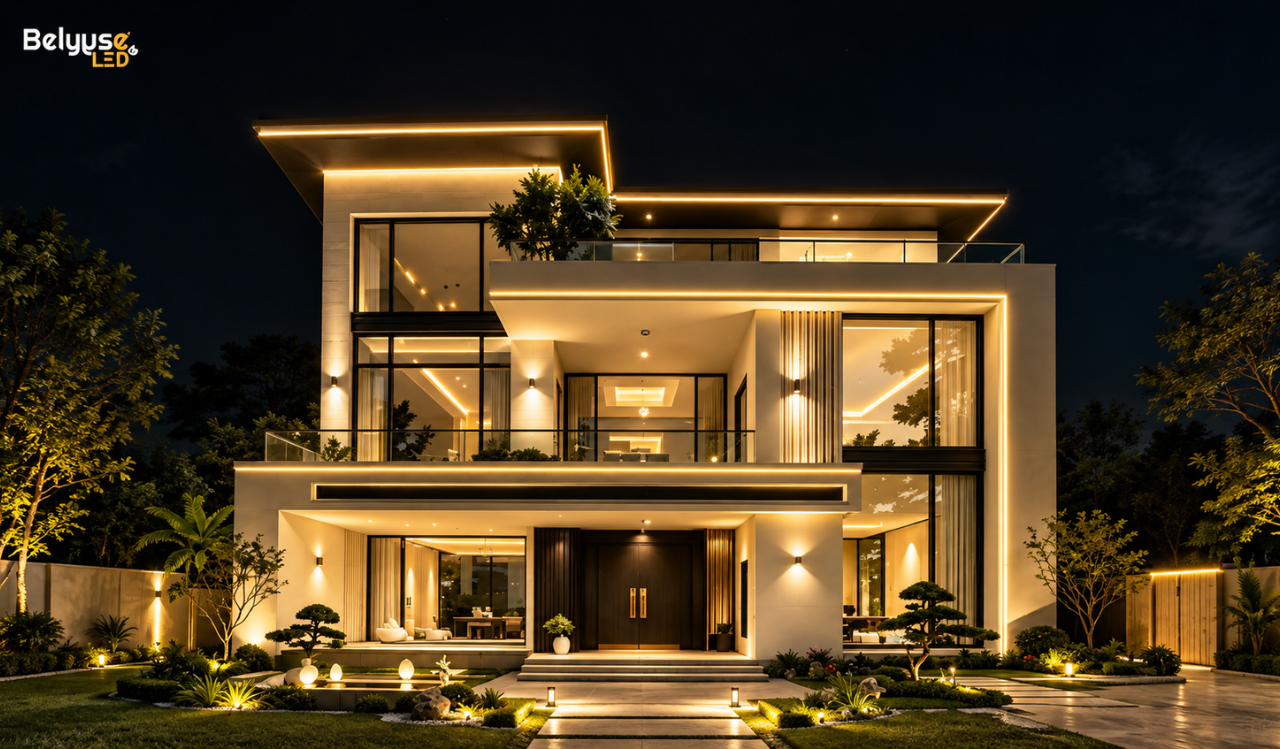
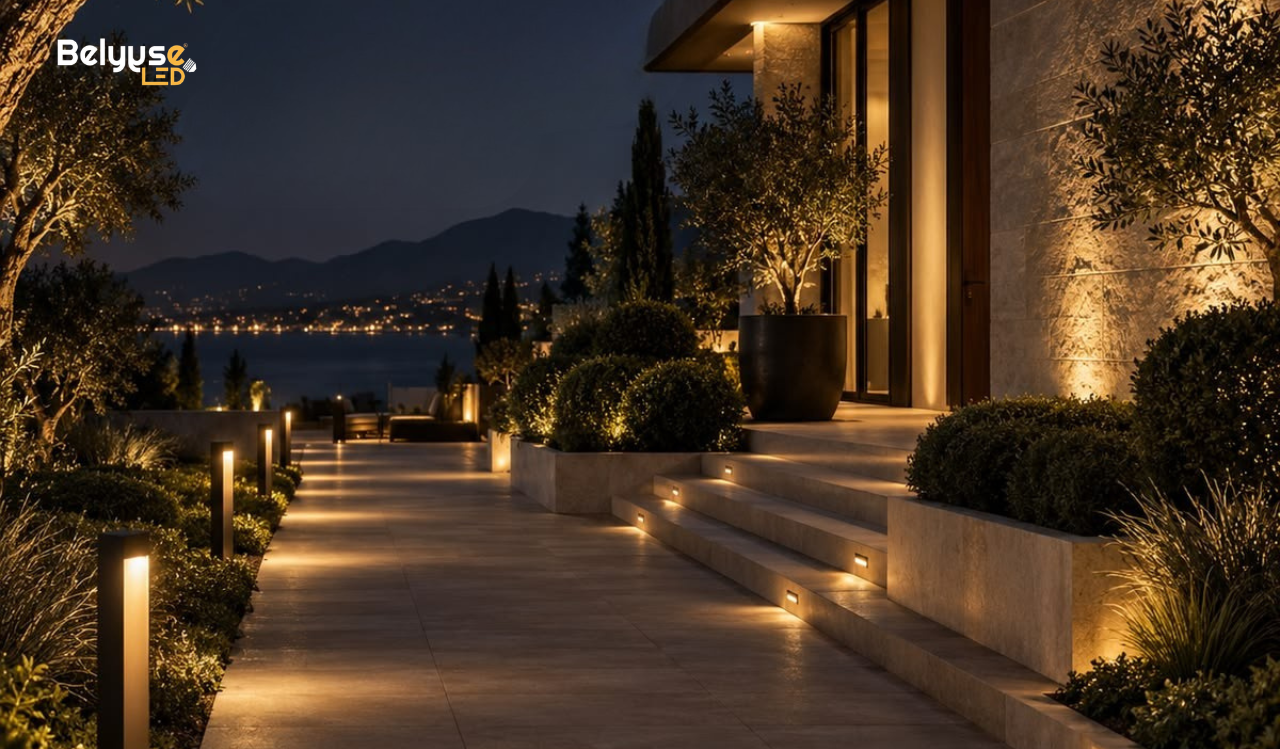
Gardens and patios. Curved seating walls, planter edges, pergola beams and pathways all benefit from weather-rated flexible lighting.
Where They Shine in Commercial Spaces
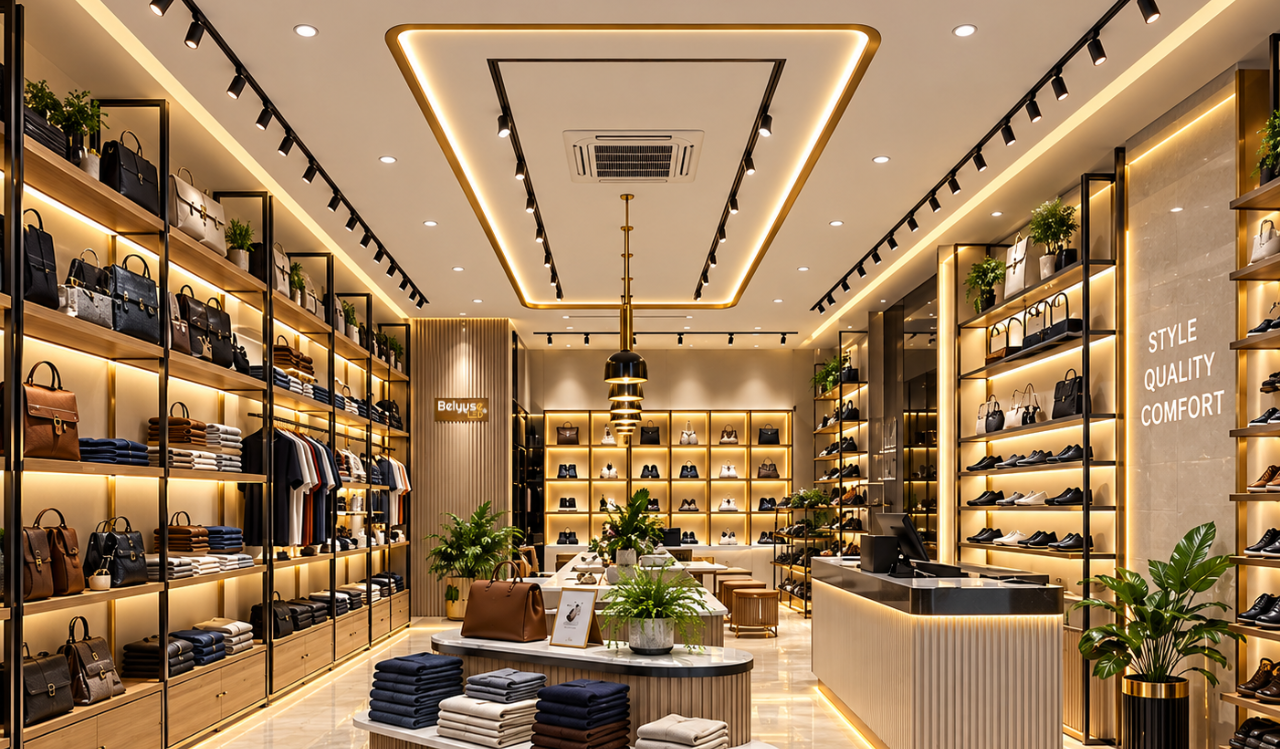
Retail. Light does the quiet work of directing attention. A glowing line along a curved display plinth or shelf edge pulls customers toward products, and consistent colour rendering keeps merchandise looking true to life.
Restaurants and cafés. Ceiling arcs, bar fronts and booth outlines build atmosphere. Dimmable warm white lets you shift from a bright lunch crowd to an intimate dinner service.
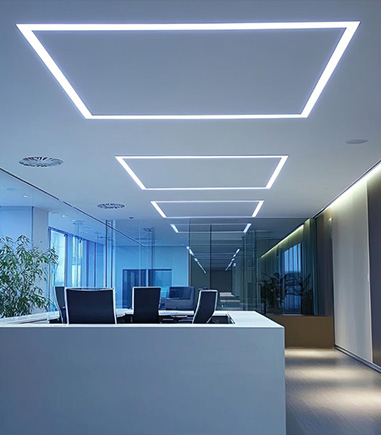
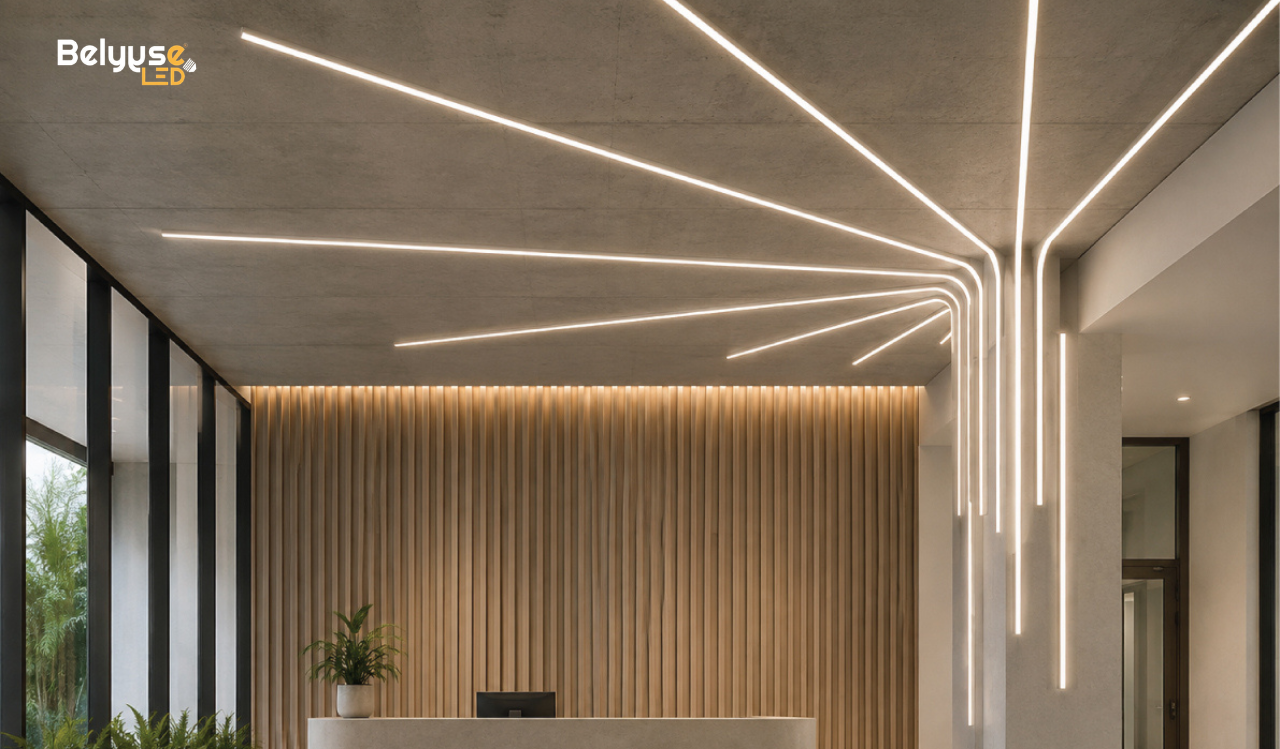
Offices. A slim, continuous glow behind the reception desk gives visitors an instant sense of order and professionalism. Run the same line along corridors and feature walls, and the soft, diffused light adds structure to the space without bouncing glare onto monitors.
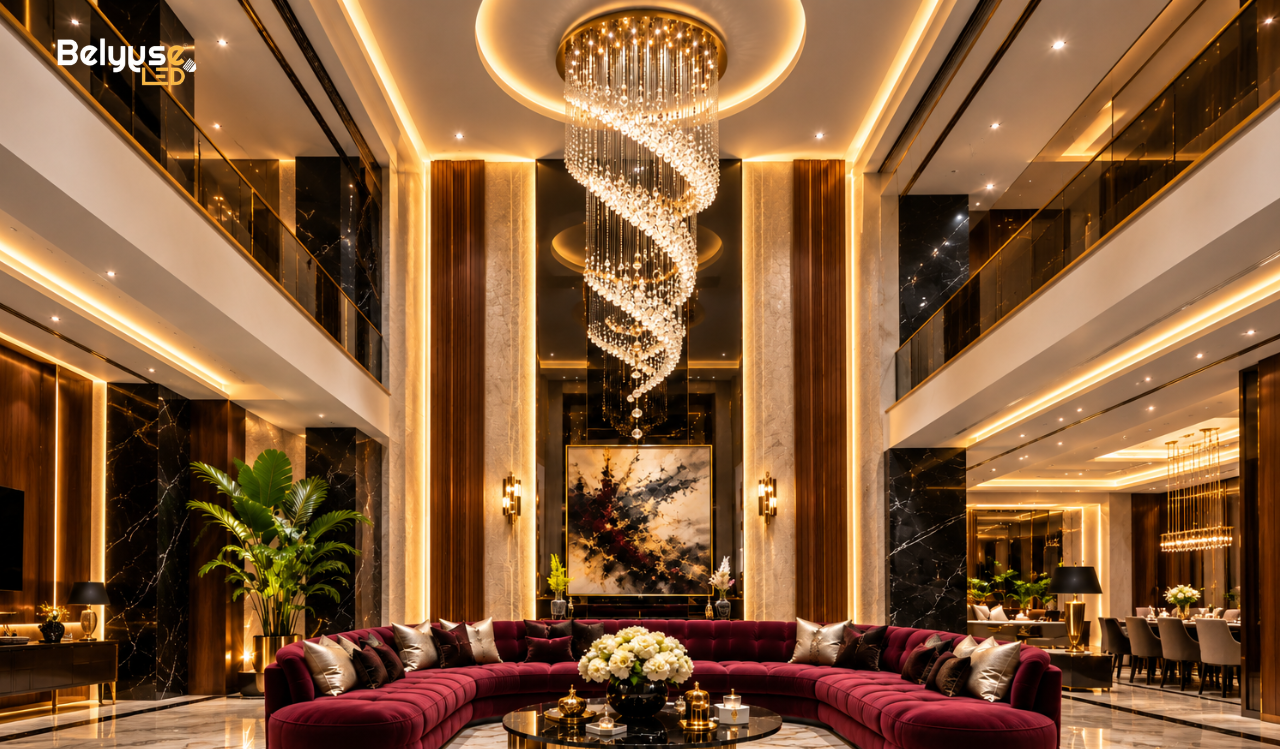
Hospitality. Guests judge a hotel within seconds of walking in, and sweeping curves lit by soft, layered light make those seconds count. Flexible profiles trace lobby arches, lounge ceilings and spa walls with a smooth glow that feels luxurious rather than loud. Flexible profiles let designers highlight pillars, ceiling domes and wall sculptures without clutter.
Exhibitions and showrooms. Reconfigurable shapes frame products and stand designs, then come down easily when the event changes.
Signage. Neon-style silicone profiles can be shaped into logos and words that are lighter, safer and tougher than glass.
Installation Ideas Worth Stealing
- The floating effect. Mount a profile along the underside of a bed frame, TV console or sideboard. The glow bounces off the floor and the furniture seems to hover.
- A wave on the wall. Run a single gentle S-curve across a feature wall.
- Halo mirrors. Wrap a round or arched mirror in a ring of light for flattering, shadow-free illumination.
- Arch outlines. Trace doorways, alcoves and arches so the architecture becomes the decoration after dark.
- Backlit niches. Line the inside of shelves and recesses so books, ceramics or products appear to glow from within.
- Stepped ceilings. Hide a profile in the step of a tray ceiling to get a floating, borderless ceiling look.
Installing It Properly: A Practical Walkthrough
Start with a drawing. Sketch the route, measure it twice and decide where the driver and power supply will sit. Keep the driver accessible for future servicing.
Pick your colour temperature with intent. Around 2700K to 3000K feels warm and inviting for living spaces and restaurants. About 4000K feels crisp and works for kitchens and offices. Anything at 5000K or above suits workshops, labs and display areas where clarity matters. For retail, look for a high colour rendering index so fabrics, food and skin tones look natural.
Mind the voltage. Long runs lose brightness toward the far end, a problem called voltage drop. Using 24V rather than 12V helps, and feeding power from both ends of a long run keeps the light even.
Prepare the surface. Dust, paint residue and grease will ruin adhesive grip. Clean, dry and, where needed, lightly prime the area first.
Test before you fix. Lay everything out and power it up before committing. It takes two minutes and can save an hour of rework.
Respect the bend radius. Every profile has a minimum curve it can handle. Push past it and you risk cracking the diffuser or stressing the strip inside. Check the product datasheet and bend gradually.
Fix it firmly. Use clips or the supplied mounting method at regular intervals so the shape doesn’t sag over time.
Seal and finish. Fit end caps and cable entries properly, particularly in humid or outdoor settings.
Add control. A dimmer or smart controller turns one installation into many moods. It also lets you tone things down if the light feels too bright at night.
Mistakes That Show Up Later
- Forcing a tight bend that quietly damages the strip
- Mixing batches or colour temperatures on the same continuous line, which shows up as visible colour shifts
- Choosing a clear diffuser when you wanted a smooth look, so the dots remain visible
- Running a high-output strip in a poorly ventilated channel
- Maxing out the driver instead of leaving some spare capacity, which reduces its lifespan
Keeping It Looking Good
Maintenance is minimal. Wipe the diffuser with a soft cloth, check connections and end caps occasionally, and watch for yellowing or dimming, which can indicate heat or power issues worth investigating early.
Why Belyyseled for Your Lighting Project
A good profile is only as good as the strip, driver and planning around it. Belyyseled focuses on LED lighting for real interiors, from curved residential features to demanding commercial fit-outs. Matching the right profile type, light output and controls to your space is what separates lighting that simply switches on from lighting that shapes how a room feels.
Quick Answers to Common Questions
Can I cut a flexible profile to length?
Most can be trimmed, but cut the profile and strip together at the marked points and seal the end properly.
Are they safe for wet areas?
Models with an appropriate IP rating are built for bathrooms and outdoor use. Always confirm the rating for your specific location.
Do they run hot?
LEDs run far cooler than halogen or incandescent lighting, but high-output setups still need good heat management.
Can they change colour or dim?
Yes, with compatible drivers and controllers you can dim, adjust white tones or run colour effects.
How long will they last?
Well-specified, correctly installed systems can run for tens of thousands of hours.
Final Thoughts
Great lighting does not announce itself. It makes a curve look intentional, a ceiling feel taller and a product look better. An LED flexible linear profile gives you that control, even in spaces that traditional fixtures struggle with. Plan the layout, choose the right profile type and invest in quality components, and the result will look polished for years. To start your next project, explore the flexible linear lighting range from Belyyseled.