

How to Choose the Right Wattage Without Overlighting Your Space
Choose Smart Lighting, Not Just Brighter Lighting
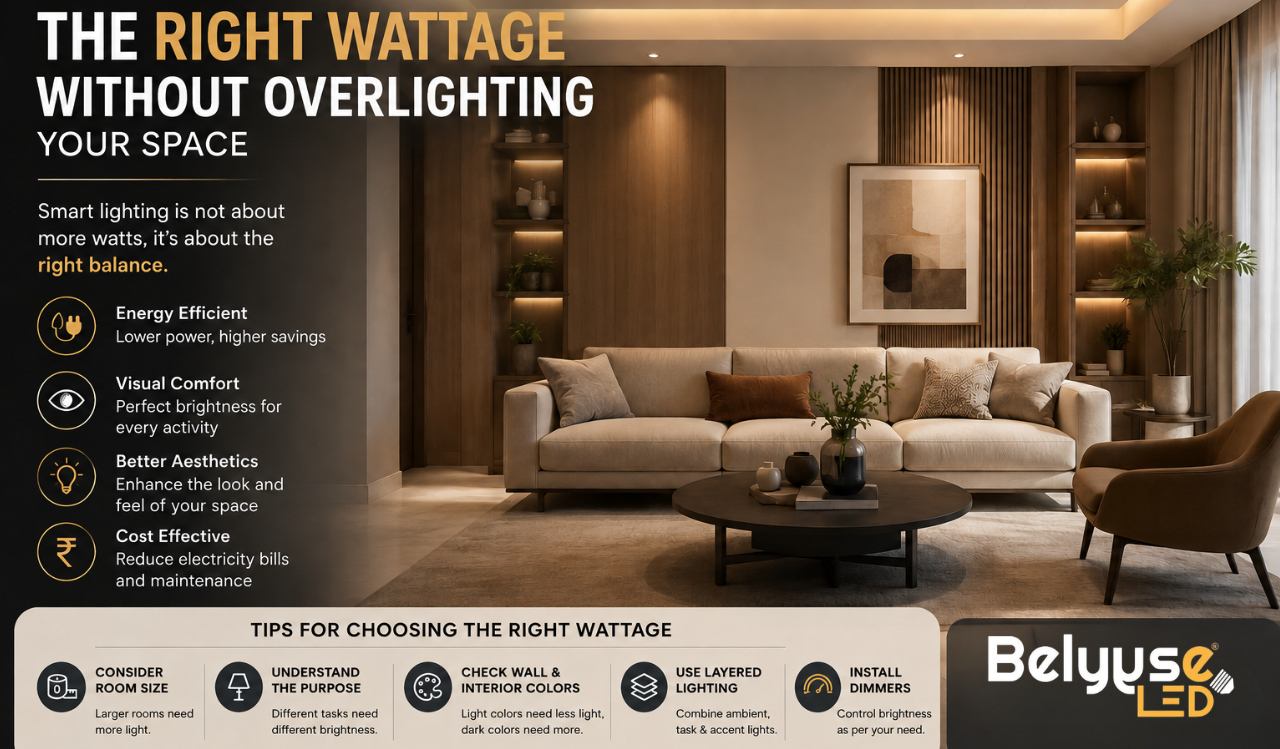
Many people believe that a higher wattage light will always give better brightness. This is one of the biggest lighting mistakes in homes and commercial buildings. Using more wattage than required can make a space uncomfortable, increase electricity bills, and reduce the overall beauty of the interior.
Whether you are an architect, builder, contractor, interior designer, or homeowner, choosing the correct wattage is an important part of every lighting plan. The right lighting creates comfort, improves visibility, and makes every space look its best.
At BelyyseLED, we believe that successful lighting is not about installing more lights-it's about using the right light in the right place.
What Does Wattage Mean?
Wattage measures how much electricity a light consumes.
Modern LED lights use much less power while producing excellent brightness. That is why today's lighting design focuses more on lumens, not just watts.
Simple Example
8W LED = Around the brightness of a traditional 60W bulb
- 12W LED = Brighter while still saving energy
- 18W LED = Suitable for larger spaces
Installing lights with higher wattage than required may seem like a safe choice, but it often creates several problems.
Overlighting can cause:
- Eye strain and visual discomfort
- Strong glare on walls, floors, and furniture
- Higher electricity consumption
- Unbalanced room appearance
- Unnecessary installation costs
Professional lighting is about achieving the perfect balance between brightness and comfort.
Think About Lumens Instead of Watts
For example:
- A 10W LED may produce over 1000 lumens.
- An older bulb may need 60W or more to provide similar brightness.
This is why LED lighting has become the preferred choice for modern homes and commercial projects.
Choose Wattage Based on the Room
Every room has different lighting needs.
Living Room
A living room should feel warm, comfortable, and inviting. Medium-wattage LED lights combined with accent lighting create a relaxing atmosphere.
Bedroom
Bedrooms require soft lighting that helps people unwind. Lower-wattage warm white LED lights are usually the best option.
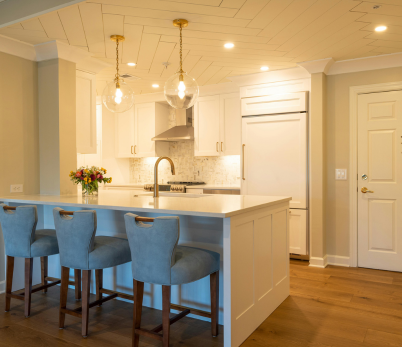
Kitchen
Kitchens need brighter lighting for cooking and food preparation. Use higher lumen LED lights with proper task lighting instead of simply increasing wattage.
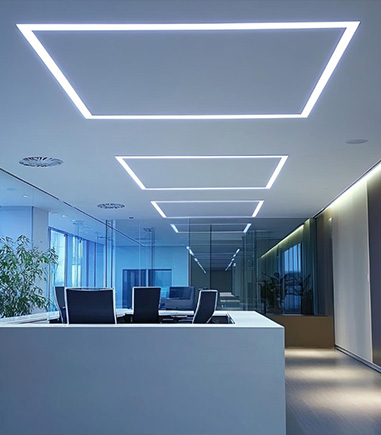
Office
Workspaces need balanced lighting that improves concentration while reducing eye fatigue.
Retail Stores and Showrooms
Good lighting helps products appear more attractive. A combination of the correct wattage and high CRI LED lighting gives customers a better shopping experience.
Room Size Also Matters
A larger room naturally requires more total light than a smaller room.
Instead of using one very powerful light, it is usually better to install multiple LED fixtures that spread light evenly across the space.
This creates:
- Better light distribution
- Fewer dark corners
- Less glare
- More comfortable interiors
Select the Right Color Temperature
Brightness alone does not define good lighting.
The color temperature also changes how a room feels.
- 2700K–3000K: Warm lighting for homes, bedrooms, hotels, and restaurants.
- 4000K: Neutral lighting for offices, kitchens, and commercial areas.
- 5000K–6500K: Bright white lighting for warehouses, factories, hospitals, and industrial spaces.
Choosing the right color temperature improves both comfort and functionality.
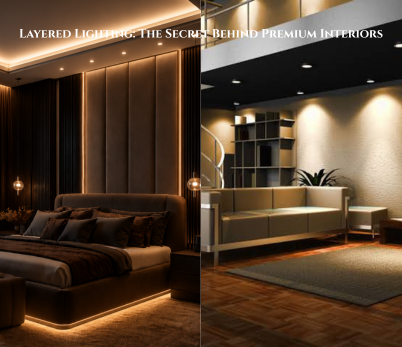
Use Layered Lighting Instead of Higher Wattage
One powerful light cannot do every job.
Professional lighting designers combine different lighting layers:
- Ambient lighting for overall brightness
- Task lighting for work areas
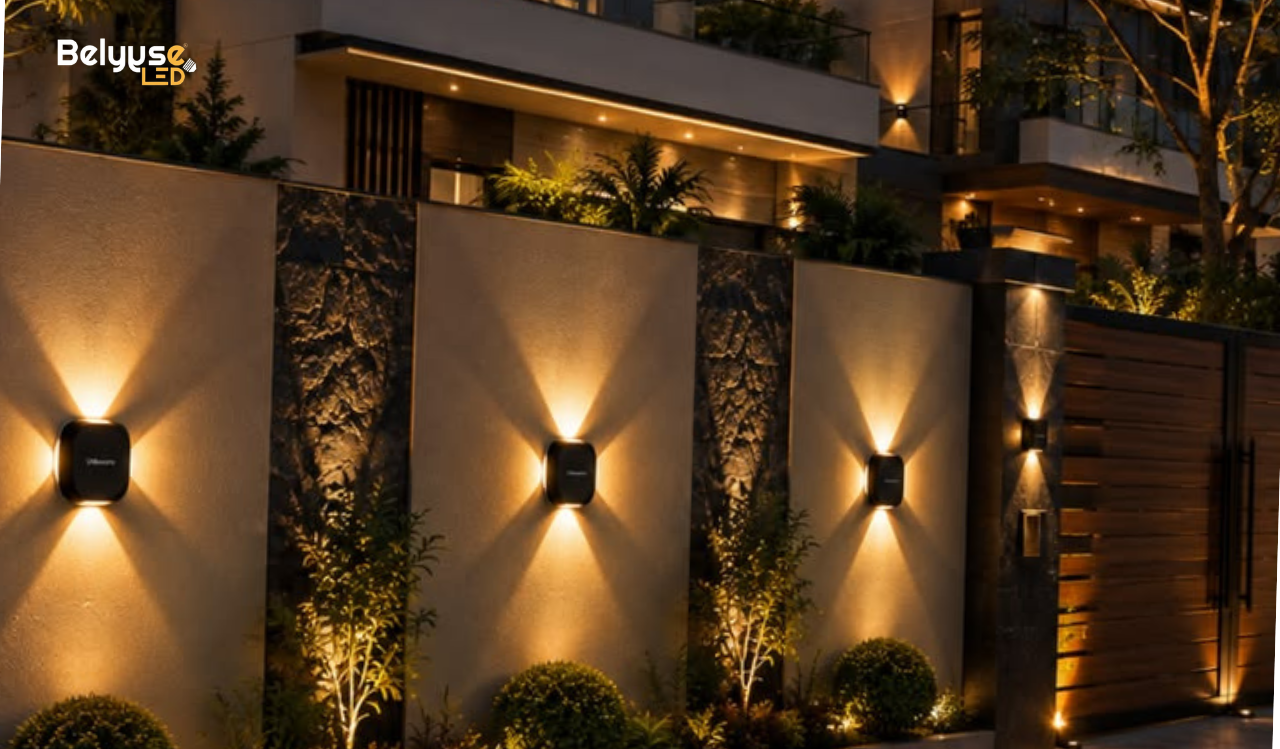
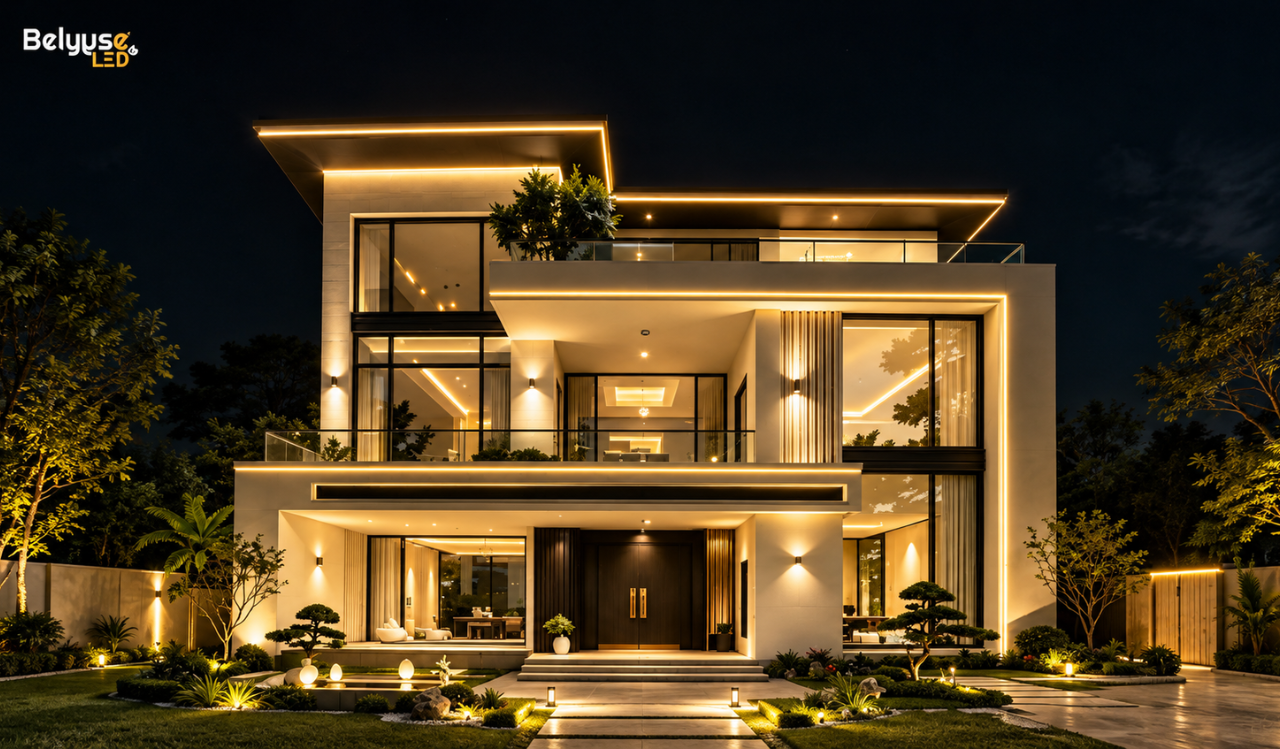
- Accent lighting to highlight architectural details
- Decorative lighting for visual appeal
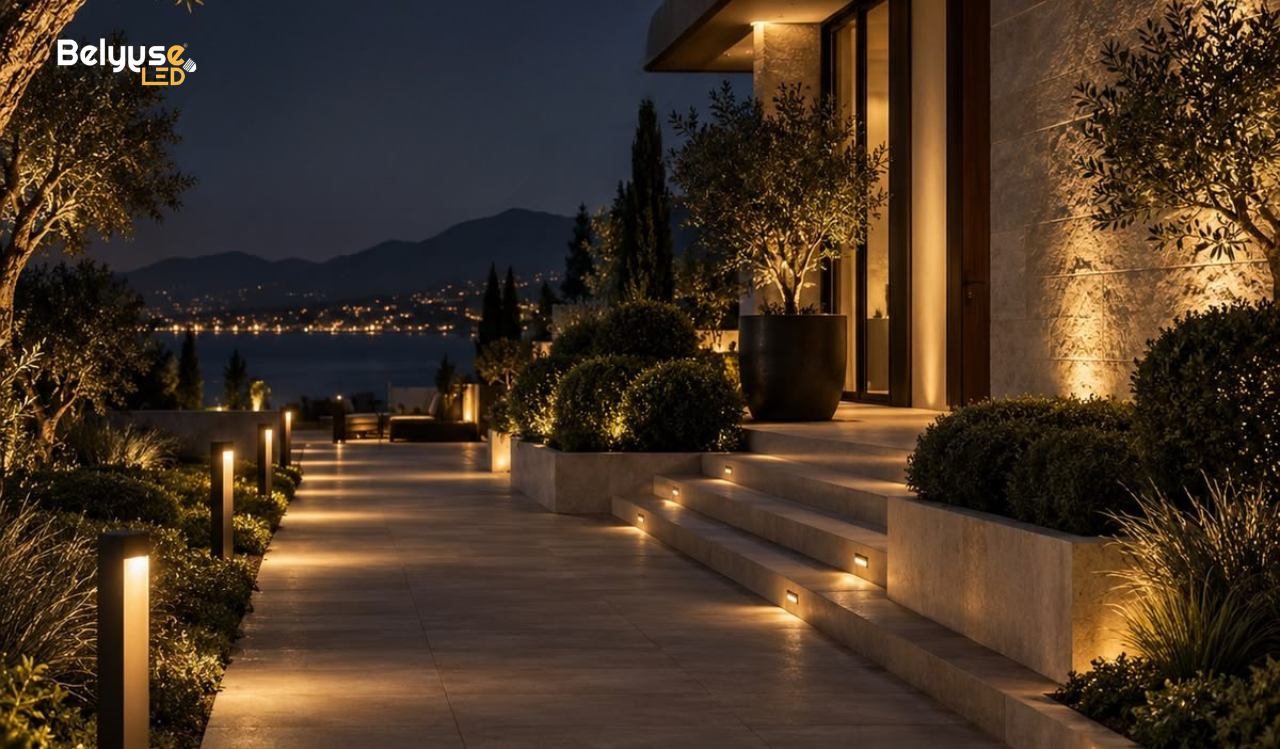
This approach creates beautiful interiors without excessive brightness.
Common Lighting Mistakes to Avoid
Many projects experience lighting issues because of simple planning mistakes.
Avoid these common errors:
- Choosing lights based only on wattage
- Ignoring lumen ratings
- Using the same brightness in every room
- Installing too many ceiling lights
- Forgetting accent lighting
- Selecting the wrong color temperature
- Ignoring professional lighting design
Why Professional Lighting Design Matters
A professional lighting plan considers much more than wattage.
It includes:
- Room dimensions
- Ceiling height
- Interior finishes
- Natural daylight
- Furniture placement
- Purpose of the space
- Energy efficiency
- Visual comfort
This ensures every area receives the right amount of light without wasting energy.
Why Choose BelyyseLED?
At BelyyseLED, we provide complete lighting solutions-not just lighting products.
Our team works closely with architects, builders, contractors, developers, and homeowners to create lighting layouts that improve aesthetics, functionality, and energy efficiency.
Our services include:
- Architectural lighting design
- Residential lighting solutions
- Commercial lighting solutions
- 3D lighting simulation before installation
- Energy-efficient LED lighting recommendations
- Premium indoor and outdoor lighting solutions
With proper planning, you can achieve the perfect lighting balance while avoiding unnecessary power consumption.
Final Thoughts
Selecting the right wattage is not about choosing the biggest number. It is about understanding how much light a space actually needs.
By focusing on LED lighting, lumens, room size, color temperature, and professional lighting design, you can create spaces that are comfortable, energy-efficient, and visually impressive.
Whether you are designing a luxury home, office, retail store, hotel, or commercial building, choosing the correct wattage will improve both the appearance and performance of your lighting system.
If you are planning your next lighting project, BelyyseLED can help you design the perfect lighting solution that delivers the right brightness without overlighting your space.