
Lighting is more than just a way to make a room visible. The right lighting can influence how comfortable, alert, relaxed, and focused people feel in a space. From homes and offices to retail stores, hotels, restaurants, and commercial buildings, lighting design plays an important role in creating the right atmosphere.
At BelyyseLED, we believe lighting should do more than illuminate a space. A well-designed lighting solution should support the way people live, work, relax, and interact with their surroundings.
Research on workplace lighting shows that light can influence alertness, mood, sleep-related rhythms, visual comfort, and cognitive performance. However, the effect depends on factors such as brightness, colour temperature, timing, daylight exposure, and glare.
Why Does Lighting Affect Human Mood?
Our body responds to light not only through vision but also through biological processes. Light entering the eyes provides signals that help regulate the body's circadian rhythm, which is closely connected with the sleep-wake cycle.
This means the lighting environment around us can influence how awake or relaxed we feel.
For example:
- Brighter daytime lighting can support alertness.
- Warm lighting can create a calm and relaxing atmosphere.
- Poorly planned lighting can cause glare, visual discomfort, and fatigue.
- Excessive bright or cool light at night can interfere with the body's natural sleep-related processes.
This is why modern human-centric lighting is increasingly considered in residential and commercial lighting design.
The Connection Between Lighting and Productivity
Productivity is not simply about how many hours someone spends working. Comfort, concentration, alertness, visual clarity, and fatigue can all affect the working experience.
A well-designed office lighting system can help create an environment where people can comfortably read documents, work on computers, attend meetings, design, communicate, and perform detailed tasks.
Research has found that lighting conditions can affect mental workload, comfort, mood, and productivity. One experimental study found that both illuminance and colour temperature influenced comfort and relaxation, while productivity was highest under particular combinations of illuminance and melanopic light exposure.
However, there is no single lighting setting that is perfect for every activity. Research comparing different colour temperatures found that the preferred lighting condition can vary depending on whether the priority is comfort, mood, alertness, or task performance.
1. Brightness and Its Effect on People
The amount of light in a room is known as illuminance, commonly measured in lux.
Too little light can make a space feel dull and may make detailed visual tasks more difficult. On the other hand, excessive brightness or poorly controlled light can create glare and discomfort.
The ideal lighting level depends on:
Type of activity
- Room size
- Surface finishes
- Daylight availability
- Age of occupants
- Screen usage
- Task requirements
- Direction of light
Recent research continues to show that illuminance and colour temperature should be considered together rather than selecting either one independently.
For BelyyseLED, this means lighting design starts with understanding how the space will be used, rather than simply deciding how many lights should be installed.
2. Colour Temperature Can Change the Feel of a Space
One of the most important terms in modern LED lighting is Colour Correlated Colour Temperature (CCT).
It is measured in Kelvin (K).
Warm White – Around 2700K–3000K
Warm white lighting adds a cozy, inviting glow that makes any space feel relaxed and welcoming.
It works well for:
- Bedrooms
- Living rooms
- Restaurants
- Hotel rooms
- Lounges
- Relaxation areas
- Decorative lighting
Warm lighting can make interiors feel more welcoming and intimate. A 2025 workplace study found that warm, dim lighting around 3000K was associated with lower stress measures in its experimental conditions.
Neutral White – Around 3500K–4500K
Neutral white provides a balanced appearance without feeling too yellow or too blue.
It can be suitable for:
- Offices
- Homes
- Retail stores
- Reception areas
- Showrooms
- Commercial interiors
Cool White – Around 5000K–6500K+
Cooler light can create a brighter and more energetic visual environment.
It may be useful for:
- Work areas
- Workshops
- Certain commercial spaces
- Detailed visual tasks
- Areas requiring higher visual alertness
Research suggests higher-CCT light may improve alertness in some daytime workplace conditions, although evidence on mood is less consistent.
The key is not to use one colour temperature everywhere. The right CCT should match the purpose of the space.
3. Natural Daylight and Human Well-Being
Natural light is one of the most valuable elements in architectural lighting design.
Daylight changes naturally throughout the day, giving interiors a dynamic lighting environment. It can also provide visual connection with the outside environment.
Research involving office workers has linked greater daytime exposure to circadian-effective light with better sleep-related outcomes and some measures of mood.
A recent review of human-centric lighting research also highlights the importance of daylight and building design in supporting visual comfort and circadian health.
How can designers use daylight effectively?
A professional lighting plan can combine:
Natural Light + Artificial Light + Smart Controls
This creates a more flexible environment throughout the day.
For example, artificial lights can support areas that do not receive enough daylight while dimming systems can reduce unnecessary artificial lighting when sunlight is available.
4. Glare Can Reduce Visual Comfort
A beautiful lighting design can still become uncomfortable if glare is not controlled.
Glare occurs when a light source is excessively bright compared with the surrounding visual environment.
Common examples include:
- Bright downlights directly in the field of view
- Exposed LED sources
- Poorly positioned spotlights
- Reflections on computer screens
- Over-bright linear lights
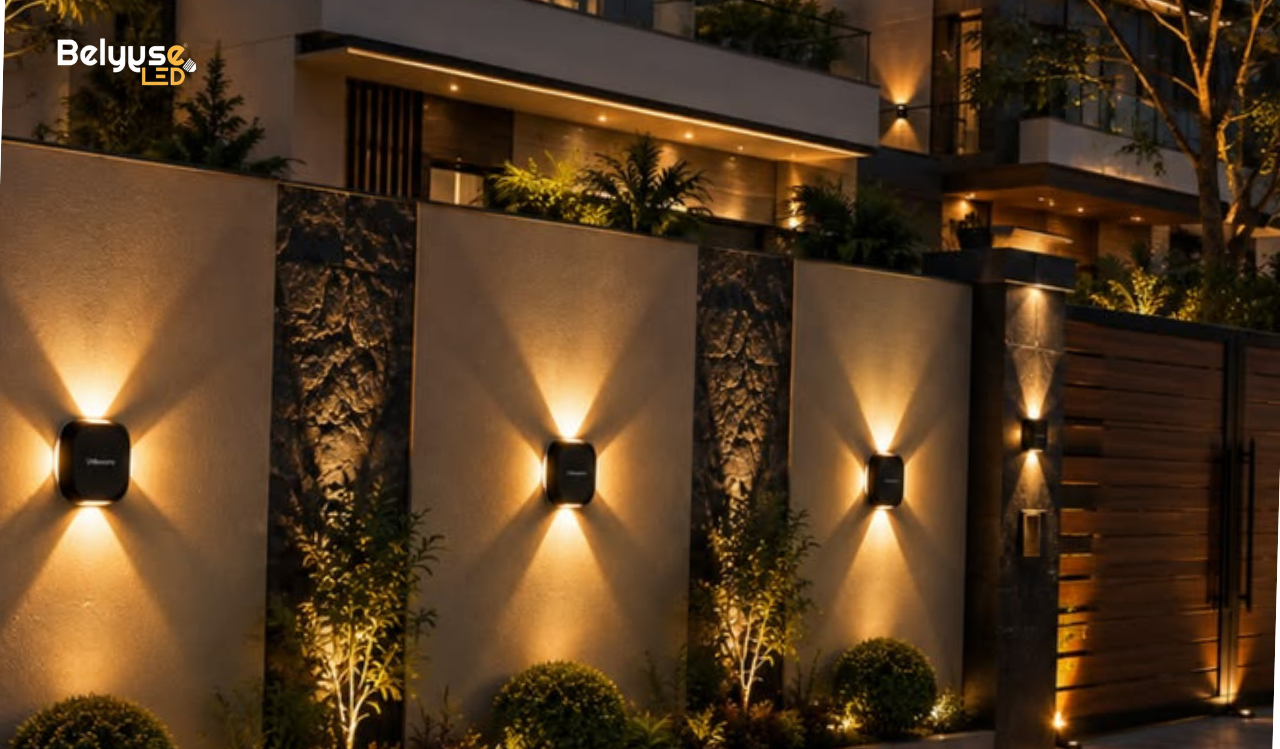
- Incorrectly aimed facade or architectural lights
Glare can affect visual comfort and may contribute to eye discomfort and headaches.
This is why professional LED lighting design should consider not only brightness but also beam angle, mounting height, diffuser selection, optics, positioning, and surface reflection.
5. Lighting and Workplace Concentration
Today’s workspaces need thoughtfully designed lighting that adapts to different tasks, work styles, and activities.
A person may spend the same day:
- Working on a laptop
- Reading documents
- Attending meetings
- Brainstorming
- Presenting to clients
- Making detailed drawings
- Taking a break
Each activity can benefit from a different lighting approach.
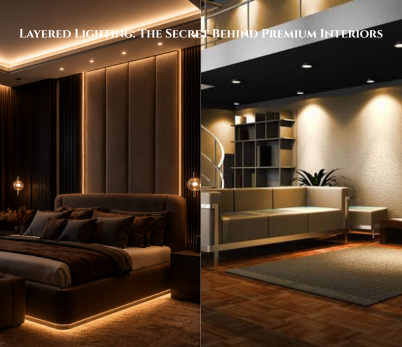
Instead of using one fixed lighting level throughout the office, designers can create layered lighting.
Ambient Lighting
Provides general illumination across the room.
Task Lighting
Provides focused illumination where detailed work is performed.
Accent Lighting
Highlights architectural elements, artwork, branding, or important areas.
Decorative Lighting
Adds visual character and contributes to the overall mood.
Combining these layers can create a more comfortable and flexible office environment.
6. Lighting Design for Different Spaces
Every space has a different purpose, so the lighting strategy should change accordingly.
Residential Lighting
Homes need lighting that supports different moods throughout the day.
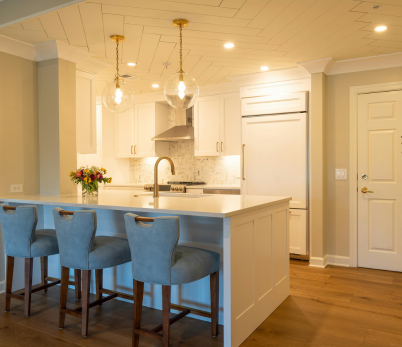
Warm ambient lighting can create a relaxing environment in living rooms and bedrooms, while focused task lighting can support kitchens, study areas, and reading corners.
BelyyseLED can combine:
- Cove lighting
- Profile lights
- COB spotlights
- Decorative lights
- Pendant lights
- Chandeliers
- Sensor lights
- Smart lighting controls
to create a complete residential lighting solution.
Office Lighting
Office lighting should balance productivity, comfort, visual clarity, and energy efficiency.
Good office lighting design may include:
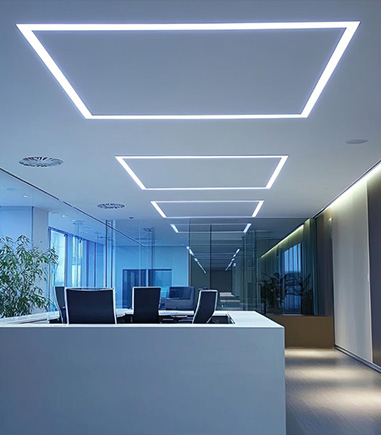
- Linear lighting
- Magnetic track lights
- Downlights
- Task lighting
- Indirect lighting
- Daylight integration
- Smart lighting controls
Recent research suggests adaptive lighting can be useful because lighting needs can change according to the activity and time of day.
Retail and Showroom Lighting
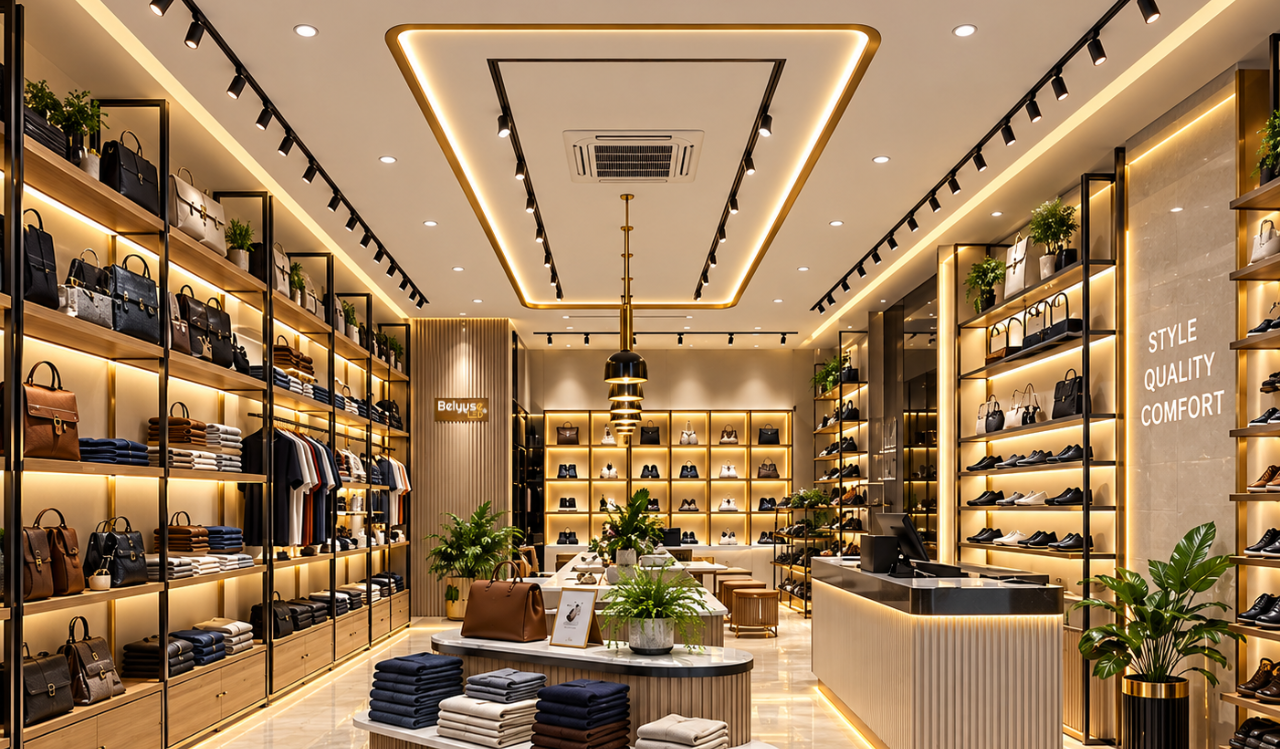
In retail environments, lighting does more than illuminate products.
It can influence how products are perceived and how customers experience the space.
Good retail lighting design can highlight:
- Product displays
- Textures
- Colours
- Feature walls
- Brand areas
- Merchandise
- Architectural details
High-quality light sources with suitable colour rendering can help products appear more natural and attractive.
Hospitality Lighting
Hotels, restaurants, cafes, and resorts need lighting that supports the desired experience.
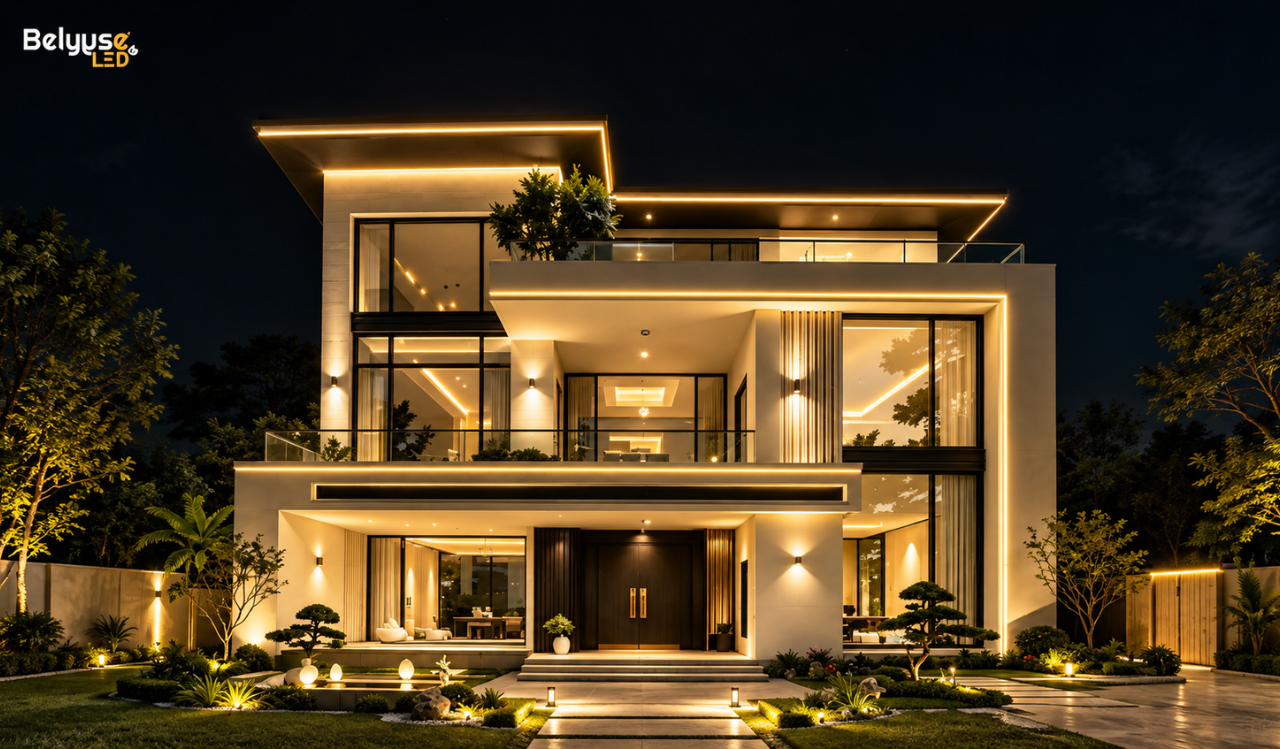
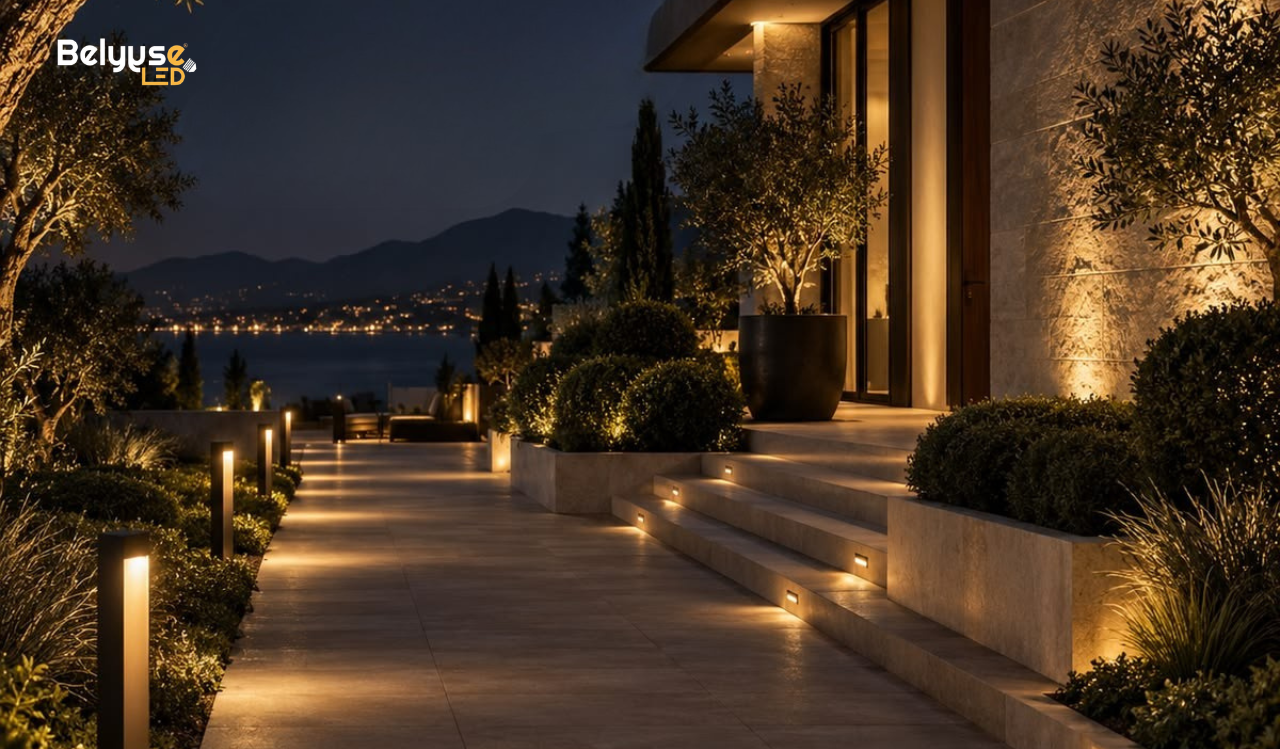
Warm decorative lighting can make dining and hospitality areas feel more intimate, while architectural lighting can highlight facades, landscapes, corridors, reception areas, and architectural features.
Here, architectural lighting design becomes part of the overall guest experience.
7. Why CRI Matters
CRI (Colour Rendering Index) describes how accurately a light source reveals colours compared with a reference light source.
For spaces where colour appearance matters, selecting an appropriate CRI is important.
This can be particularly relevant for:
- Retail stores
- Showrooms
- Homes
- Art galleries
- Hospitality spaces
- Beauty salons
- Healthcare interiors
- Fashion stores
A good lighting design should consider CRI, CCT, brightness, beam angle, glare, and application together.
8. Smart Lighting and Human-Centric Lighting
Technology is changing the way buildings use light.
Smart lighting systems can allow users to control:
- Brightness
- Colour temperature
- Lighting scenes
- Timings
- Motion sensors
- Daylight response
- Individual zones
For example, an office could use brighter, cooler lighting during active work periods and softer lighting during relaxation or presentation areas.
This approach is part of the growing interest in human-centric lighting, where lighting is designed around both visual requirements and human experience.
However, smart lighting should be designed carefully. More technology does not automatically mean better lighting. The system should be easy to use and matched to the actual needs of the occupants.
9. Lighting Is Also About Energy Efficiency
Good lighting design should not only focus on mood and productivity. Energy efficiency is also an important part of modern lighting.
LED lighting already offers significant opportunities for energy-efficient illumination, but the design itself also matters.
Energy consumption can be reduced through:
Efficient LED fixtures
- Proper lighting calculations
- Dimming
- Occupancy sensors
- Daylight sensors
- Smart controls
- Correct fixture placement
- Zoning
- Avoiding unnecessary over-lighting
The goal should not be to install more lights.
The goal is to use the right light in the right place at the right time.
10. How BelyyseLED Approaches Lighting Design
At BelyyseLED, lighting is treated as a complete design solution rather than simply a collection of light fixtures.
Our approach can begin with understanding the space, architectural design, user requirements, and desired atmosphere.
From there, a lighting concept can be developed through:
Space Understanding → 3D Lighting Design → Lighting Selection → Calculations → BOQ → Installation → Final Lighting Experience
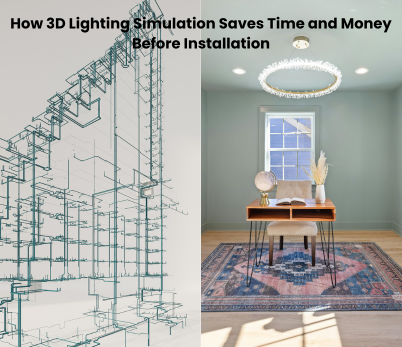
A 3D lighting simulation can help architects, constructors, interior designers, and homeowners visualise how lighting will appear before the project is executed.
This can help identify:
- Dark areas
- Excessive brightness
- Glare
- Incorrect beam directions
- Feature areas
- Accent opportunities
- Fixture positioning
- Overall lighting balance
The result is a more planned and application-focused lighting solution.
The Future of Lighting Is Human-Centred
Lighting is moving beyond the traditional idea of simply making a room bright.
Modern architectural lighting, commercial lighting, residential lighting, and smart lighting solutions increasingly focus on how people experience a space.
The right lighting can help create:
Comfort → Focus → Atmosphere → Visual Quality → Energy Efficiency
But there is no universal lighting formula. Different spaces, activities, users, and times of day require different approaches. Research also shows that lighting outcomes can vary depending on the combination of illuminance, colour temperature, timing, and task.
Final Thoughts
Lighting has the power to change how a space looks and how people experience it.
- A home can feel warmer.
- An office can feel more comfortable.
- A showroom can make products stand out.
- A hotel can create a memorable atmosphere.
- A commercial building can become an architectural landmark.
That is why lighting should be considered from the early stages of a project—not as an afterthought.
BelyyseLED brings design, technology, and lighting expertise together to create lighting solutions designed around the people who use the space.
Illuminate Smarter. Design Better.