
When people walk into a luxury hotel, they notice more than beautiful interiors. They notice how the space feels.
The warm glow in the lobby, the elegant chandelier above the reception, the soft bedroom lighting, and the perfectly illuminated corridors all work together to create one powerful experience.
That is the real purpose of hotel lighting design.
Luxury does not start with expensive furniture or premium materials. Luxury starts with light.
For architects, interior designers, constructors, and property owners, the right lighting design can transform an ordinary hotel interior into a sophisticated, comfortable, and memorable destination.
Why Lighting Is Important in Hotel Design
Lighting is one of the most powerful elements of interior architecture.
A well-designed lighting system can:
- Create a premium and luxurious atmosphere
- Highlight architectural features
- Improve guest comfort
- Enhance interior materials and textures
- Create attractive focal points
- Improve the visual identity of the hotel
- Make spaces look larger and more welcoming
- Support energy efficiency
- Improve photographs and social-media appeal
Poor lighting, on the other hand, can make even an expensive interior look flat, uncomfortable, or unfinished.
This is why hotel lighting solutions should be considered during the early stages of architectural and interior design—not after the interiors are completed.
1. Lobby Lighting: Create a Powerful First Impression
The lobby is the first major experience for a hotel guest.
It should immediately communicate the hotel's identity—whether that is luxury, modern elegance, minimalism, or classic sophistication.
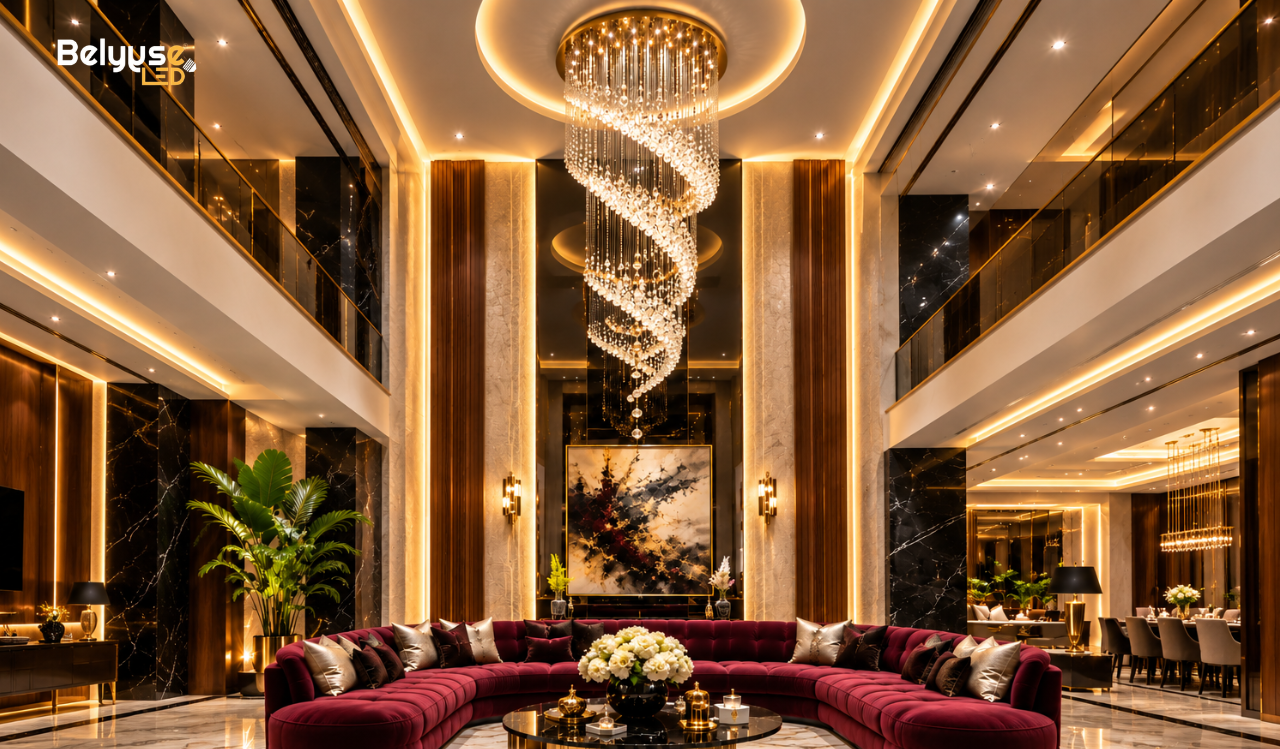
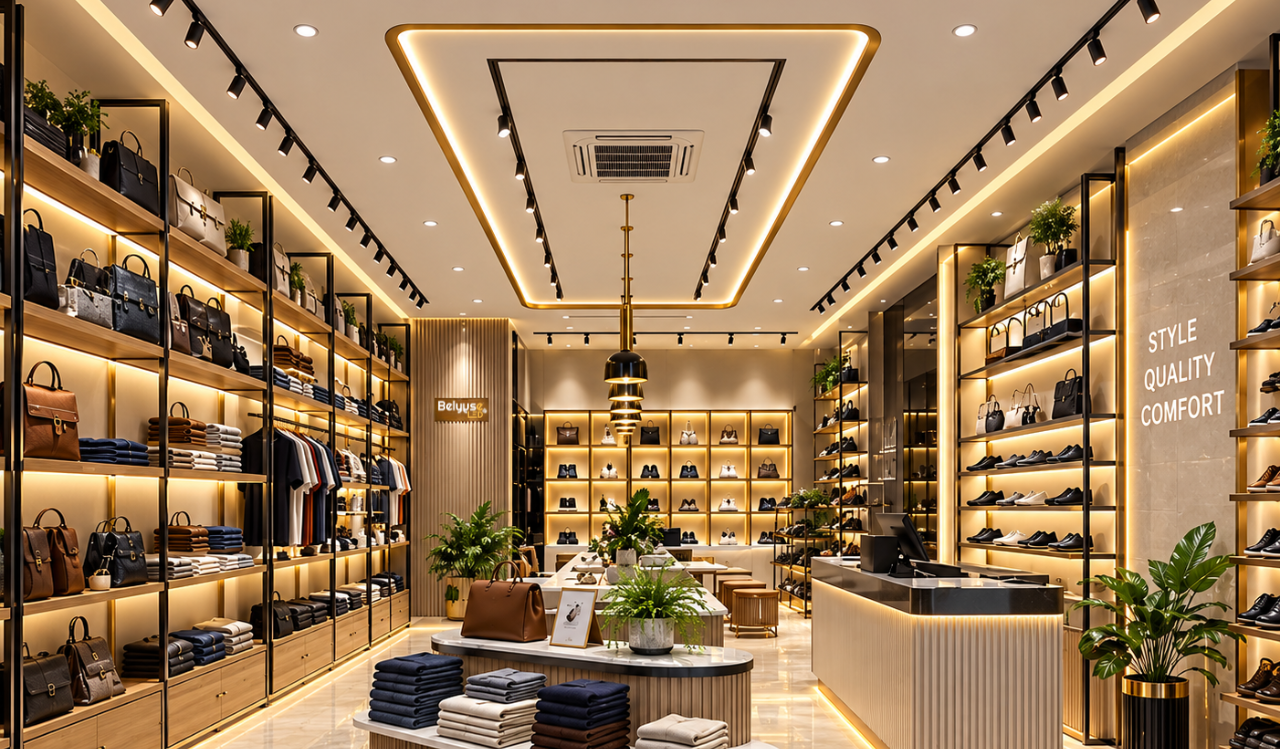
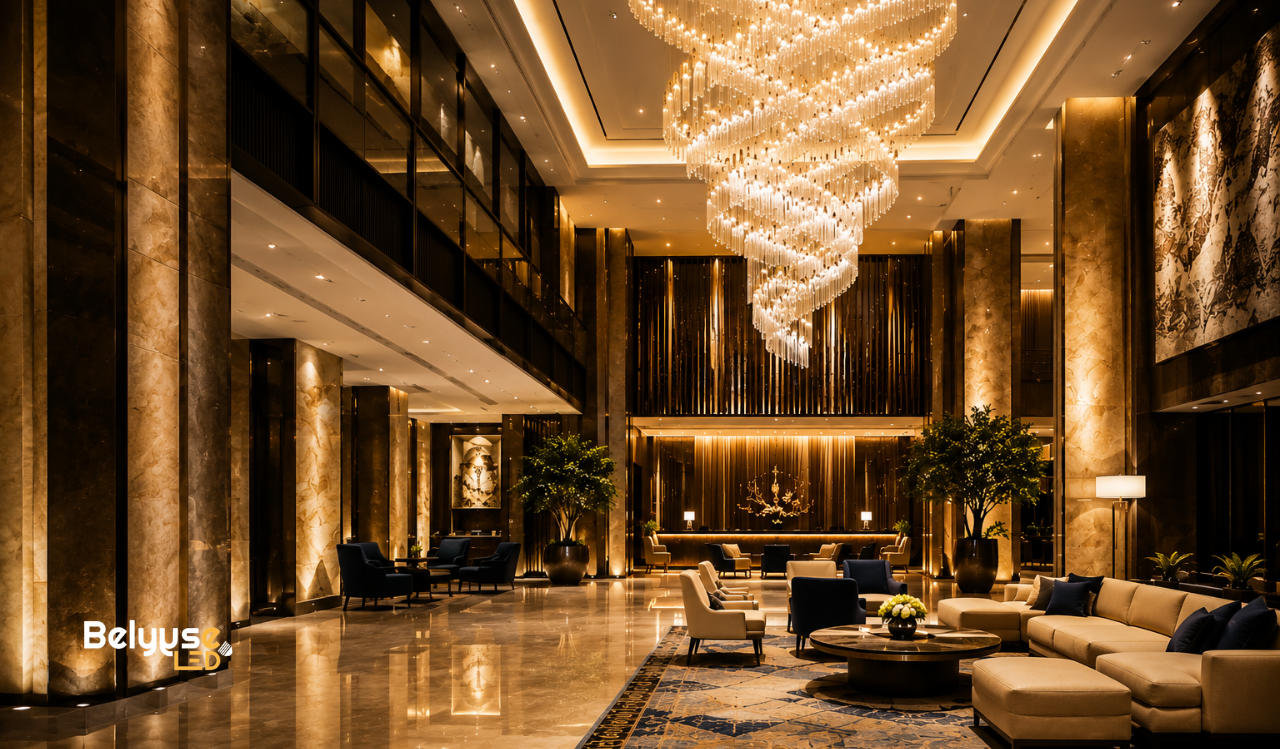
A combination of decorative lighting, architectural lighting, recessed downlights, wall washers, pendant lights, and chandeliers can create a layered lighting effect.
A statement chandelier above the reception or seating area can become the visual centerpiece, while concealed lighting and focused spotlights can highlight walls, artwork, textures, and architectural details.
The goal is simple: make the guest stop and look.
2. Layered Lighting for a Luxury Feel
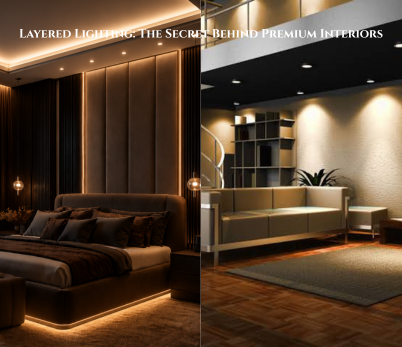
One of the biggest secrets of premium hotel interiors is layered lighting design.
Instead of depending on a single light source, professional lighting designers combine three major types:
Ambient Lighting
Provides general illumination throughout the space.
Examples include:
- Downlights
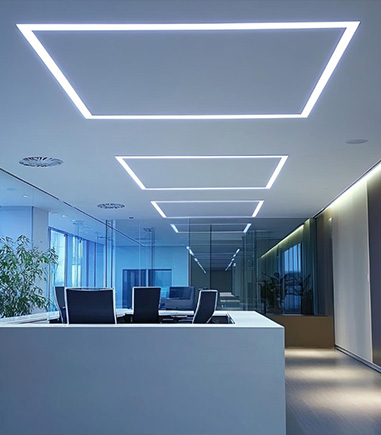
- Panel lights
- Cove lighting
- Linear lights
Accent Lighting
Used to highlight specific elements such as artwork, sculptures, furniture, textures, or architectural features.
Examples include:
- COB spotlights
- Track lights
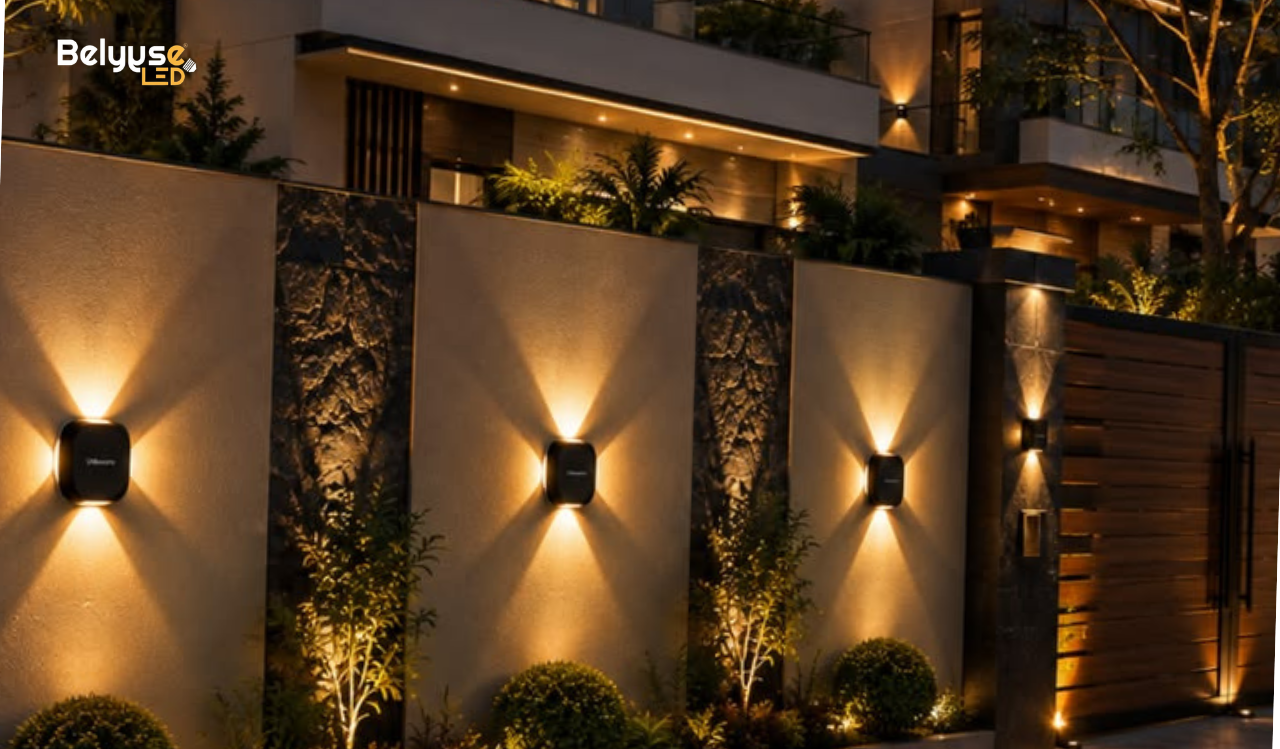
- Wall washers
- Adjustable spotlights
Decorative Lighting
Adds personality and visual drama.
Examples include:
- Chandeliers
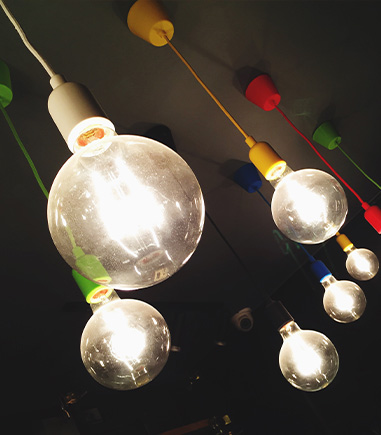
- Pendant lights
- Designer lamps
- Bespoke lighting installations
When these layers work together, the result is a more luxurious, comfortable, and visually dynamic environment.
3. Hotel Room Lighting: Comfort Meets Function
Hotel rooms require a completely different approach.
Guests want a space that feels relaxing after travelling, but the lighting must also be functional.
A good hotel room lighting design can combine:
- Warm bedside lighting
- Cove lighting
- Reading lights
- Wardrobe lighting
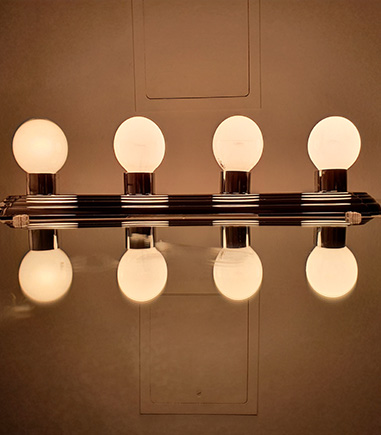
- Bathroom vanity lighting
- Recessed downlights
- Decorative pendants
Using warm colour temperatures such as 2700K–3000K can create a comfortable and relaxing atmosphere.
Meanwhile, focused lighting can provide enough visibility for reading, dressing, working, or using the bathroom without making the room feel excessively bright.
4. Restaurant and Dining Area Lighting
Lighting can influence how guests experience food.
A restaurant with harsh, uniform lighting may feel cold, while carefully designed warm lighting can create a sophisticated and intimate atmosphere.
Restaurant lighting design for hotels should focus on:
- Table illumination
- Food presentation
- Wall textures
- Decorative elements
- Ceiling design
- Circulation areas
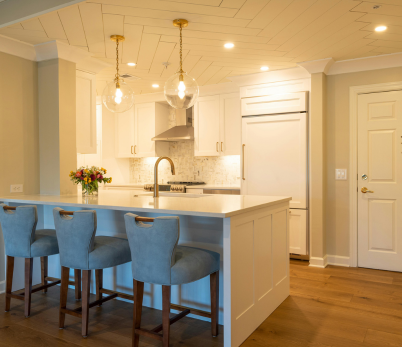
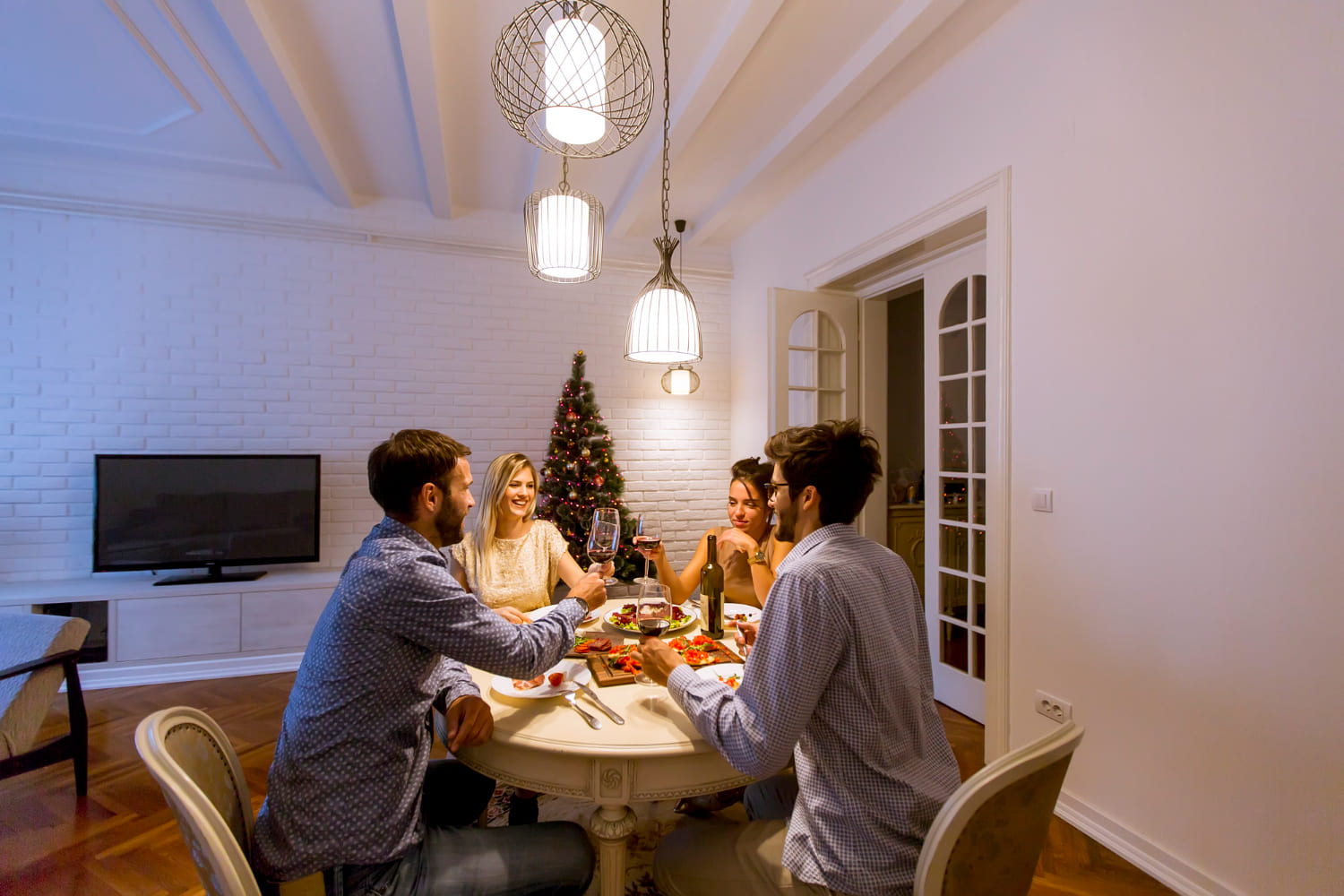
Pendant lights above dining tables, concealed linear lighting, accent spotlights, and decorative chandeliers can create an elegant dining environment.
The right lighting also makes food and interiors look more attractive in photographs—which is increasingly important for hotels and restaurants relying on social media visibility.
5. Corridor Lighting: Don't Ignore the Transition Spaces
Corridors are often overlooked during interior planning.
But they connect every important part of a hotel.
Instead of simply installing rows of identical lights, designers can use architectural corridor lighting to create rhythm and direction.
Linear lights, wall washers, recessed fixtures, and indirect lighting can make corridors feel more sophisticated while providing comfortable illumination.
The lighting should guide guests naturally without creating glare.
6. Highlight Architecture and Interior Materials
Premium materials deserve premium lighting.
Natural stone, marble, wood, textured walls, artwork, decorative panels, and architectural surfaces can look completely different under different lighting conditions.
This is where architectural lighting design becomes essential.
For example:
- Wall washing can reveal textures.
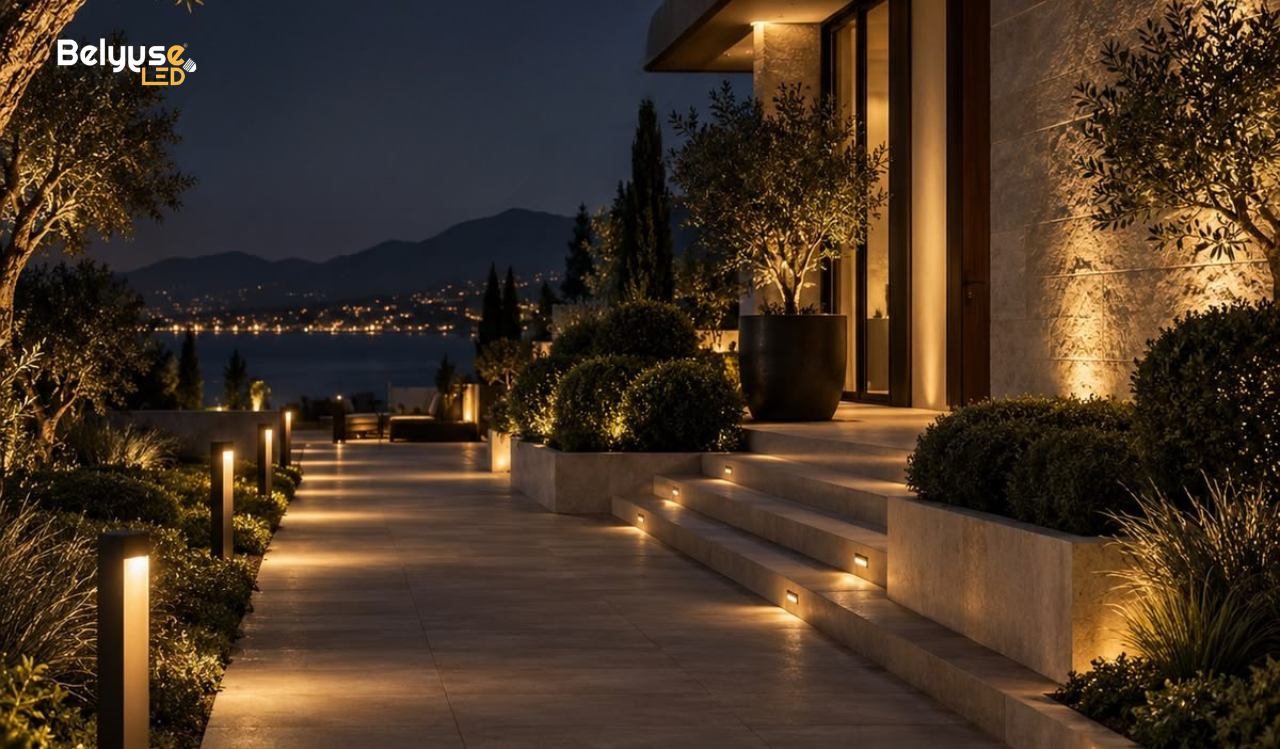
- Grazing can emphasize stone surfaces.
- Narrow-beam spotlights can highlight artwork.
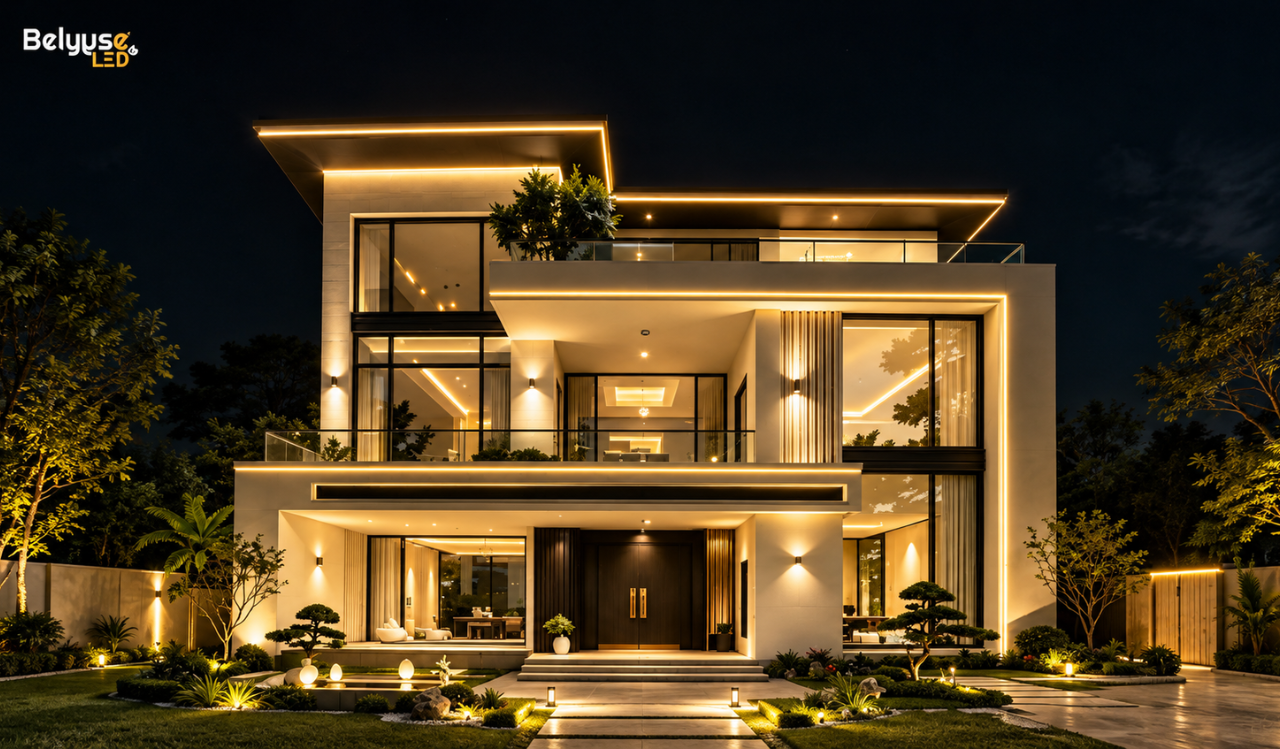
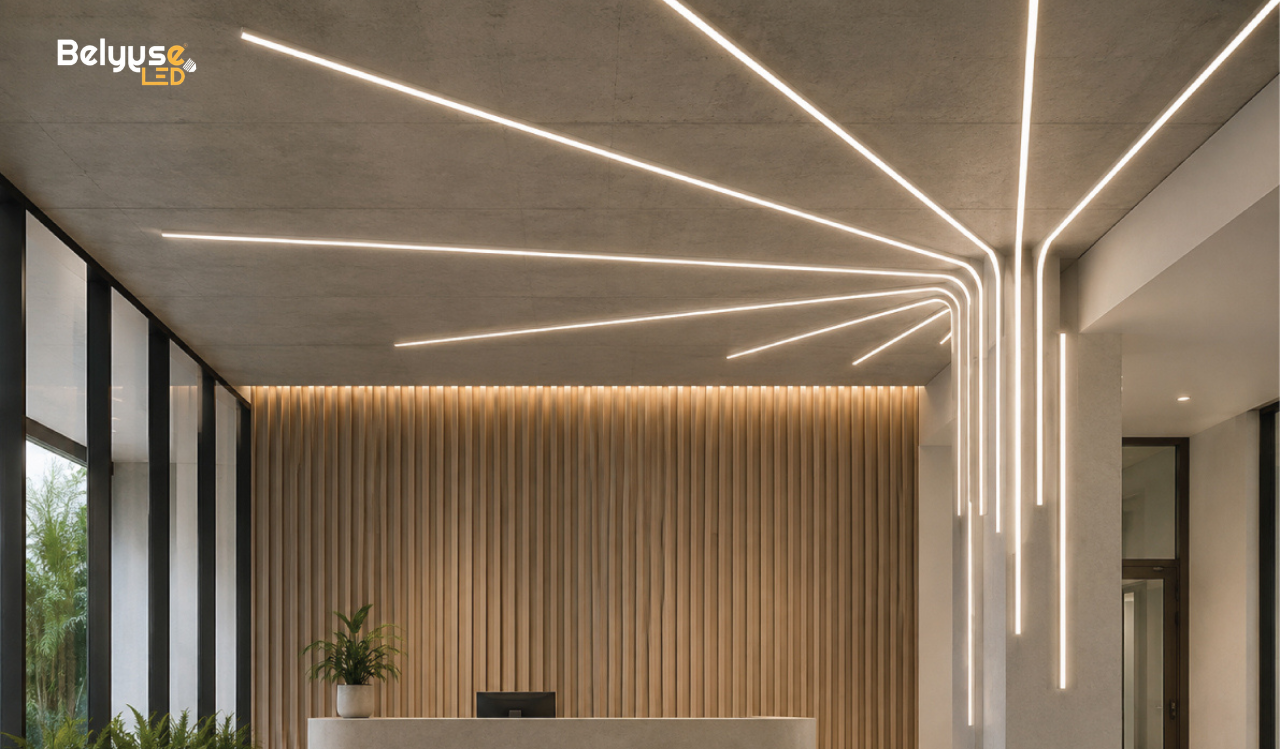
- Linear lighting can emphasize architectural lines.
- Cove lighting can create depth in ceilings.
- Adjustable spotlights can direct attention toward specific features.
For architects and interior designers, lighting should therefore be treated as part of the architecture—not simply as an electrical requirement.
7. Choose the Right Colour Temperature
Colour temperature has a major impact on the atmosphere of a hotel.
2700K – Warm & Intimate
Ideal for:
- Luxury bedrooms
- Fine dining
- Lounges
- Relaxation areas
3000K – Warm & Premium
Ideal for:
- Hotel lobbies
- Guest rooms
- Restaurants
- Corridors
- Reception areas
4000K – Clean & Contemporary
Suitable for:
- Workspaces
- Service areas
- Certain commercial zones
- Functional areas
The right CCT selection should always depend on the purpose of the space and the desired mood.
8. CRI Matters More Than You Think
Brightness isn't everything.
Colour Rendering Index (CRI) determines how accurately a light source reveals the colours of objects and materials.
High-CRI lighting can make:
- Skin tones look more natural
- Artwork appear more accurate
- Fabrics look richer
- Food look more appealing
- Interior materials appear closer to their true colours
For premium hospitality projects, high CRI LED lighting can significantly improve the visual quality of the environment.
9. Energy-Efficient Hotel Lighting
Luxury does not have to mean high energy consumption.
Modern LED lighting solutions allow hotels to achieve sophisticated lighting effects while maintaining energy efficiency.
Features such as:
- High-efficiency LED fixtures
- Dimming systems
- Occupancy sensors
- Daylight sensors
- Smart lighting controls
- Automated lighting schedules
can help reduce unnecessary energy consumption.
For constructors and hotel developers, energy-efficient lighting can contribute to lower operating costs over the long term.
10. Smart Lighting and Automation
Modern hotels are increasingly moving toward smart lighting systems.
Lighting automation allows different scenes to be created for different situations.
For example:
Morning: Brighter and fresher lighting
Evening: Warm and relaxing lighting
Night: Low-level ambient lighting
Events: Dynamic decorative lighting
Smart controls can also allow hotel staff to manage multiple zones efficiently.
This creates a more flexible and premium guest experience.
11. Don't Design Lighting at the End
One of the biggest mistakes in construction projects is treating lighting as the final step.
By the time lighting is considered, ceiling layouts, furniture positions, false ceilings, wall finishes, and electrical points may already be finalized.
This can limit the lighting possibilities.
A better approach is to integrate lighting design with architectural and interior planning from the beginning.
For architects, interior designers, and constructors, early coordination can help determine:
- Fixture positions
- Beam angles
- Cut-outs
- Driver locations
- Ceiling details
- Electrical requirements
- Lighting scenes
- Installation requirements
This makes the final result cleaner and more professional.
12. Visualize Before You Install
One of the most effective ways to plan a hotel lighting project is through 3D lighting simulation.
A 3D lighting model allows designers and clients to visualize how different fixtures, beam angles, colour temperatures, and lighting effects will look before installation.
It can help answer questions such as:
Will the wall be bright enough?
Will the chandelier become the focal point?
Is the lighting too harsh?
Will the marble look premium?
Are there unwanted dark spots?
This reduces guesswork and can help prevent costly changes during installation.
Hotel Lighting Is More Than Illumination
The best hotel lighting design is not about putting more lights into a space.
It is about putting the right light in the right place.
A luxury hotel may have beautiful furniture, expensive flooring, stunning ceilings, and premium finishes—but without the right lighting, much of that investment can remain unnoticed.
Final Thought
Luxury is not only what guests see. It is what they feel.
And lighting plays a major role in creating that feeling.
For architects, interior designers, constructors, residential developers, and property owners, investing in professional lighting design can turn a beautiful space into an unforgettable one.
Because when architecture creates the space, light creates the experience.