

Gate Pillar Lights: How to Choose the Right Design for Your Home Entrance
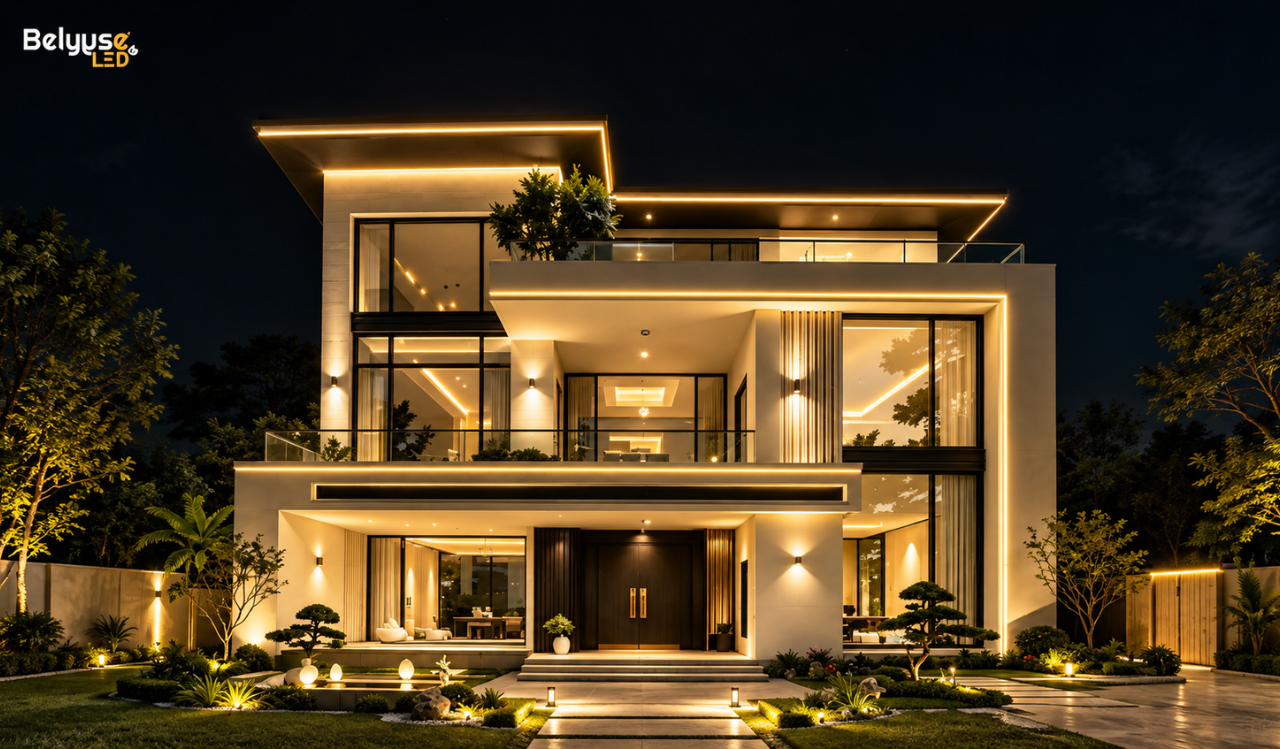
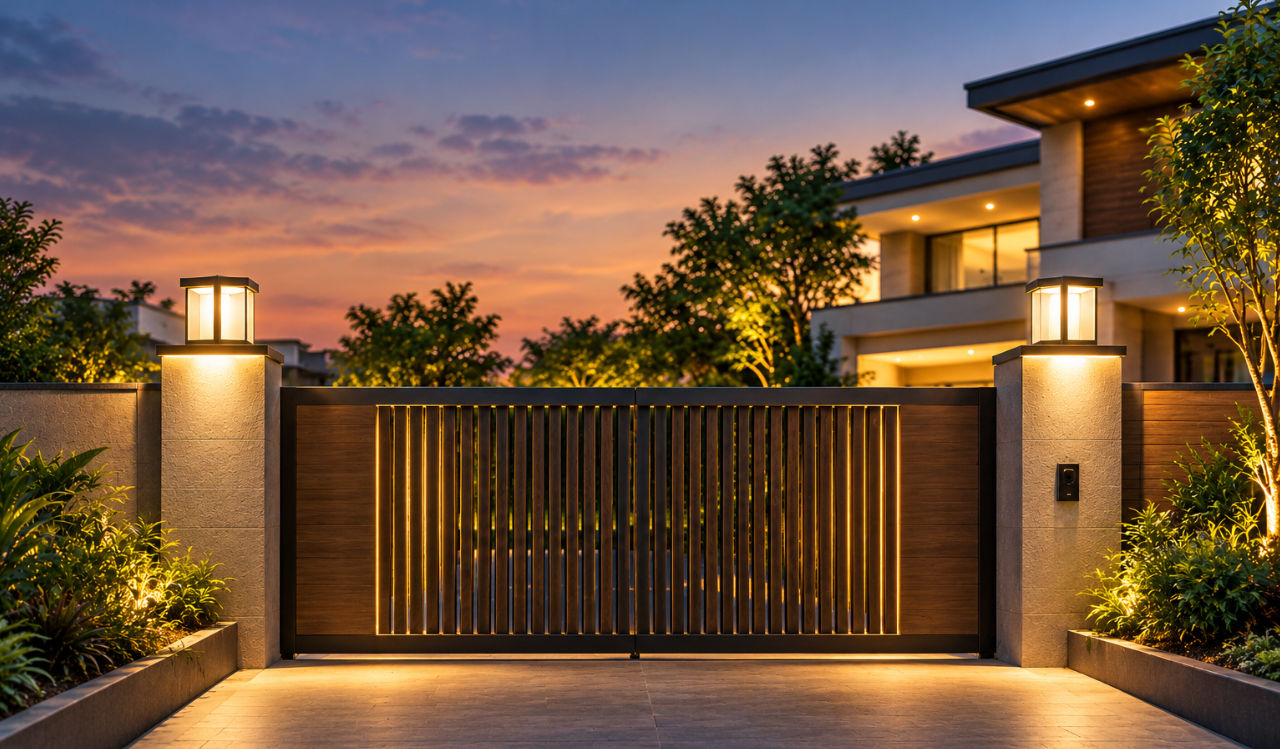
Your gate is the first thing guests see and the last thing you pass before stepping inside. A pair of well-chosen pillar lights does more than brighten the driveway after dark. It sets the tone for the whole home, makes the entrance safer, and adds a quiet layer of security.
Choosing the right design takes more than picking something that looks nice in a showroom. Here’s how to get it right, whether you’re building new or upgrading an older gate.
1. Start With Your Home’s Architecture
The best gate pillar lights look like they belong to the house.
- Modern and minimalist homes suit clean geometric shapes: cuboid, cylindrical, or flat-top fixtures in matte black, white, or brushed metal.
- Traditional and heritage homes pair well with lantern-style lights, ornate detailing, and warm antique finishes like bronze or aged brass.
- Contemporary Indian homes, which often blend modern lines with decorative elements, look great with fixtures that have subtle texture or jali-inspired patterns.
If you’re unsure, echo one element you already have, such as your door handle finish, window frames, or name plate. Repeating a material or colour ties the entrance together.
2. Pick the Right Size and Proportion
A common mistake is buying a light that’s too small for the pillar. A tiny fixture on a broad pillar looks lost, while an oversized one looks crowded.
A simple rule of thumb: the light’s base should cover roughly two-thirds to three-quarters of the pillar’s top surface. Measure the cap before you order, and check the mounting type, since some lights sit on top while others mount on the face of the pillar.
3. Choose the Light Direction and Spread
Not every gate light does the same job.
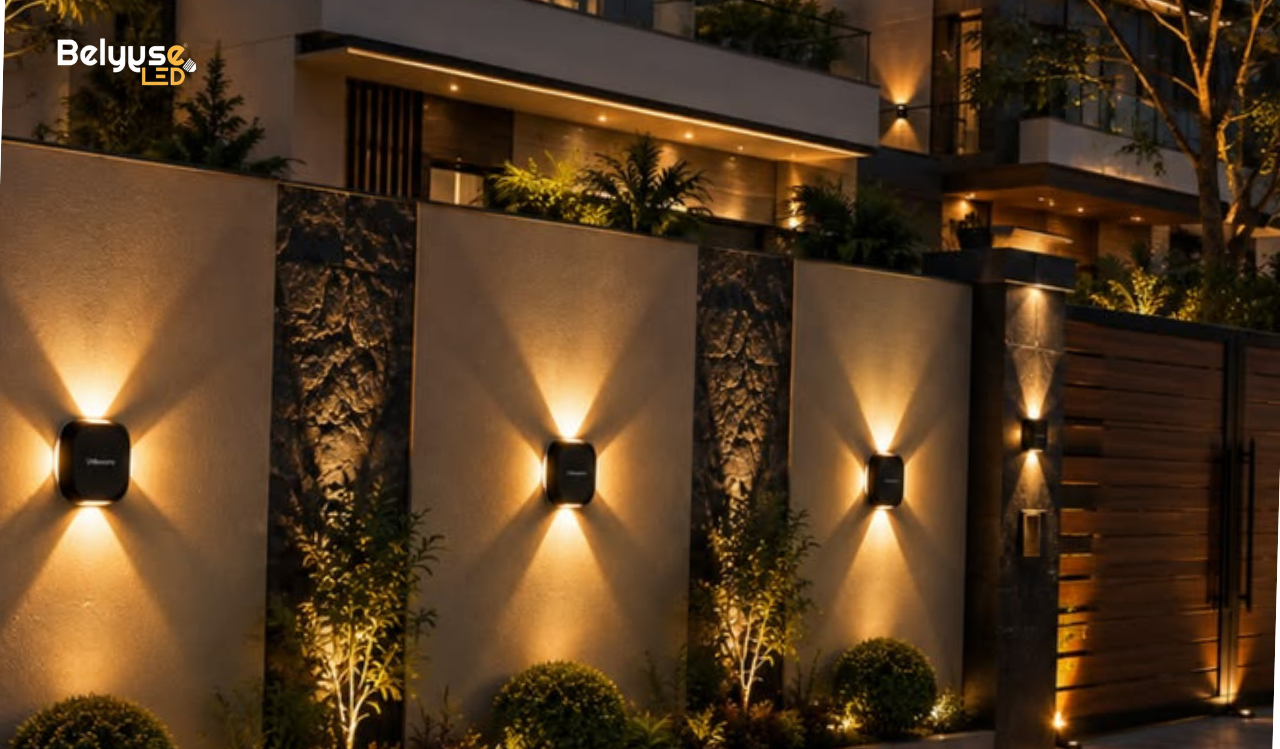
- Up-and-down lights create a dramatic glow on the pillar surface and are great for textured stone or cladding.
- All-around (diffused) lights give soft, even illumination and work well for traditional lantern shapes.
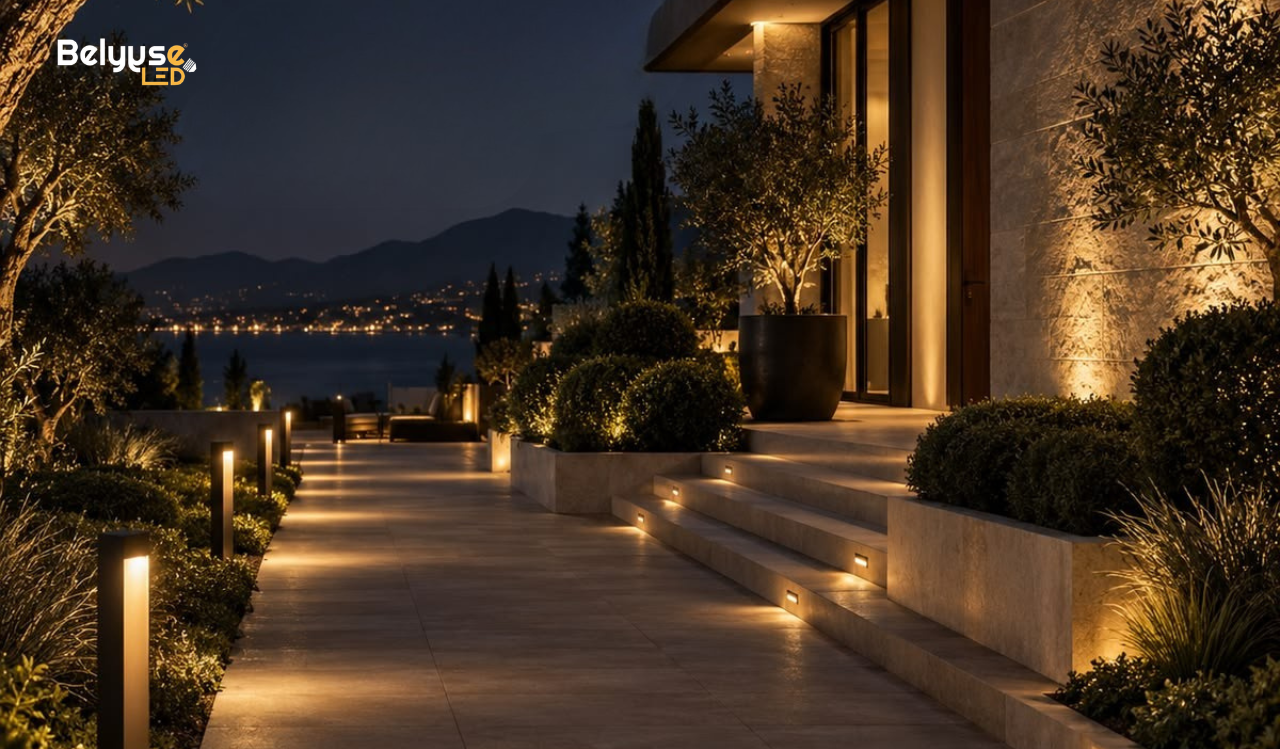
- Downward-focused lights light the path and gate latch, which makes them the most practical option for security and safety.
Think about what you want from the light: a welcoming glow, a statement feature, or functional visibility. Many homeowners go for a design that does a bit of all three.
4. Consider Material and Weather Resistance
From scorching afternoons to heavy monsoon downpours, your gate lights take a beating all year round, so build quality deserves as much attention as looks.
- Die-cast aluminium is lightweight, resists rust, and is a popular choice for outdoor use.
- Stainless steel is sturdy and long-lasting, especially in humid or coastal areas.
- Brass and copper age beautifully but need more care.
- Glass or polycarbonate diffusers protect the bulb and shape the light. Polycarbonate is more impact-resistant.
Check the IP (Ingress Protection) rating on the packaging, since it tells you how well the fixture will resist water and dust. For exposed gate pillars, IP54 is a sensible minimum, and IP65 gives better protection against heavy rain and dust.
5. Get the Colour Temperature Right
The “colour” of the light changes how your entrance feels.
- Warm white (2700K–3000K) feels cosy and inviting, and flatters stone, wood, and warm paint tones.
- Neutral white (3500K–4000K) is crisp and balanced, a good middle ground.
- Cool white (5000K+) is bright and clinical. It’s better for security-focused areas than for a welcoming entrance.
For most homes, warm white is the safest choice for gate pillars. It looks elegant and avoids the harsh glare that can bother neighbours and passing drivers.
6. Go LED, and Think About Power
LED gate lights use far less electricity, last for years, and rarely need replacing. Since entrance lights often stay on all night, the savings add up.
You can also choose between:
- Mains-powered lights, which are consistently bright and suit permanent installations.
- Solar gate lights, which are easy to install with no wiring but depend on good sunlight and may dim on cloudy days.
Adding a dusk-to-dawn sensor or timer means the lights switch on and off by themselves, so you never have to think about them.
7. Don’t Forget Installation and Wiring
Plan the wiring before the pillars are finished. Running a cable through the pillar during construction is far easier than breaking into it later. If the pillars already exist, surface-mounted conduits or solar options can save you the trouble.
Also make sure the fixture is properly sealed at the base so water can’t seep into the wiring.
8. Balance Style With Security
Good entrance lighting deters unwanted visitors and helps you see who’s at the gate. Place lights so they illuminate the gate, the lock, and the approach path, avoiding dark pockets and glare directly into the eyes of anyone leaving or arriving.
Quick Checklist Before You Buy
- Does the style match your home’s architecture?
- Is the size in proportion to the pillar?
- Is it weatherproof, with a suitable IP rating?
- Is the colour temperature warm and welcoming?
- Is it energy-efficient and easy to maintain?
- Is the wiring plan sorted before installation?
Final Thoughts
The right gate pillar lights turn an ordinary entrance into a memorable one. When you balance design, durability, and practical lighting needs, you end up with a fixture that looks good in daylight, glows beautifully at night, and holds up season after season.
Ready to find the perfect fit? Explore the range at belyyseled and choose gate pillar lights that give your home the entrance it deserves.