

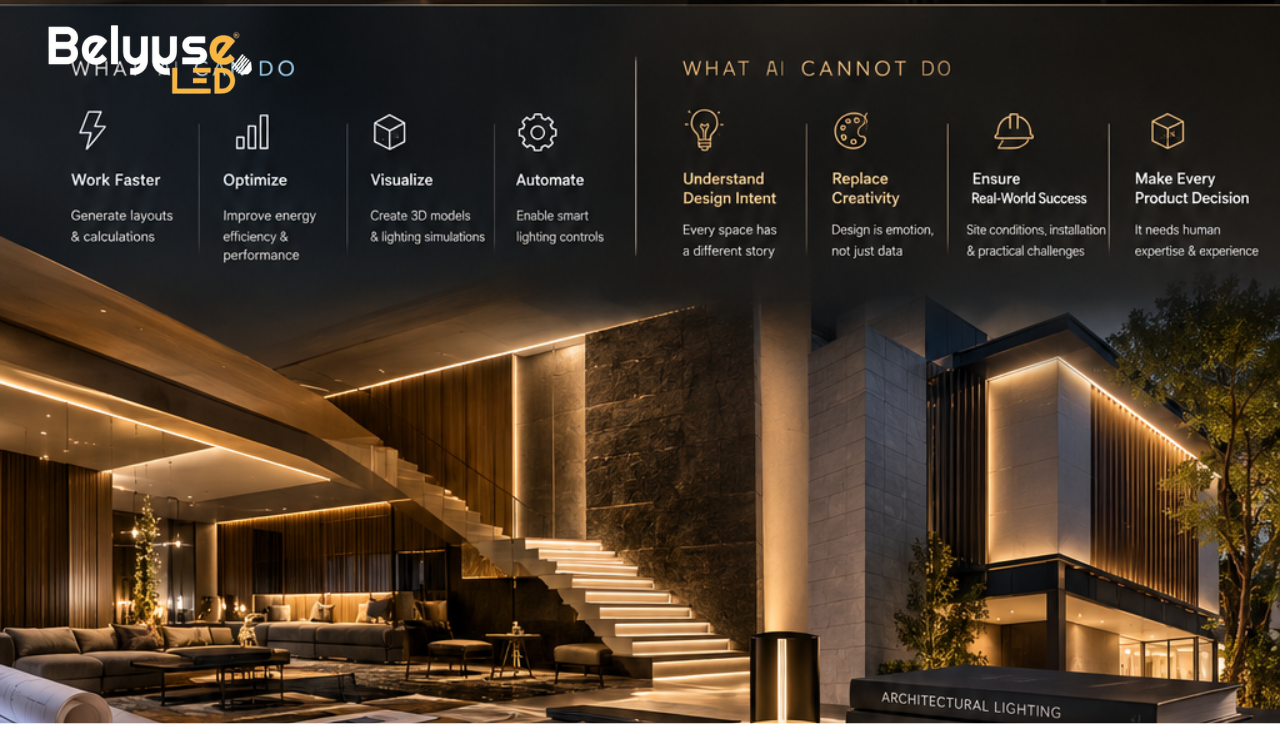
AI in Lighting Design: What It Can and Cannot Do
From AI lighting design software and automated lighting calculations to smart controls and 3D visualization, AI is helping lighting professionals work faster and make more data-driven decisions. Recent research shows that AI can support luminaire layouts, dimming strategies, lighting performance prediction, and energy optimization.
But can AI completely replace a lighting designer?
Not yet.
AI is a powerful tool, but good lighting design still requires creativity, architectural understanding, technical knowledge, and human judgment. At BelyyseLED, we see AI as a design assistant—not a replacement for the people who understand how light should work within a real space.
What Is AI in Lighting Design?
AI in lighting design means using artificial intelligence, machine learning, image analysis, and automated algorithms to help create, analyze, optimize, or control lighting systems.
Depending on the software or system, AI can help with:
- Lighting layout generation
- Lux and illumination analysis
- 3D lighting visualization
- Energy optimization
- Daylight analysis
- Smart lighting controls
- Occupancy-based lighting
- Colour temperature recommendations
- Lighting calculations
- Fixture placement
- Lighting performance predictions
Modern AI-based lighting platforms can even analyze 3D models and suggest luminaire positions or lighting distributions based on project requirements.
What AI Can Do in Lighting Design
1. Generate Initial Lighting Layouts
One of the biggest advantages of AI lighting design is speed.
AI can analyze a floor plan or 3D model and generate an initial lighting layout based on room dimensions, target illumination, fixture types, and other parameters.
This can help architects and lighting designers explore multiple options quickly instead of creating every variation manually.
However, the generated layout should still be reviewed by a professional before implementation.
2. Support Lighting Calculations
Lighting design involves several technical factors, including:
- Lux levels
- Lumen output
- Beam angles
- Mounting heights
- Spacing
- Uniformity
- Glare
- Colour temperature
- Energy consumption
AI can process large amounts of project data and help identify suitable configurations.
This makes AI-powered lighting optimization particularly useful for large commercial buildings, offices, hotels, retail spaces, and outdoor projects.
3. Improve Energy Efficiency
AI can help lighting systems respond to real-time conditions such as occupancy, daylight availability, and time of day.
For example, an AI-based smart lighting system can reduce artificial lighting when sufficient daylight is available or adjust lighting according to occupancy. Research into AI-based lighting controls has demonstrated the potential for adaptive dimming and energy savings.
This makes AI particularly valuable for energy-efficient lighting design and smart buildings.
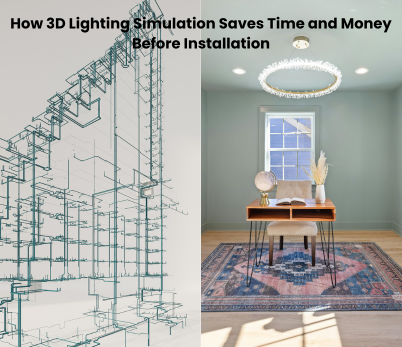
4. Assist With 3D Lighting Visualization
AI can also make it easier to visualize how lighting might look before installation.
For example, designers can explore different:
- Colour temperatures
- Lighting moods
- Fixture positions
- Beam directions
- Brightness levels
- Architectural lighting effects
At BelyyseLED, 3D lighting visualization is an important part of the design process because clients can understand the proposed lighting concept before execution begins.
AI can make this exploration faster, but the final lighting concept should still be based on the architecture and project requirements.
5. Help With Smart Lighting Automation
AI can work together with sensors, IoT devices, and building automation systems.
A smart lighting system can potentially respond to:
Occupancy → Daylight → Time → Activity → Lighting level
This can improve both energy performance and user comfort.
The next generation of lighting is increasingly combining efficient LED technology with intelligent controls and connected systems.
What AI Cannot Do
AI is powerful, but there are important limitations.
1. AI Cannot Fully Understand Design Intent
A lighting design is not simply about achieving a particular lux level.
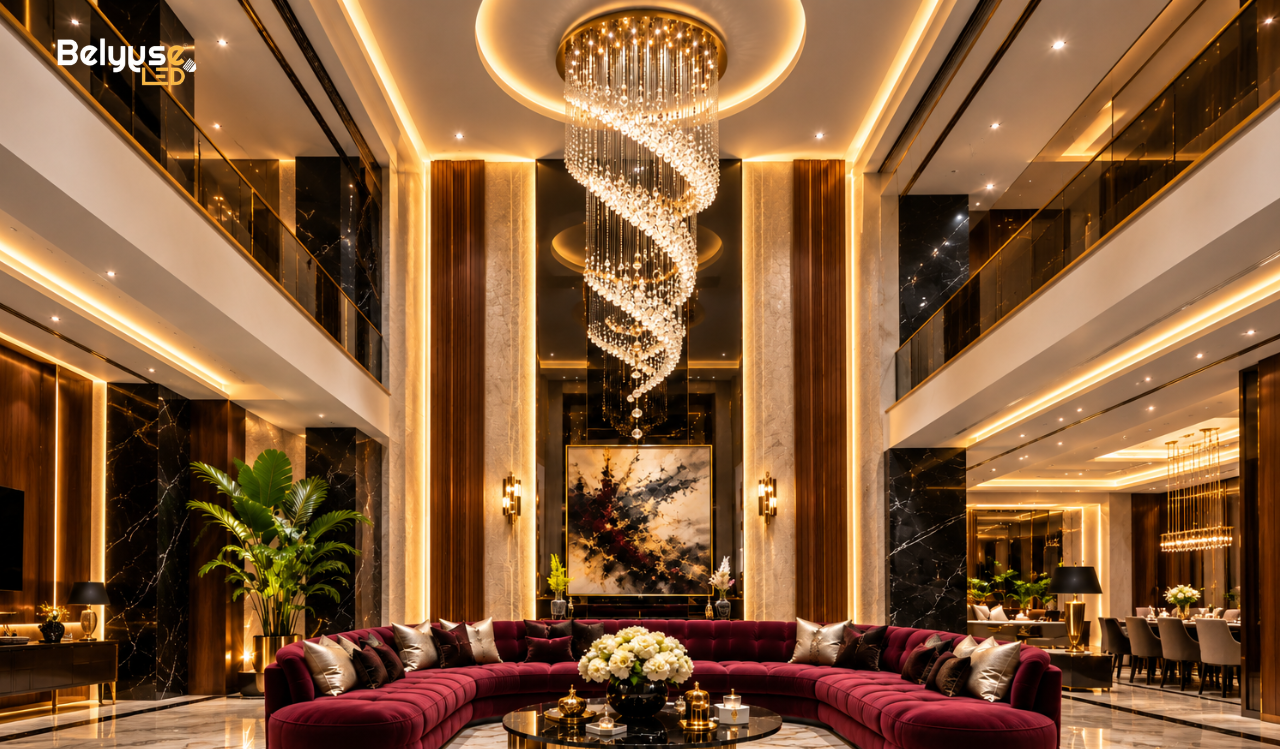
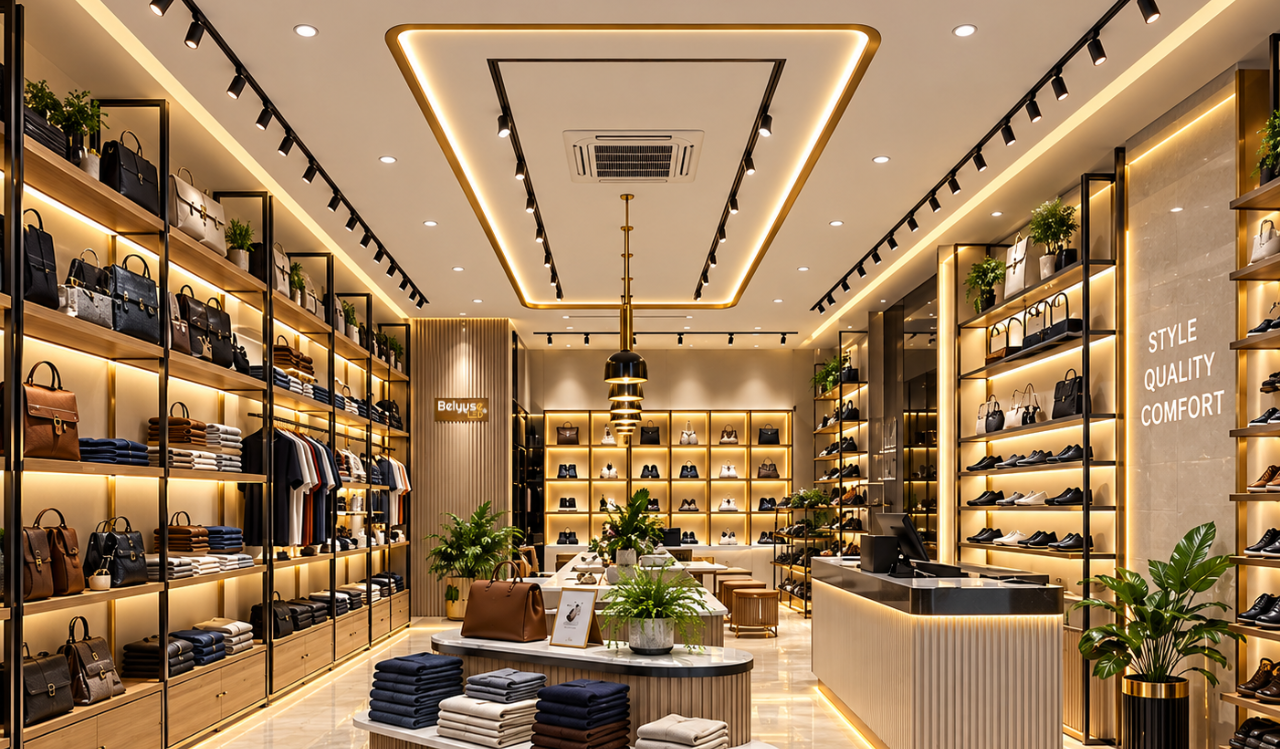
A luxury villa, restaurant, hotel lobby, retail showroom, and office may all require completely different lighting experiences.
The designer must understand the architecture, materials, furniture, textures, brand identity, and emotional experience of the space.
AI can analyze data, but human designers understand why the space should feel a certain way.
2. AI Cannot Replace Human Creativity
Architectural lighting is also about creativity.
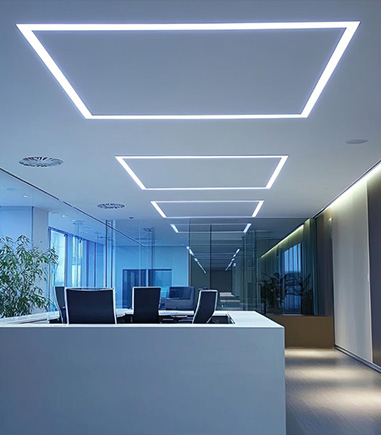
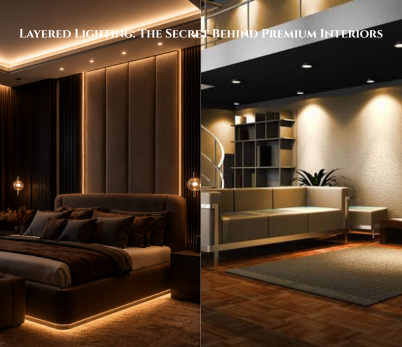
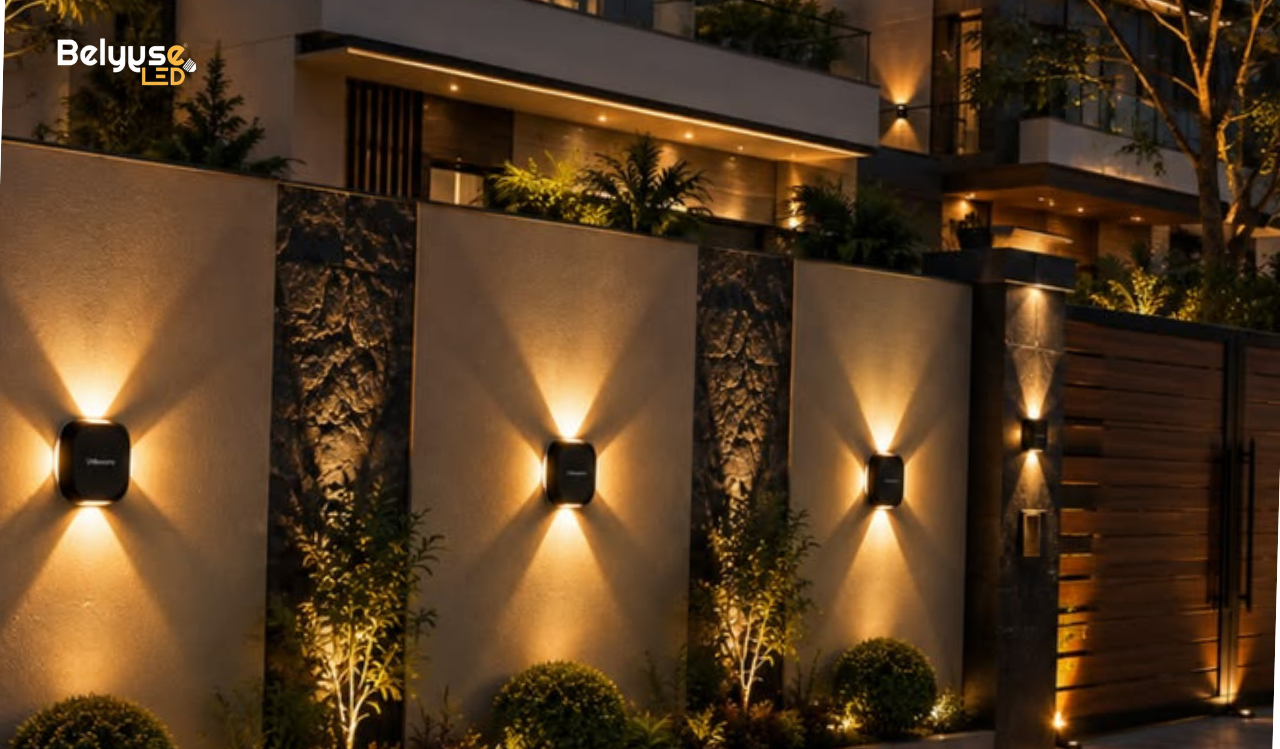
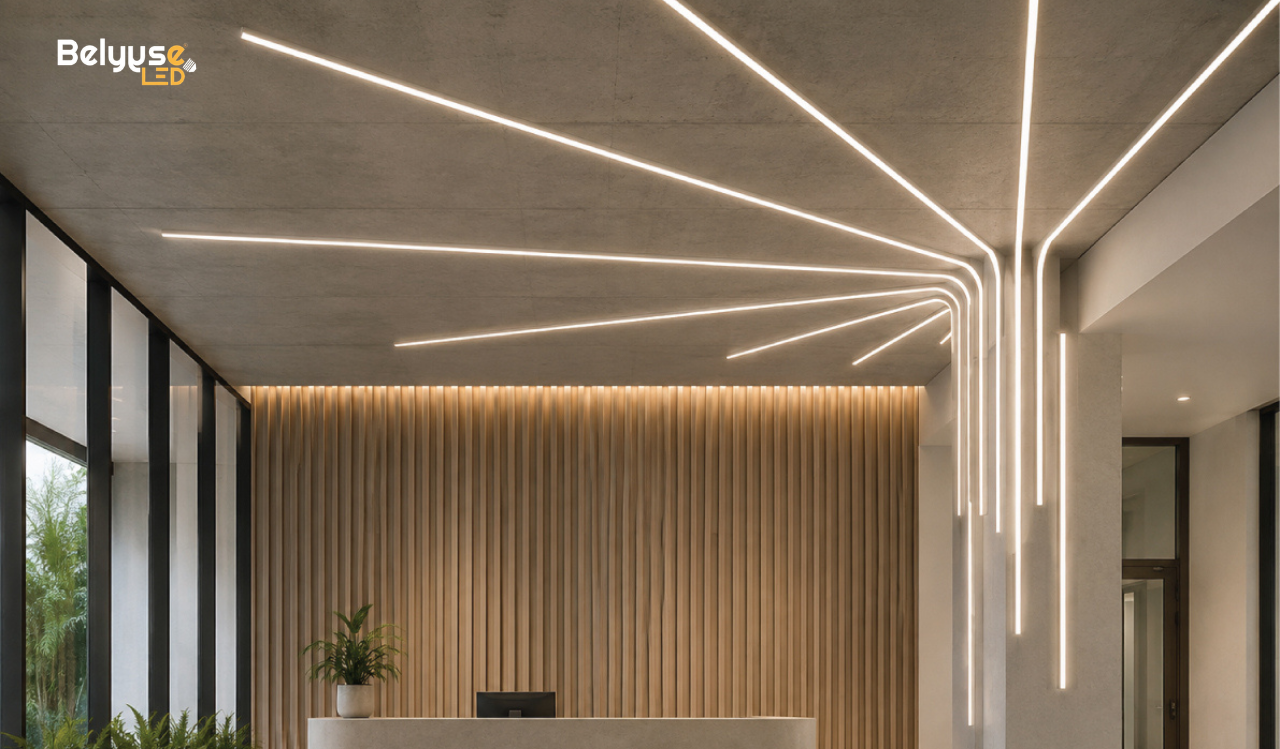
A concealed linear light can emphasize a wall. A wall washer can highlight a texture. A carefully positioned spotlight can turn artwork into a focal point.
These decisions require design thinking—not simply calculations.
AI can suggest possibilities, but the final creative direction comes from the designer.
3. AI Cannot Guarantee Real-World Installation Success
A computer model may look perfect, but the actual site can be very different.
Real projects involve:
- Ceiling conditions
- Structural beams
- Electrical wiring
- Driver locations
- False ceiling depth
- Installation access
- Existing services
- Outdoor weather conditions
- Site measurements
Current AI research also highlights limitations around practical construction requirements, code compliance, architectural feasibility, and user preferences.
This is why site experience and technical lighting knowledge remain essential.
4. AI Cannot Make Every Product Decision
Choosing the right lighting product involves more than selecting wattage.
A professional needs to consider:
- Lumens
- CRI
- CCT
- Beam angle
- Optics
- Glare
- Driver quality
- IP rating
- Installation method
- Lifespan
- Application
- Maintenance
AI can assist with comparisons, but product selection should be validated against actual project conditions.
AI + Human Expertise: The Better Future
The future of lighting design is not AI versus designers.
It is AI + designers.
AI can handle repetitive analysis, calculations, data processing, optimization, and multiple design iterations.
A lighting professional brings architectural understanding, creativity, product knowledge, site experience, and human judgment.
This combination can make the entire process more efficient.
How BelyyseLED Uses Technology in Lighting Design
At BelyyseLED, we believe lighting should be designed—not simply installed.
Our approach combines 3D lighting design, architectural understanding, technical calculations, product selection, and project execution.
AI and digital tools can help us explore ideas faster, but the final lighting solution is developed around the actual project.
Whether it is:
- Residential lighting
- Commercial lighting
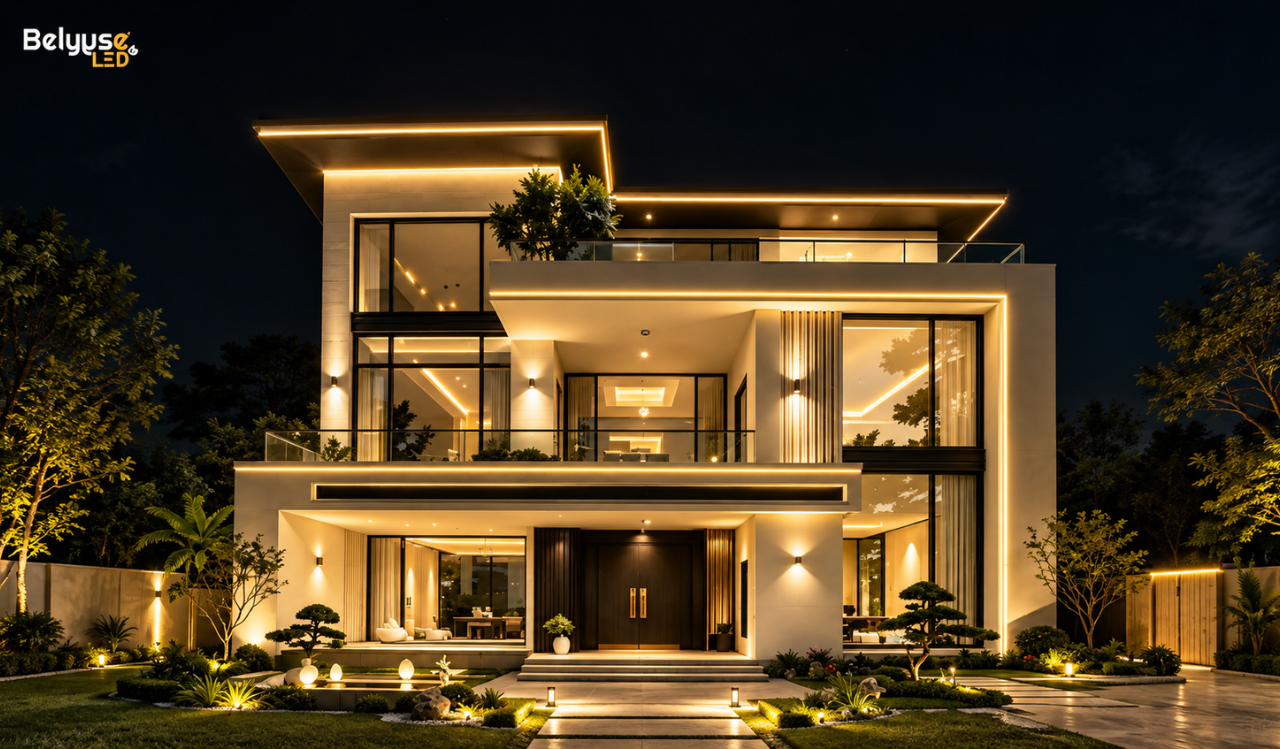
- Facade lighting
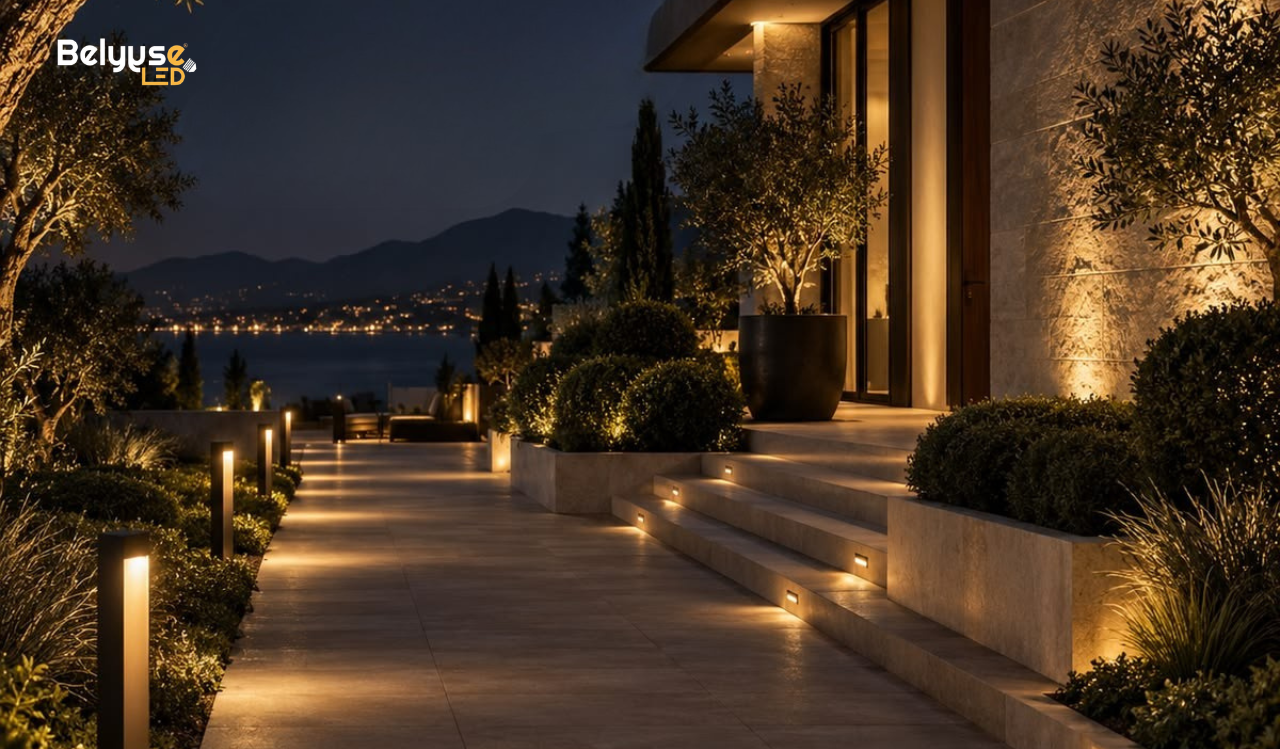
- Landscape lighting
- Hospitality lighting
- Office lighting
- Architectural lighting
- Custom lighting solutions
the objective remains the same:
Create lighting that looks right, performs right, and works in the real world.
The Future of AI in Lighting Design
AI will continue to become more capable.
Future lighting systems may provide faster design optimization, real-time energy management, personalized lighting environments, predictive maintenance, and deeper integration with smart buildings.
Research published in 2025–2026 already points toward AI-assisted lighting systems capable of real-time performance prediction, adaptive control, and automated design support.
But the best lighting designs will still need human direction.
Final Thoughts
AI can calculate. AI can optimize. AI can visualize. AI can automate.
The future belongs to lighting professionals who know how to combine technology with design thinking.
At BelyyseLED, we believe the goal is not simply to use more technology.
It is to use technology to create better lighting solutions.
BelyyseLED — Illuminate Smarter. Design Better.